3D Printing & Additive Manufacturing Lab Setup For Universities

Additive Manufacturing & 3D Printing Lab Setup in India

Indian universities and other higher educational institutions are essential to developing tomorrow’s innovators, researchers, and startup founders. Students and professors have the facility to convert an idea into a functional product with the help of an equipped lab. Technologies enable practical hands-on learning, conducting in-depth research and analyzing real-world problems in engineering, medical and design etc. These facilities also enable institutions to set up solid incubation centers on campus for startups to commercialize their ideas. Investment in industrial grade 3D printers and vacuum casting machines can improve academic performance, better research and a stronger industry partnership.

3D printing lab setup services in India supporting education research innovation and advanced manufacturing needs

Quick Enquiry

Reasons

Why Do Institutions Need 3D Printing & Vacuum Casting Machines?

  • 3D printing enables rapid prototyping of parts, models and physical objects

  • Aid learners in connecting theory with practical application

  • Support engineering, design, biomedical, architecture and multidisciplinary projects

  • Promote experimentation while minimizing material waste

  • Create accurate, repeatable small-batch parts from a single master model

  • Evaluate final product designs prior to mass production

  • Create components that possess intricate details and smooth finishes

  • Allow investigation of materials and manufacturing techniques

  • Reduce the gap between classroom learning and industry practices

  • Encourage inventive thinking and industry preparedness in students

3D Printing & Prototyping for Labs & Universities

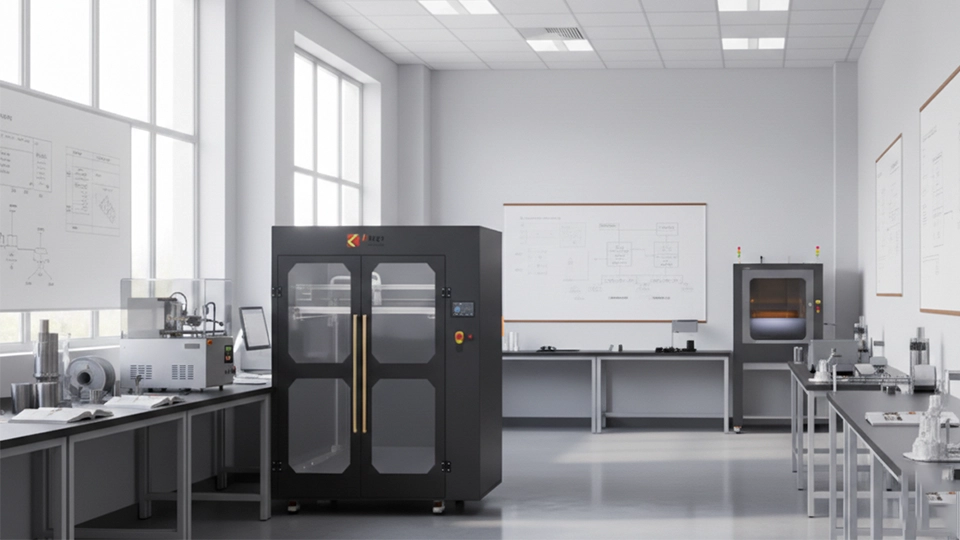
Additive manufacturing labs designed to support prototyping research training and industrial innovation

Additive Manufacturing Labs

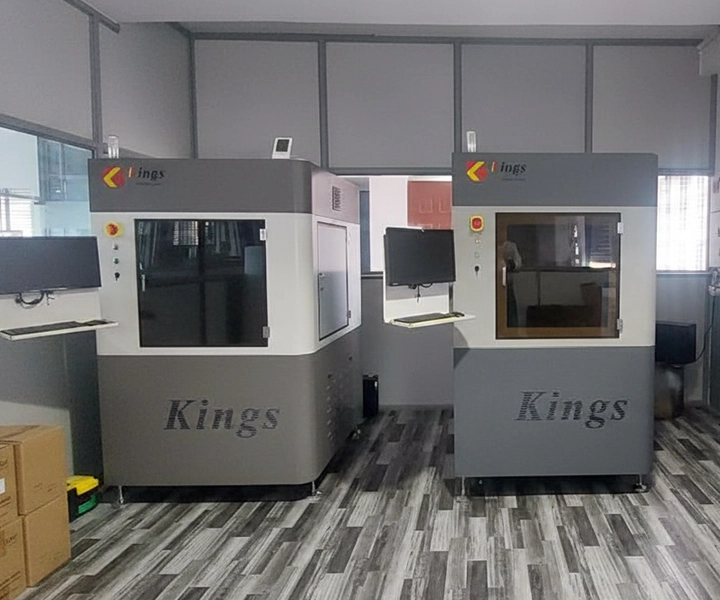
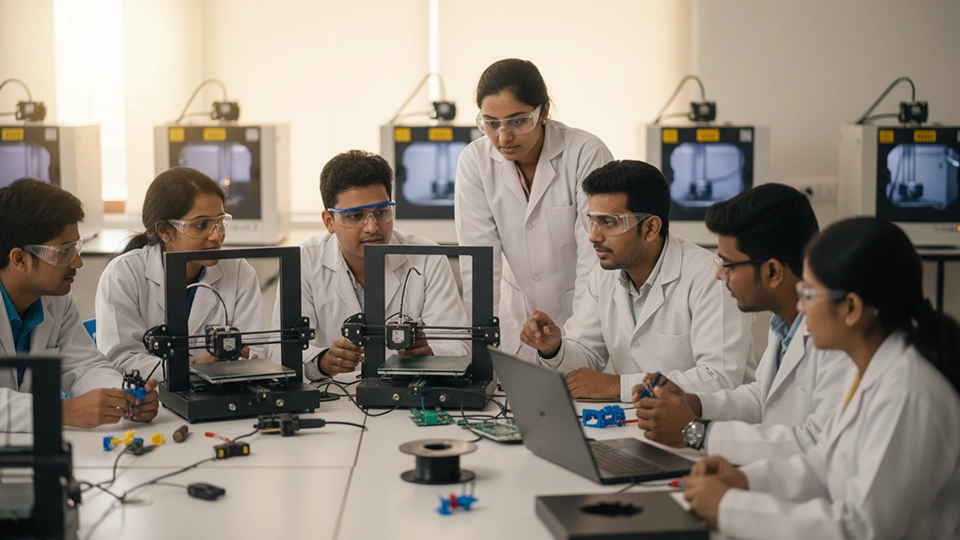
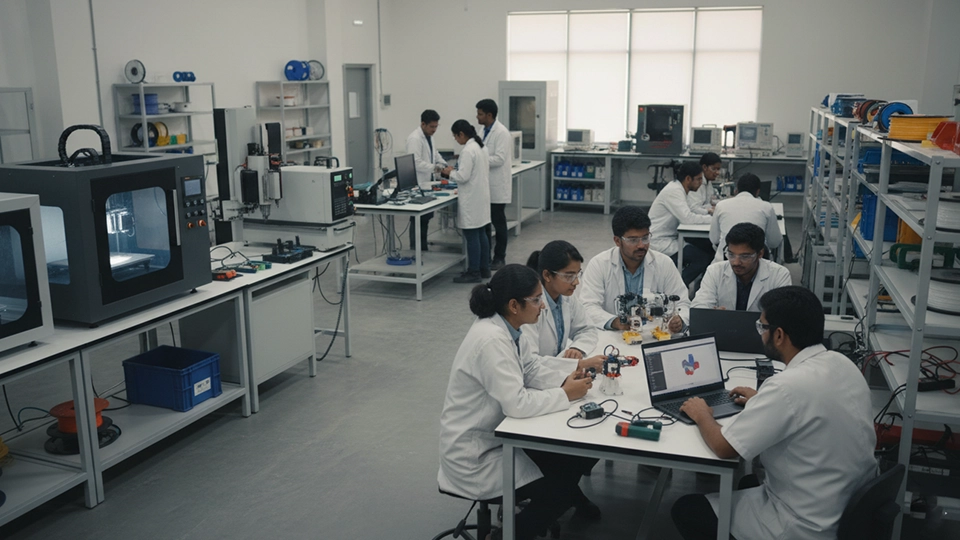
Universities develop additive manufacturing labs to strengthen engineering education, interdisciplinary research, and industry-aligned skill development. These labs use advanced 3D printing and vacuum casting machines to enable hands-on learning, rapid prototyping, and practical experimentation.

Centers of excellence in additive manufacturing promoting innovation research skill development and collaboration

Centers of Excellence for Additive Manufacturing

Various institutions establish centers of excellence for improving research and finding new materials for the purposes of innovation. Advanced 3D printing and vacuum casting machines assist long-term research programs and enable universities to enhance their research and development skills.

Advanced 3D printing labs supporting hands on learning prototyping and applied research programs

3D Printing Labs

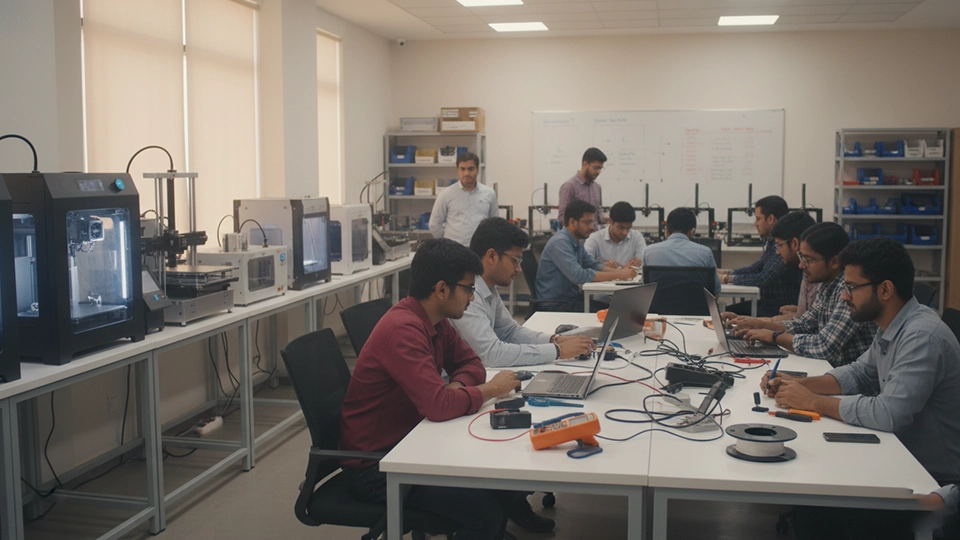
Academic departments and teaching labs introduce 3D printing for hands-on learning, design validation, and rapid prototyping across disciplines. These machines support curriculum delivery and practical learning experiences for students.

Prototype and product development centers enabling rapid design validation testing and market ready solutions

Prototype & Product Development Centers

Universities create centralized facilities where students, faculty, & industry partners collaborate to design, test, & refine functional products. Advanced machines enable rapid prototyping, precise product testing, and iterative design, helping teams bring ideas to life efficiently on campus.

University incubation and startup centers supporting innovation entrepreneurship mentoring and product development

University Incubation & Startup Centers

Campus incubation hubs support startups with rapid prototyping, low-volume production, and market-ready product development. 3D printing and vacuum casting systems enable universities and startups to turn ideas into functional products, accelerate development cycles, and foster innovation on campus.

Academic & Research Enablement

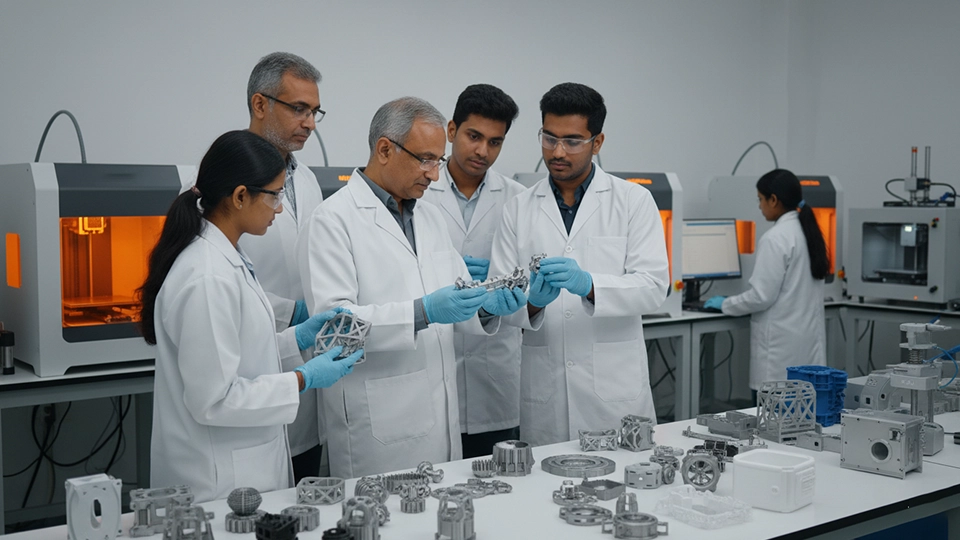
Polymer and metal 3D printing systems give students and faculty hands-on learning opportunities that go beyond theory. They allow learners to experiment with real-world designs, develop practical skills, and engage in interdisciplinary projects. These tools integrate smoothly with the curriculum, enhancing student understanding in engineering, design, and materials science while supporting faculty research with precise, repeatable, and complex prototypes.
Incubation & Startup Support

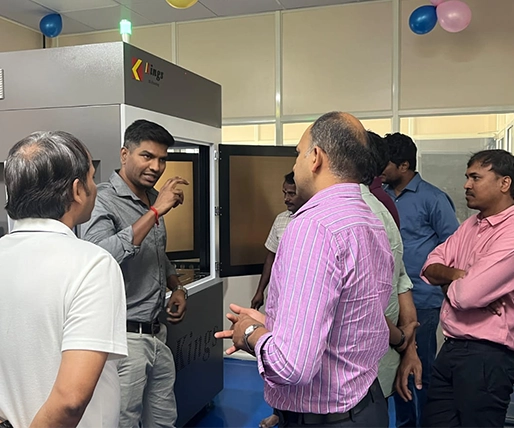
3D printing and vacuum casting accelerate innovation in incubation centers by turning ideas into functional prototypes quickly. Startups can test designs, validate concepts, and produce market-ready products without large-scale investments. These systems support low-volume production, functional testing, and realistic product iterations, helping innovators move from concept to commercialization faster and with confidence.

Technology Segmentation

Universities can leverage different technologies based on their specific needs:

  • Metal 3D Printing : Ideal for advanced research in aerospace, automotive, and materials engineering. It enables the creation of complex metal components and supports high-precision experimentation.
  • Polymer 3D Printing : Perfect for teaching labs and design validation. It allows functional prototyping, iterative testing, and hands-on student engagement.
  • Vacuum Casting & Silicone Molding : Useful for realistic product development, material testing, and small batch production. It helps create accurate replicas and functional models for both academic and startup purposes.

3D Printing Solutions for Education, Research, and Innovation

3D printing solutions supporting academic education research projects innovation and technical skill building

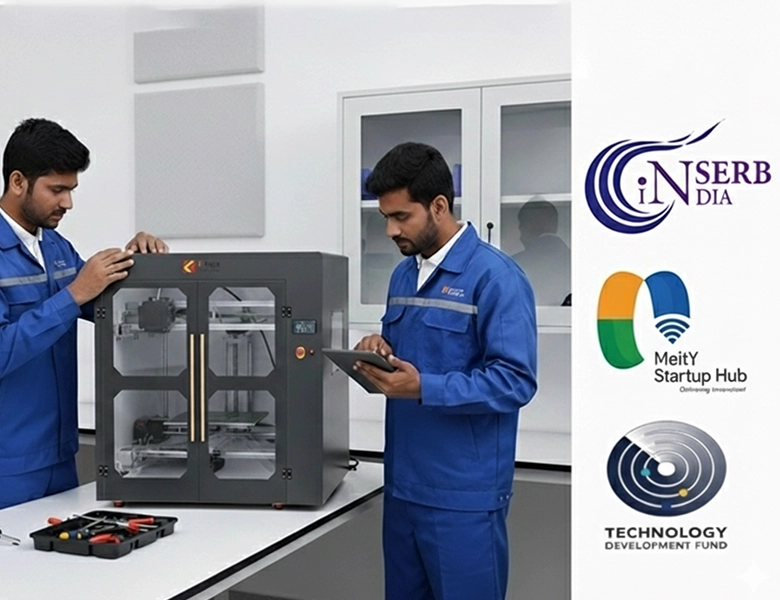
Government & Funding Alignment

Every machine we install is 100% grant-eligible under current schemes (2024–2028).

  • DST-FIST, PURSE, SATHI, SUPRA

  • SERB-CRG / IMPRINT

  • MeitY-TIDE 2.0

  • MoE-IIC Capital Grants

  • Atal Incubation Centre & Established Incubation Centre Funding

  • DRDO-TDF, BIRAC-BIG & LEAP

Government funding alignment supporting innovation labs research programs and institutional development goals
Stronger Academic Outcomes Through Practical Learning

Stronger Academic Outcomes

Students design, print, test, and iterate real parts every week. They graduate with portfolios full of functional prototypes and DfAM skills that companies like Tata, Mahindra, and Siemens hire on day one.

Research Driven Innovation and Technology Development

Higher Research Output & Industry Engagement

Faculty publish in Acta Materialia, Additive Manufacturing Letters, and Scopus Q1 journals while running DRDO, ISRO, and GE projects on campus metal printers that deliver flight-qualified parts.

Incubation Success for Startups and Institutions

Scalable Startup & Incubation Success

Incubated companies move from idea to revenue in 12–18 months using 24/7 lab access that produces investor-ready vacuum-cast units and metal prototypes for defence and medical markets.

Building Strong Institutional Reputation Through Innovation

Improved Institutional Reputations

Institutions with our labs consistently secure NIRF top-50, ARIIA Rank 1–3, NAAC A++, IIC 5-star, and QS subject rankings because tangible innovation output is now the biggest ranking multiplier.

Why Choose Us?

Why Choose Design Roots for 3D Printing Lab Setup in India?

3D printing innovation enabling advanced manufacturing creativity rapid prototyping and future ready solutions
Get In Touch

Build Your Additive Manufacturing Lab With Us

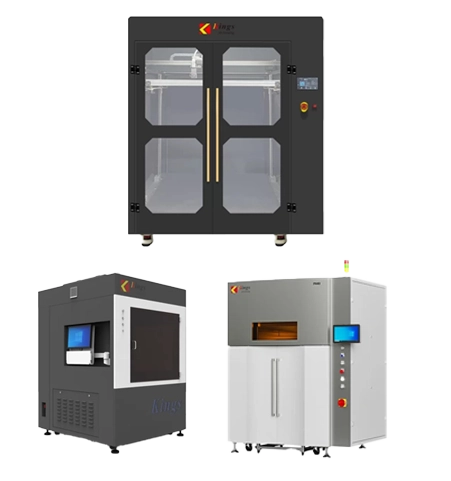
Talk with our team to map curriculum, research, and incubation needs to the right SLA and FDM printers, along with vacuum casting systems.

Industrial 3D printing machines and products supporting precision manufacturing prototyping and production needs
FAQ

Common Questions For University 3D Printing Lab Setup

In most cases, functional prototypes are run on a FDM 3D printer, and high-resolution models on an SLA 3D printer, followed by the introduction of vacuum casting as incubation and pilot requirements increase.

  • FDM printers support early concept models, functional parts, fixtures, jigs, and student projects.
  • SLA printers support high detail prototypes, medical models, precision components, molds, and research samples.

Vacuum casting is used to assist silicone molding of repeatable parts that resemble and feel more like finished production plastics and can be used to aid user trials, pilot batches and investor-ready prototypes in incubation centers.

Sure, a modular additive manufacturing laboratory begins with the basic polymer 3D printing ability and adds additional printers, post-processing, materials, and vacuum castings at the requirements of usage and research.

An effective design of a 3D printing lab comprises specific areas of printing, post-processing, storage and finishing, appropriate power design and ventilation depending on the type of materials that are being used, in particular resin and castings processes.

We facilitate formal training of 3D printing workflow, DfAM, slicing, post-processing and lab SOPs, in that way, faculty, lab in-charges and student teams can operate in the additive manufacturing lab safely and reliably.

Plan cleaning, curing, support removal, finishing, and basic metrology as standard for SLA and FDM output quality, and include silicone mold tooling and casting accessories when you add vacuum casting.

High uptime comes from preventive maintenance, spares planning, operator training, and clear job approval rules; an AMC style support plan helps keep your 3D printing lab stable during peak academic loads.

Yes, we help map the additive manufacturing lab scope to curriculum outcomes, research deliverables, and incubation targets, which strengthens grant eligible justification and supports committee friendly specifications and BoQ documents.

  • Vice Chancellors, Directors, and Deans of Engineering and Research
  • Heads of Mechanical, Manufacturing, Design, and Materials departments
  • Professors and lab in charges
  • Incubation center, Innovation Cell, and IIC heads
  • Procurement and research grant committee members