Automotive 3D Printing Services in India - Parts & Prototypes

Additive Manufacturing for Car Parts in Automotive Industry

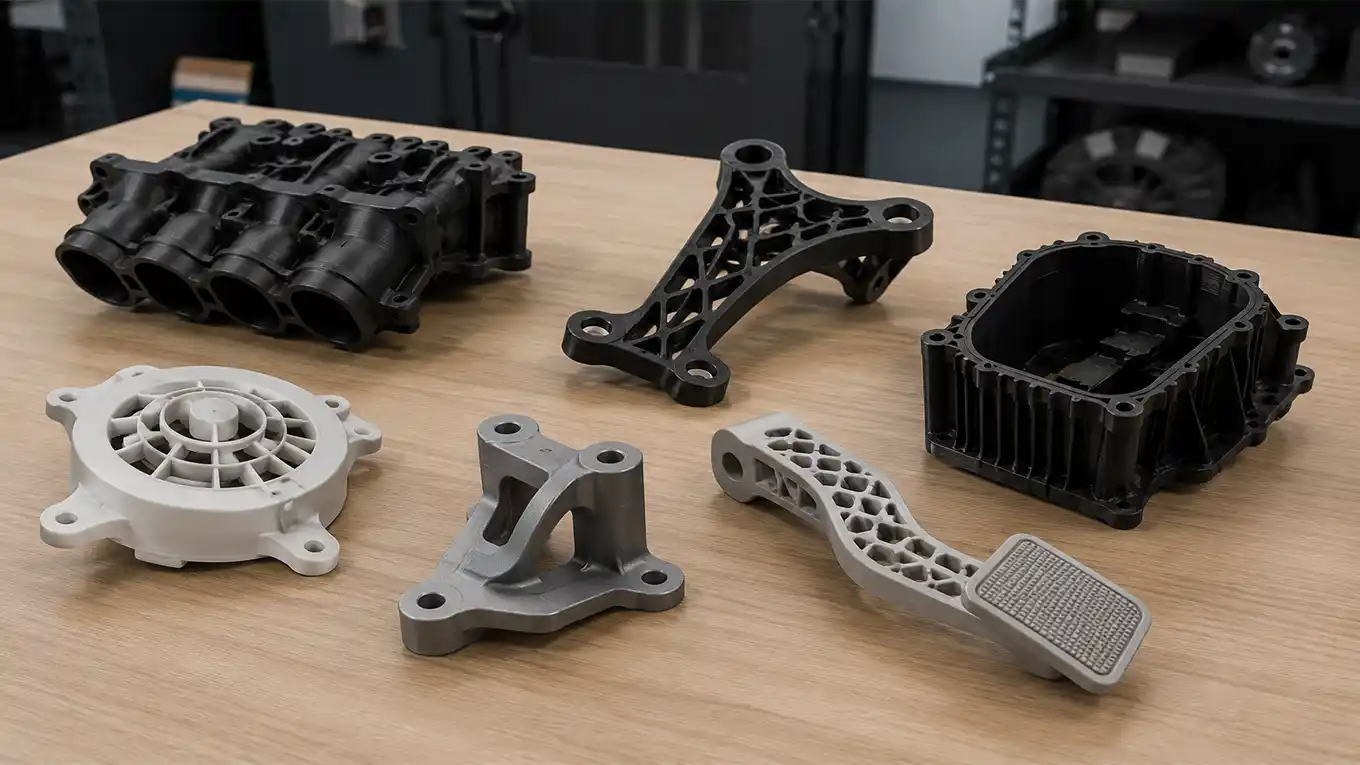
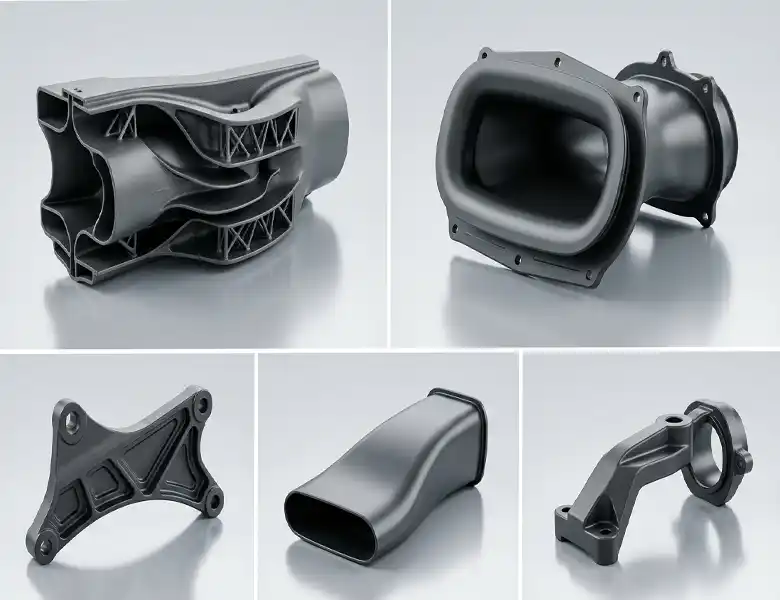
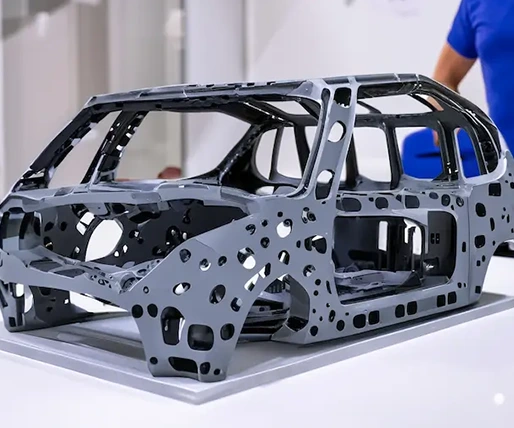
India’s automotive sector is moving towards faster product development, electric mobility, lightweight engineering and custom manufacturing. Additive manufacturing of car parts is transforming the automotive industry by making production faster and more flexible. At Design Roots, we provide precision automotive 3D printing services for OEMs, EV startups, component manufacturers, motorsport teams and aftermarket brands. From prototype car parts and dashboard components to battery housings, jigs, fixtures, and low-volume production parts, we help automotive businesses reduce development time and improve product accuracy.

To further support automotive production, Design Roots also provides vacuum casting for durable small-batch manufacturing. This process helps to create multiple automotive parts with consistent quality and smooth finishes after prototype approval. We use 3D printed master models to build silicone molds and produce polyurethane components. It is suitable for testing, validation, aftermarket runs, and EV applications. Vacuum casting supports product development, flexible production, and practical automotive manufacturing without long delays or heavy tooling costs.

  • Precision Guaranteed
  • Fast Turnaround
  • Industry Trusted
0+
Clients
0+
Projects Handled
0+
Parts Manufactured
0+
Years Of Experience

Why Automotive Components Need 3D Printing

Automotive product development requires speed, frequent design changes, accurate fitment, and cost control. Traditional tooling can slow early-stage development, while additive manufacturing offers faster solutions.

  • Rapid design

    Rapid prototyping without mold or tooling delays

  • Quick design

    Quick design revisions during product development

  • Complex

    Complex geometries not possible with conventional methods

  • Lightweight

    Lightweight automotive components for better efficiency

  • Functional prototypes

    Functional prototypes for testing and validation

  • Low-volume

    Low-volume production for custom and niche parts

  • Vehicle

    Faster time-to-market for new vehicle components

Efficient Development with Cost Savings

One of the major benefits of automotive 3D printing is reducing product development costs while improving speed and flexibility.

Eliminates expensive tooling for prototypes

Reduces material waste compared to machining

Supports one-off to small-batch production

Detects fit and assembly issues early

Enables multiple design revisions before production

Shortens development and launch cycles

Additive 3D Printing Services for Automotive Product Development

Design Roots offers multiple additive manufacturing technologies for automotive prototypes and production support.

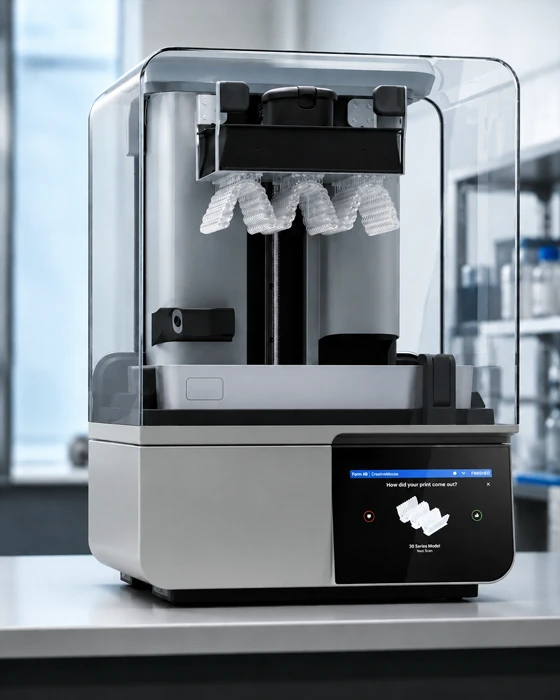
SLA 3D Printing

SLA 3D Printing for high-detail prototype parts, dashboards, trims, and styling models

SLA Transparent Materials

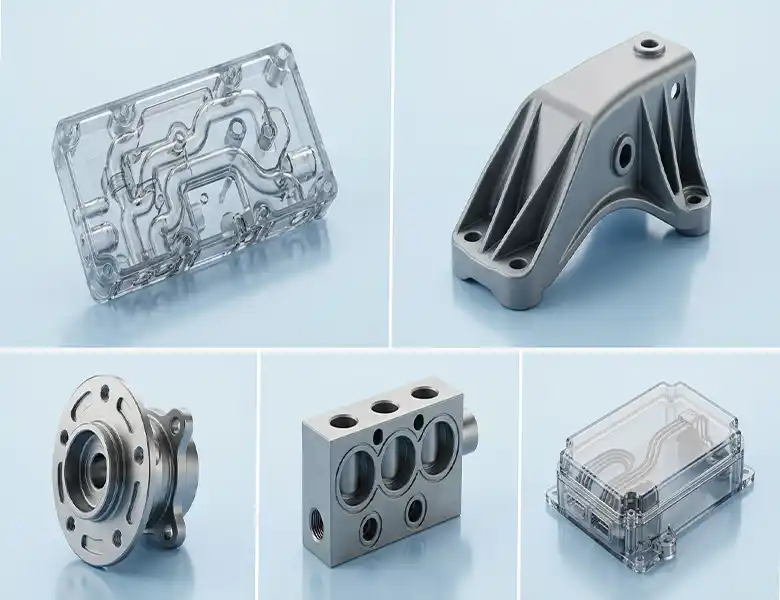
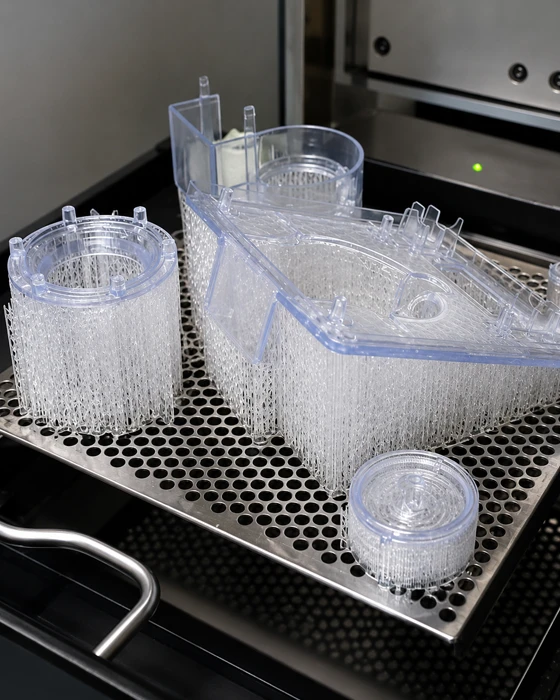
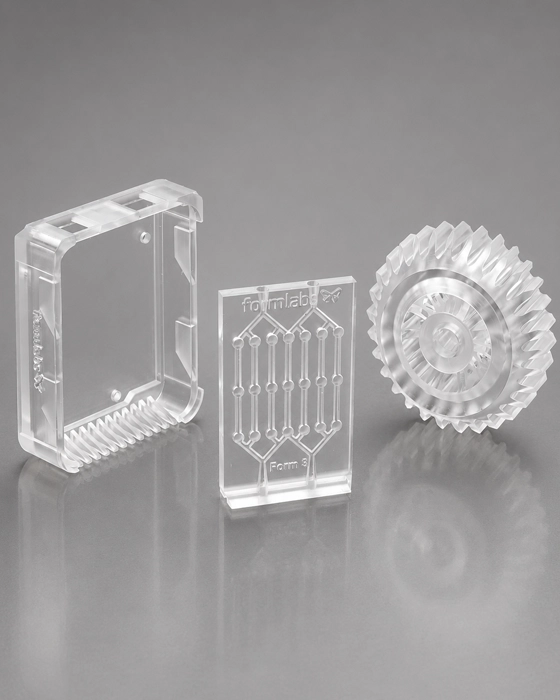
SLA Transparent Materials create headlight and tail lamps using clear resin for visual validation of lamp assemblies.

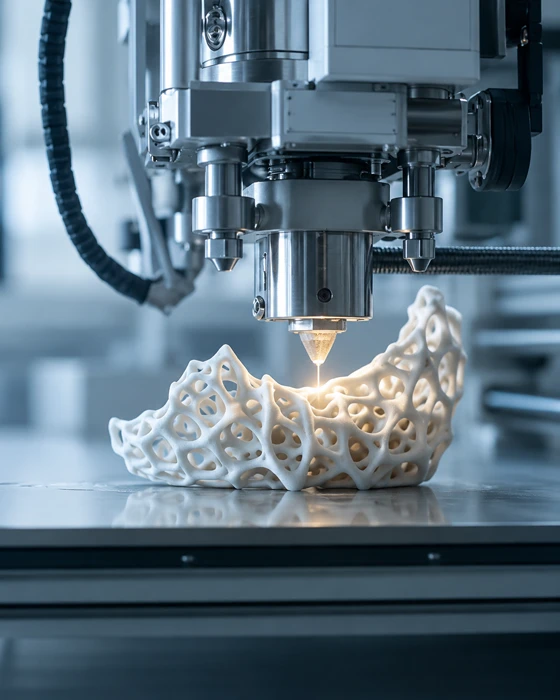
SLS 3D Printing

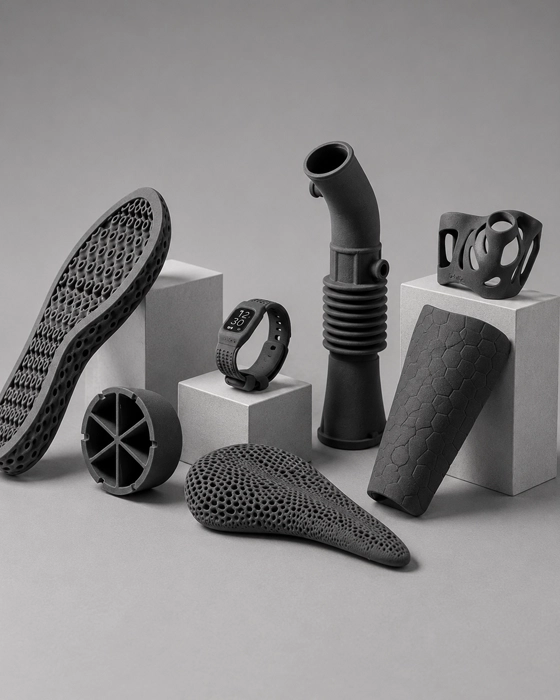
SLS 3D Printing for durable functional parts, housings, brackets, and assemblies

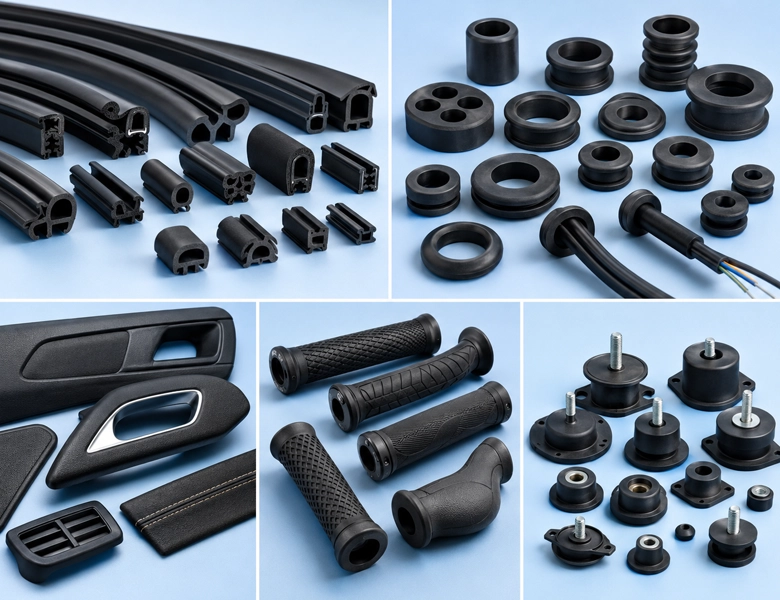
Flexible & Rubber Material Printing

creates gaskets, grommets, soft-touch trims, bike handles, grips, and vibration dampers using flexible resin.

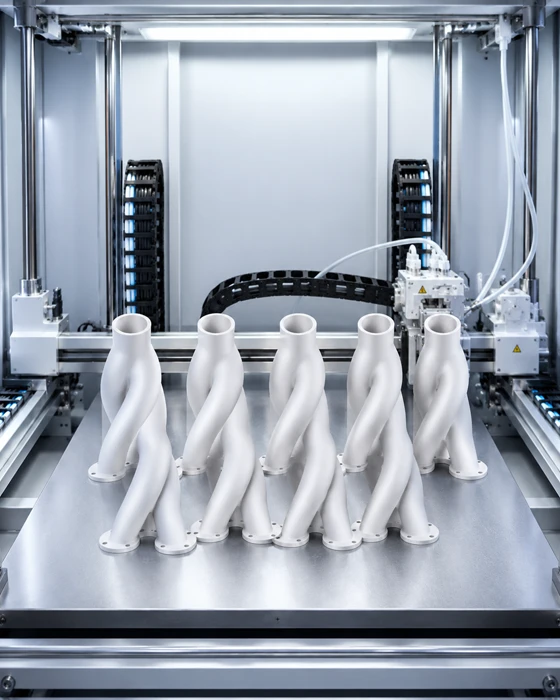
FDM 3D Printing

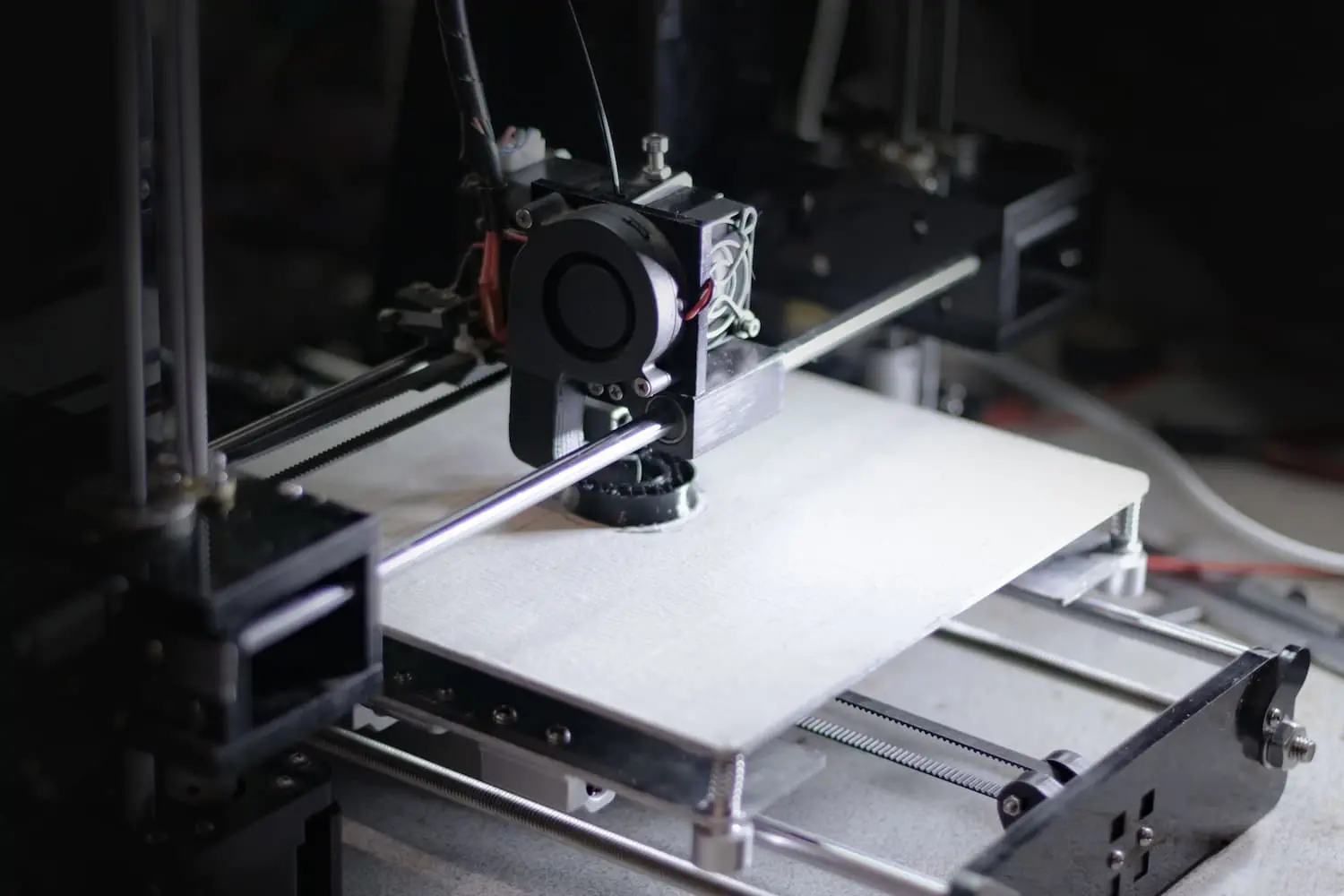
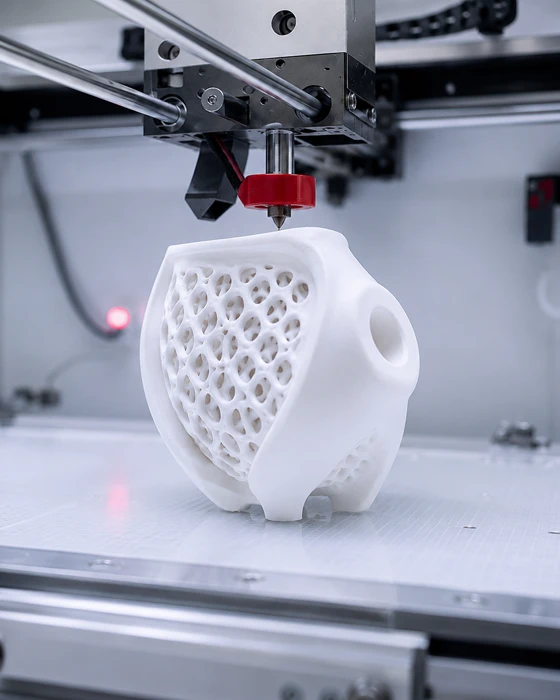
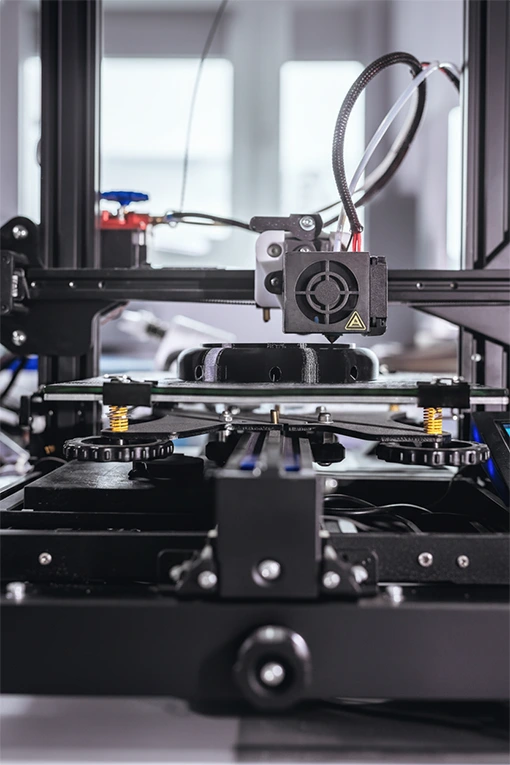
FDM 3D Printing for cost-effective prototypes, jigs, fixtures, and testing components

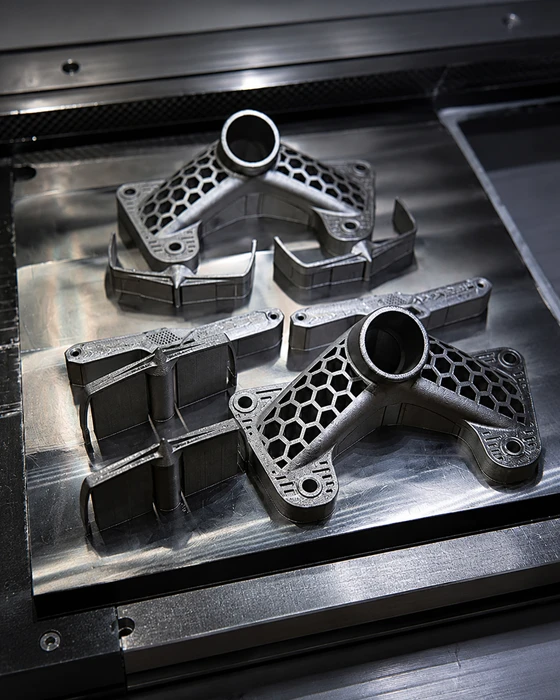
DMLS Metal 3D Printing

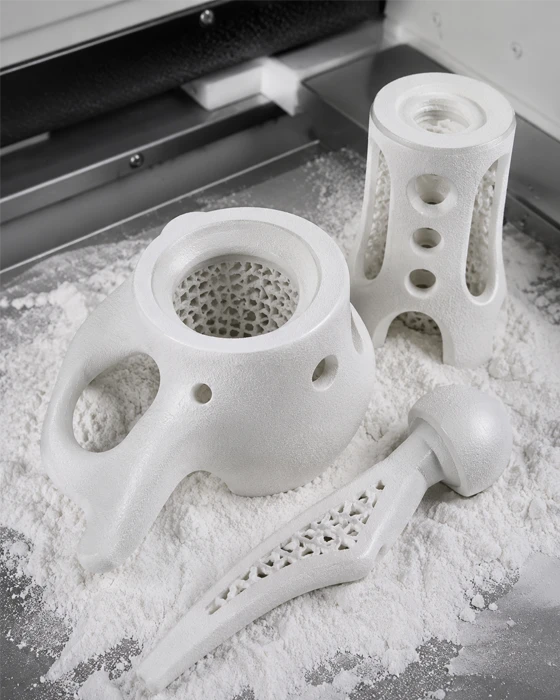
DMLS Metal 3D Printing for strong metal automotive components and engineering applications

Heat-Resistant Material

Heat-Resistant Material Printing for engine bay testing and high-temperature applications.

Low-Volume Production

Low-Volume Production Printing for limited-run custom parts and pilot batches

Custom Automotive

Custom Automotive Prototype Printing for EV, OEM, motorsport, and aftermarket products

Post-Processed 3D Printed

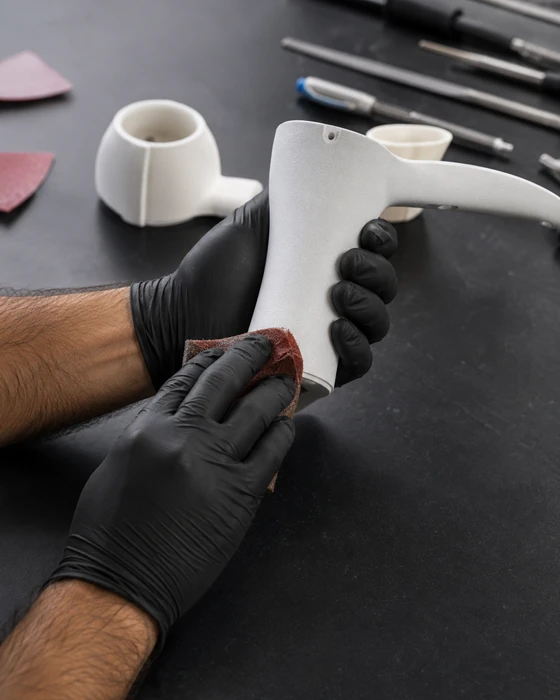
Post-Processed 3D Printed Parts with sanding, polishing, painting, and assembly support

Vacuum Casting for Automotive Prototypes & Small Batch Production

Design Roots combines 3D printing and vacuum casting to support automotive prototypes and small batch production in India. The process uses silicone molds and resin materials to create durable parts for testing, EV components, and aftermarket applications. It delivers smooth finishes, reliable quality, and cost-effective production for practical automotive manufacturing needs

  • Create detailed dashboards, brackets, housings, and trims using printed master patterns.
  • Produce flexible, rigid, and heat-resistant parts using polyurethane resin materials.
  • Support small batch production for OEM validation and custom automotive accessories.
  • Complete automotive parts through painting, texturing, polishing, and assembly finishing processes.

  • Reduce small batch automotive production costs with practical vacuum casting solutions.
  • Deliver automotive molds and parts quickly for product development processes.
  • Create smooth automotive components with accurate detail for realistic testing applications.
  • Support complex automotive part shapes and multi-material production requirements.

Applications of 3D Printing in Automotive Industry

Automotive 3D printing supports faster innovation, product validation, customisation, and manufacturing efficiency across multiple vehicle segments.

Interior Components & Cabin Systems

Exterior Components & Styling Parts

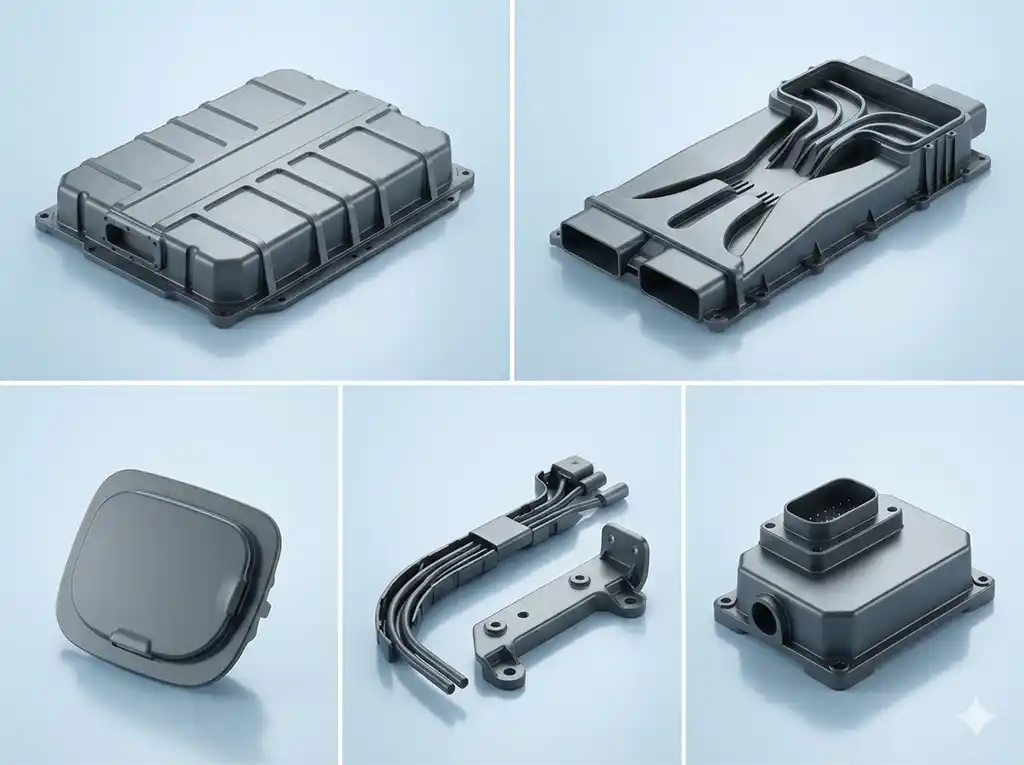
EV Components & Battery Systems

Engine Bay & Functional Components

Seals, Grips & Vibration Components

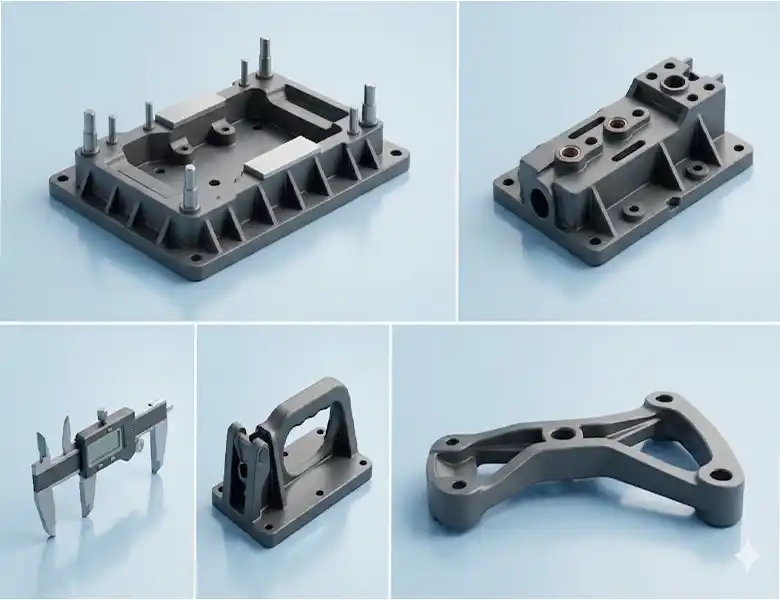
Tooling, Jigs, & Fixtures

Motorsports & Performance Applications

Aftermarket & Custom Automotive Parts

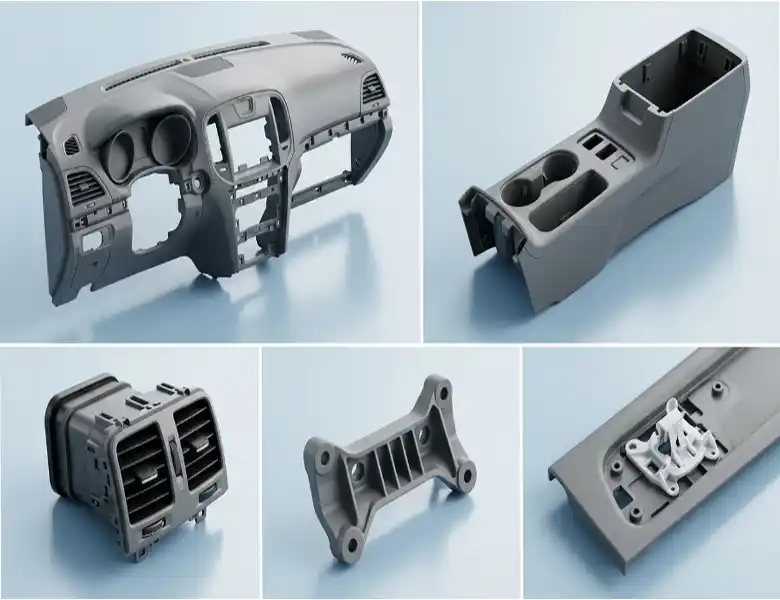
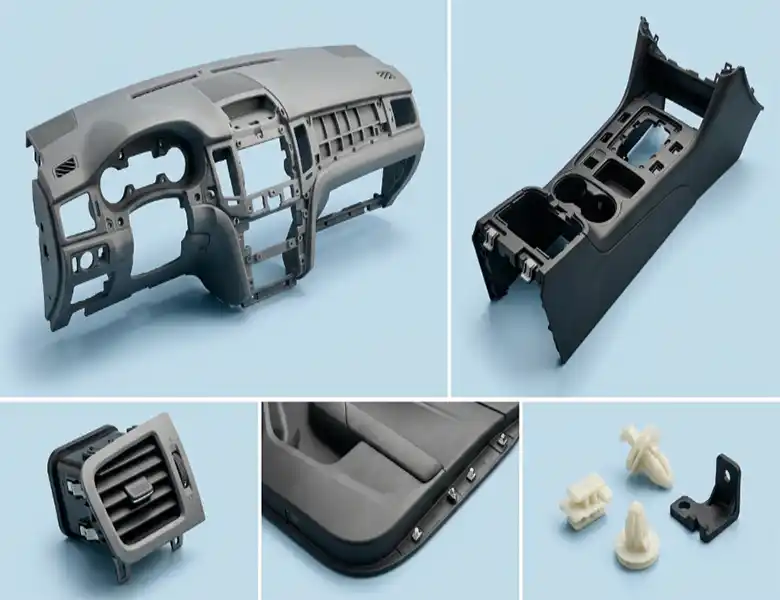
Interior Components & Cabin Systems

3D printing supports the development of modern and accurate vehicle interior components.

  • Dashboard systems
  • Center consoles
  • Air vent assemblies
  • Switch panels
  • Interior trims
  • Storage modules
  • Dashboard prototype parts
  • Air vent components
  • Trim panels
  • Console housings
  • Mounting clips
  • Interior brackets
  • Faster design validation
  • Better fit and assembly accuracy
  • Reduced tooling cost
  • Easier design updates
  • Improved ergonomics testing

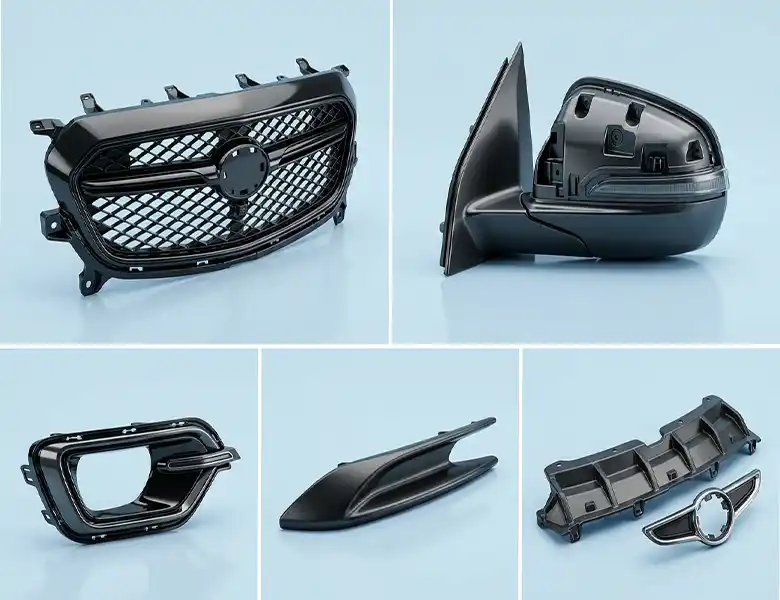
Exterior Components & Styling Parts

Exterior automotive parts often need fast design iterations and custom low-volume production.

  • Front grilles
  • Mirror housings
  • Lighting bezels
  • Badges
  • Body kit components
  • Custom trims
  • Headlight assemblies
  • Tail lamp housings
  • Lens covers
  • Soft-touch exterior trims
  • Rubber grommets and seals
  • Prototype grille parts
  • Mirror covers
  • Lamp bezels
  • Exterior trims
  • Styling components
  • Mounting supports
  • Prototype grille parts
  • Mirror covers
  • Lamp bezels
  • Exterior trims
  • Styling components
  • Mounting supports
  • Faster styling development
  • Accurate surface validation
  • Low-volume custom production
  • Reduced market launch time
  • Easy modifications before production
  • Test optical clarity before tooling

EV Components & Battery Systems

Electric vehicle brands use 3D printing for product development and lighter components.

  • Battery pack housings
  • Cooling ducts
  • Charging port covers
  • Cable routing systems
  • Sensor mounts
  • Power electronics enclosures
  • Battery case prototypes
  • Cooling assemblies
  • Connector housings
  • Cable management parts
  • EV enclosure prototypes
  • Faster EV development
  • Lightweight solutions
  • Better thermal packaging studies
  • Quicker testing cycles
  • Reduced development delays

Engine Bay & Functional Components

3D printing helps create functional automotive parts for testing and specialised applications.

  • Air intake systems
  • Fluid reservoirs
  • Sensor mounts
  • Protective covers
  • Cable clips
  • Brackets
  • Air duct prototypes
  • Engine bay brackets
  • Sensor holders
  • Functional covers
  • Custom clips
  • Quick functional testing
  • Better fitment studies
  • Reduced lead times
  • Lightweight replacement parts
  • Faster engineering updates

Seals, Grips & Vibration Components

Flexible and rubber-like 3D printing materials help automotive teams test sealing, grip, and vibration performance without waiting for production molds.

  • Door and window gaskets
  • Grommets and cable seals
  • Soft-touch interior trims
  • Bike handles and grips
  • Vibration dampers and mounts
  • Gasket prototypes
  • Flexible grommet models
  • Soft-touch trim samples
  • Handle and grip prototypes
  • Damper and mount components
  • Test sealing and fitment before mold investment
  • Validate grip comfort and ergonomics early
  • Faster development for rubber-replaced components
  • Low-volume flexible parts for niche applications
  • Accurate shore hardness options for different use cases

Tooling, Jigs, & Fixtures

Production teams use automotive 3D printing for factory tools and assembly support.

  • Assembly fixtures
  • Drill guides
  • Checking gauges
  • Welding supports
  • Handling tools
  • Production jigs
  • Inspection fixtures
  • Operator tools
  • Custom gauges
  • Support frames
  • Faster tooling creation
  • Lower support costs
  • Improved manufacturing efficiency
  • Easy process improvements
  • Reduced downtime

Motorsports & Performance Applications

Racing and performance sectors need quick development and lightweight custom parts.

  • Aerodynamic testing
  • Custom brackets
  • Cooling guides
  • Intake prototypes
  • Race support tools
  • Aero models
  • Lightweight brackets
  • Performance ducts
  • Prototype intake parts
  • Race tooling components
  • Faster race development cycles
  • Quick customisation
  • Lightweight performance solutions
  • Rapid replacement support
  • Better testing flexibility

Aftermarket & Custom Automotive Parts

3D printing supports personalised upgrades and hard-to-find spare parts.

  • Custom accessories
  • Replacement trims
  • Modified interiors
  • Classic vehicle restoration
  • Special fit parts
  • Custom panels
  • Replacement clips
  • Vintage part recreations
  • Interior upgrades
  • Special brackets
  • Low-volume flexible production
  • Quick access to unavailable parts
  • Better customisation choices
  • Reduced waiting time
  • Accurate fit for unique vehicles

How Automotive Segments Benefit from 3D Printing

Specialty Key Applications Industry Value
Passenger Vehicles Dashboard parts, trims, clips, vents Faster product development and fitment testing
Electric Vehicles Battery housings, cooling ducts, enclosures Faster EV development and lightweight solutions
Commercial Vehicles Utility brackets, cabin parts, covers Durable parts with reduced downtime
Two Wheelers Panels, housings, accessories, flexible grips and handle prototypes Faster launches and prototype validation
Motorsports Lightweight custom parts, aero models Rapid performance upgrades
Aftermarket Custom accessories, replacement parts Low-volume flexible production

Why Design Roots for Automotive 3D Printing?

High-Precision Manufacturing

We produce accurate automotive parts and prototypes with close attention to fit, finish, and consistency.

Fast Turnaround Support

Our process helps deliver prototypes and low-volume parts within shorter timelines.

Multiple Printing Technologies

We offer SLA, SLS, FDM, and DMLS solutions for different automotive applications

Custom Component Development

We support OEM, EV, aftermarket, motorsport, and specialised part development.

End-to-End Project Guidance

Our team assists from concept review and prototyping to final development stages.

Reliable Quality & Delivery

We focus on dependable quality, responsive communication, and timely delivery.

Our Automotive 3D Printing Process From Design to Prototype

01

Requirement Assessment

We understand your automotive application, part function, material needs, and performance goals.

02

CAD File Preparation

Our team works with STL, STEP, IGES, and CAD files to prepare print-ready models.

03

Model Validation

The design is reviewed for fitment, strength, dimensional accuracy, and intended use.

04

3D Printing Production

The suitable printing technology is selected based on prototype, tooling, or functional part requirements.

05

Post Processing

Parts undergo cleaning, support removal, sanding, polishing, painting, and finishing.

06

Quality Control & Delivery

Each part is inspected before secure packaging and delivery. NDA support is available for confidential automotive projects.

Custom 3D Printing for High-Performance Automotive Parts

Request a free quote for your automotive prototype built for performance, durability, and accurate fitment. From prototypes to custom components, we help speed up development with reliable turnaround times.

Future of 3D Printing in India’s Automotive Industry

India's automotive industry is shifting toward lighter vehicles, electric drivetrains, and faster product cycles. 3D printing is already part of this . Additive manufacturing technology will play a crucial role in this process by providing a platform for rapid prototyping, design modifications, and low-volume manufacturing. The technology will help automobile manufacturers and their suppliers design battery enclosures, cabin interiors, engine components, and custom tools quickly and accurately.

The growth of electric vehicles and innovative designs in India will require 3D printing technology to minimize product development time, enhance testing processes, and foster innovation in automotive engineering.
FAQ

Queries About 3D Printing Solutions for Automotive Industry

Yes. We support single custom parts, prototypes, and small-batch production runs for OEMs, EV startups, and aftermarket brands. Share your CAD file or a reference sample and we'll advise the right process.

Yes. We use heat-resistant resins and engineering-grade materials suitable for under-hood environments. These are primarily used for fit checks, airflow testing, and functional validation, not as permanent replacements for production metal components.

Yes. If you have a broken part and no CAD file, we can reverse engineer it using 3D scanning and recreate it accurately. This is useful for classic vehicle restoration and discontinued OEM trims where sourcing is no longer possible.

Indian OEMs and EV startups prefer 3D printing because it reduces production time and cost while helping teams test and improve designs before full manufacturing.

Yes, material choice determines strength.
  • SLS nylon parts handle functional stress and snap-fit assemblies well.
  • DMLS metal printing produces parts comparable in strength to machined components.
  • For decorative or visual prototypes, SLA resins are sufficient.
We recommend the right material based on the part's actual load and environment.

3D printing in automotive builds vehicle parts layer by layer from digital designs. It helps automotive teams validate designs, produce custom parts, and manufacture complex geometries that traditional machining can't achieve.

For prototypes and small batches, it eliminates tooling costs that can run from thousands to lakhs. Design changes happen in the CAD file, not by recutting a mold, so iterations are faster and cheaper. Traditional manufacturing still wins on per-unit cost once volumes cross into the thousands.

Most parts will be ready within 2 to 5 business days. Simple brackets or clips can be turned around in 24 to 48 hours. Post-processing such as painting or assembly adds 1 to 2 days. Time varies depending on design complexity.

Yes for older vehicles and unique segments where parts are no longer manufactured. Instead of physical inventory, manufacturers can store digital files and print on demand, reducing warehousing costs and lead times for slow-moving SKUs.

Metal 3D printing for car components is growing fast. In India, EV manufacturers already use it to build battery enclosures and heat management parts. As printing becomes cheaper and faster, more companies will produce small batches directly from printers without needing molds or tooling at all.

It works best for prototyping and small batch production. Large-scale manufacturing still uses traditional methods for speed.

We offer engineering-grade nylon(SLS), ABS-like materials and heat-resistant resins (SLA), and standard and reinforced FDM filaments, and stainless steel or aluminium alloys for DMLS metal printing.

Yes. SLA clear resin prints transparent headlight and tail lamp prototypes to test light transmission and fit before tooling.

Yes. We use flexible resin and TPU print rubber-like gaskets, grommets, grips, and vibration dampers for fitment and ergonomic testing.

Yes. Sanding, polishing, painting, and assembly support are available based on project requirements. Parts that need to match production aesthetics go through multi-stage finishing. For functional testing parts, basic support removal and surface smoothing is sufficient.

Yes, Design Roots supports custom design work for automotive components based on specific needs. It helps create practical parts for real vehicle applications.

Yes. DMLS (Direct Metal Laser Sintering) is available for high-strength automotive components such as brackets, mounts, heat-exposed parts, and functional assemblies where plastic isn't sufficient. We advise on design constraints specific to metal printing before production begin.