Advanced Medical 3D Printing for Healthcare Parts in India
Best 3D Printing for Medical Devices and Prototypes
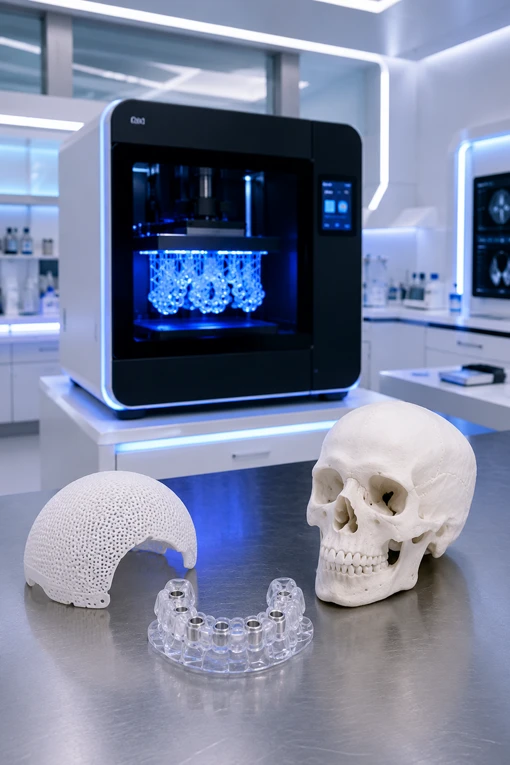
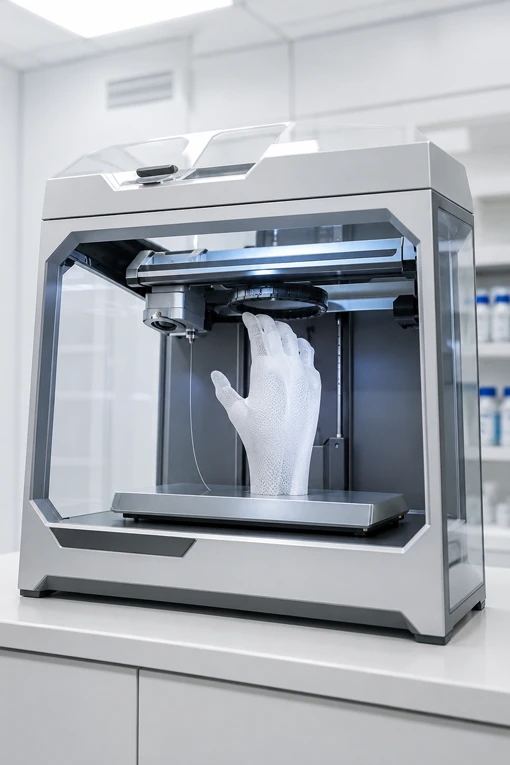
India's healthcare system treats over a billion patients, each with unique anatomy, conditions, and needs. At Design Roots, we use advanced additive manufacturing to produce medical devices built around that individuality. From surgical planning models and anatomical replicas to orthopedic procedure guides and dental restorations, we deliver precision 3D printed medical devices. Based in India. Built for Indian healthcare.
Along with 3D printing, we use vacuum casting for low-volume and pilot production. We first create a master model using 3D printing, then form a silicone mould around it. We pour medical-grade resin into the mould under vacuum to avoid air bubbles and maintain consistent part quality. This method helps produce 15–25 identical units depending on part complexity that look and feel close to final products. It suits testing, user trials, and early market checks when teams need consistent parts without full-scale tooling.
-
 Precision Guaranteed
-
 Fast Turnaround
-
 Industry Trusted
Clients
Projects Handled
Parts Manufactured
Years Of Experience
Why Medical Components Need 3D Printing
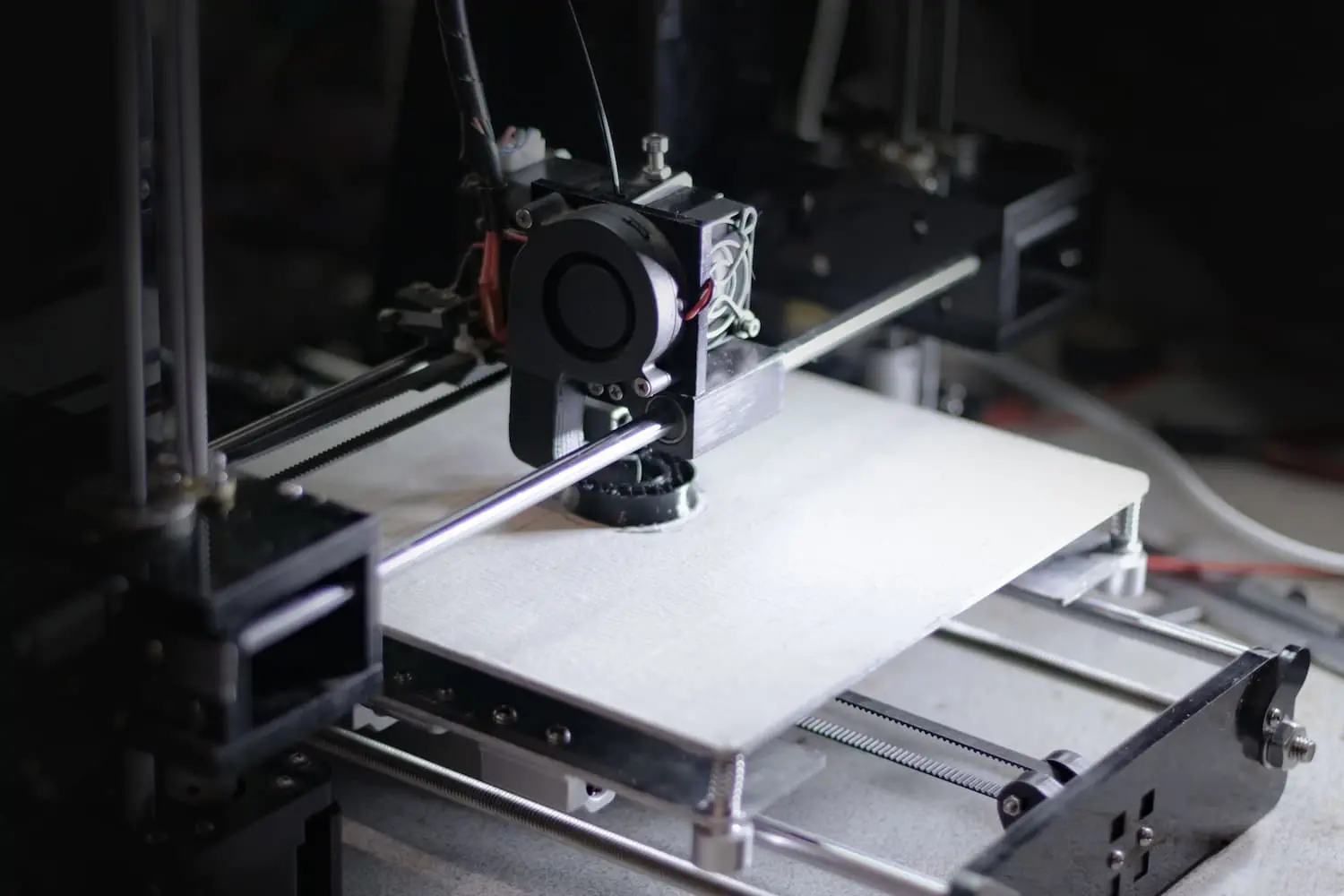
Medical device development involves frequent design changes, complex geometries, and strict accuracy requirements. 3D printing helps address these needs effectively:
-

Rapid design
Rapid design iterations without waiting for tooling.
-

Complex
Complex internal structures that are difficult with traditional methods.
-

Customization
Customization for individual anatomical needs
-

Receive Your Order
Lightweight and functional components
-

Accurate prototypes
Accurate prototypes for testing and validation purposes
Cost-Effective Medical Product Development with 3D Printing
A key benefit of 3D printing for medical devices is the fast and efficient transition from idea to prototype without high upfront costs.
Eliminates expensive tooling during prototype stages
Reduces material waste compared to subtractive manufacturing
Supports single-unit to low-volume production efficiently
Detects fit and design issues early
Enables multiple revisions before final release
Reduces the time to launch new products
Additive 3D Printing Services for Medical Product Development
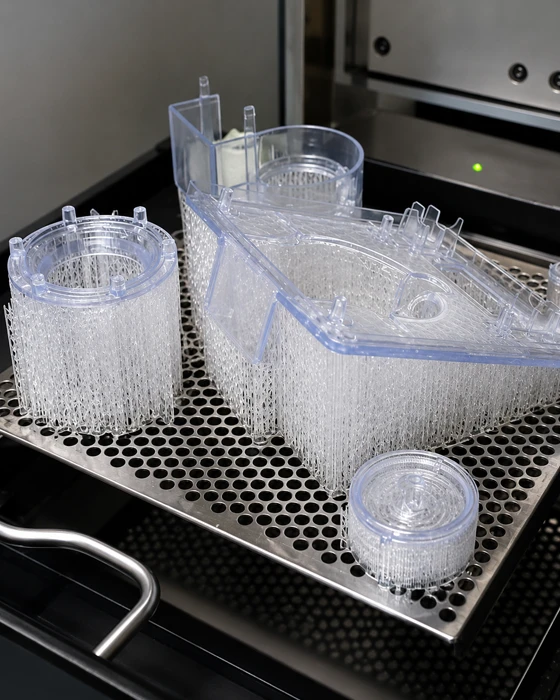
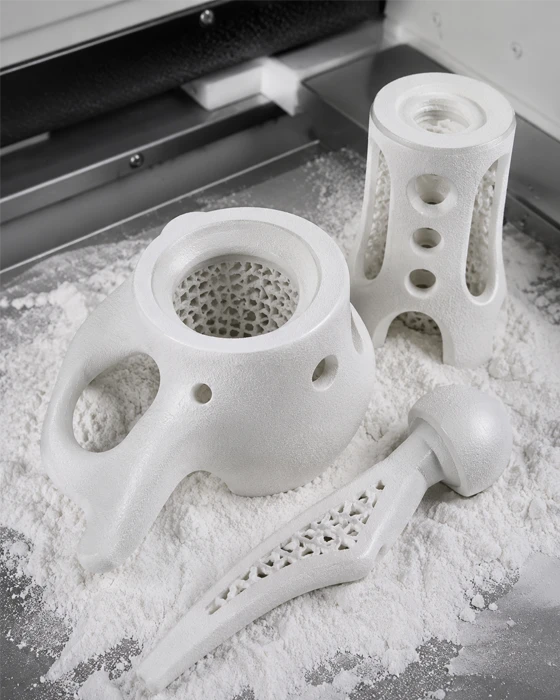
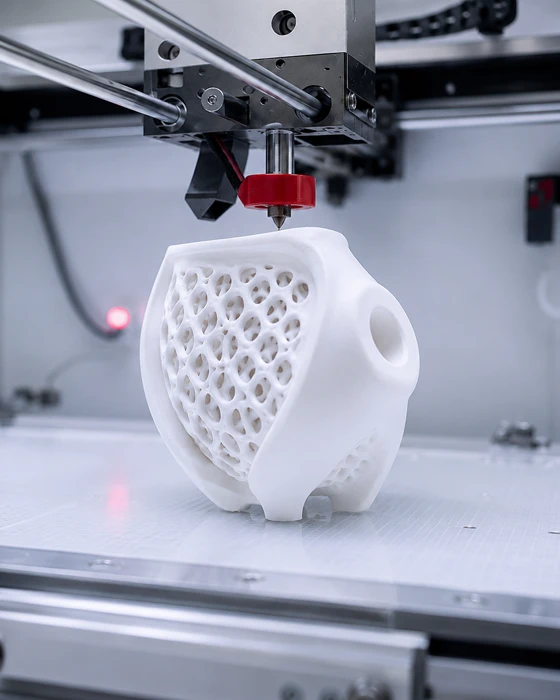
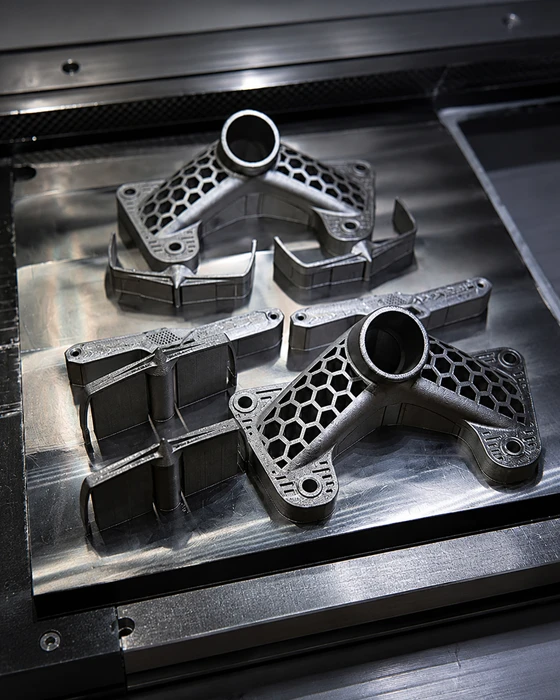
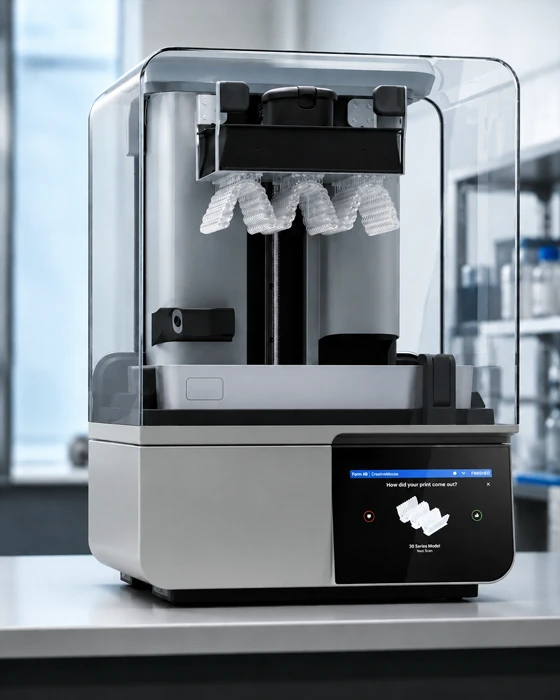
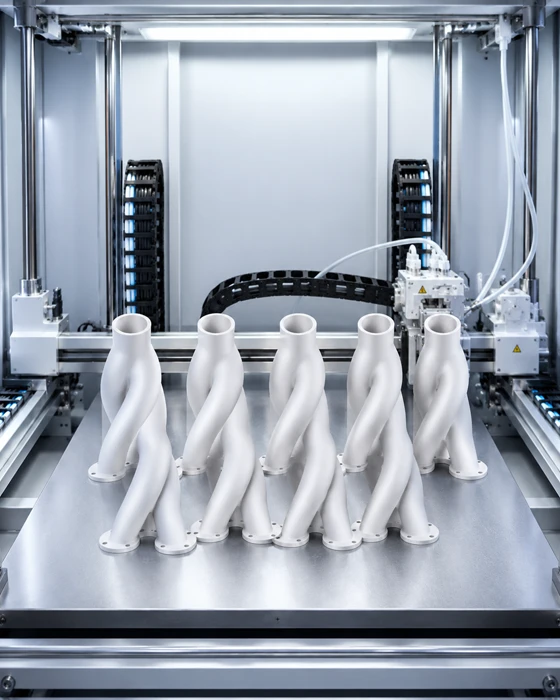
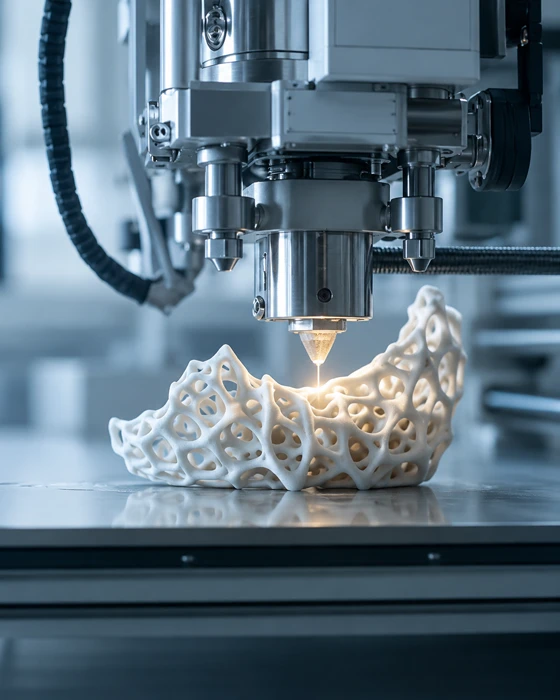
Design Roots offers 3D printing technologies for medical device development and production, including:
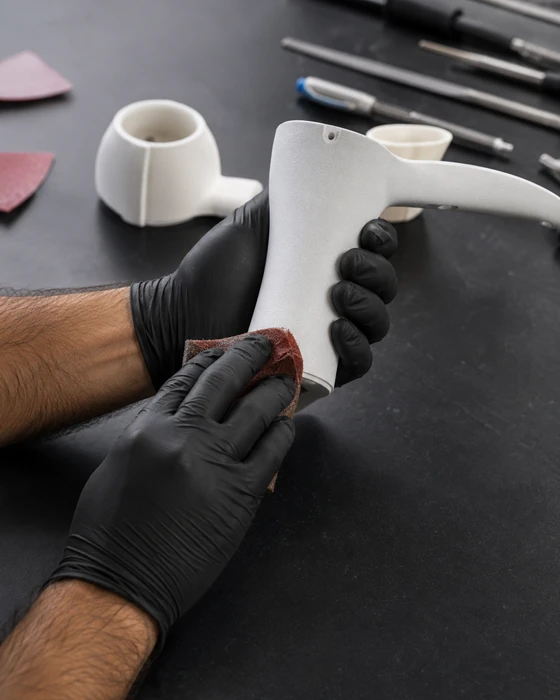
Vacuum Casting for Medical Prototypes & Low-Volume Parts
We provide vacuum casting for medical projects that need plastic parts in small batches with a finish close to injection molding. It works well for device housings, covers, and external components that should match the look and feel of final production parts before mass manufacturing begins.
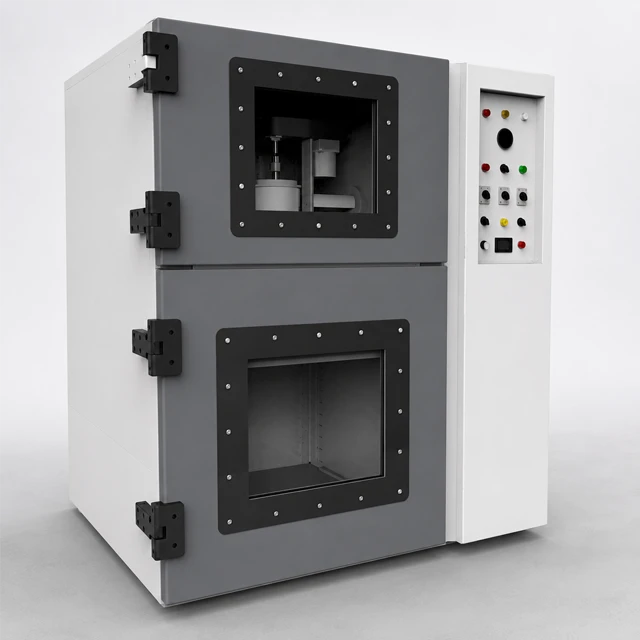
- Device enclosures and outer casings for testing and evaluation equipment
- Wearable device covers, grips, and protective shells for daily handling
- Handles, knobs, and external panels for hospital and laboratory devices
- Small-batch parts for pilot runs, field use, and approval stage testing
- Smooth surface finish that closely matches production-quality plastic parts
- Lower production cost for short runs without using expensive metal tooling
- Reliable dimensions that support assembly checks and fitting accuracy
- Material choices that copy standard plastics and flexible rubber materials
- Shorter production time compared to traditional mould-making methods
- Create a detailed master model using SLA 3D printing technology.
- Build a silicone mould around the finished master component.
- Vacuum-cast parts to reduce trapped air and maintain part precision.
- Use the mould for repeated casting during testing, validation, and low-volume production.
3D Printing Applications Across Medical Devices & Healthcare
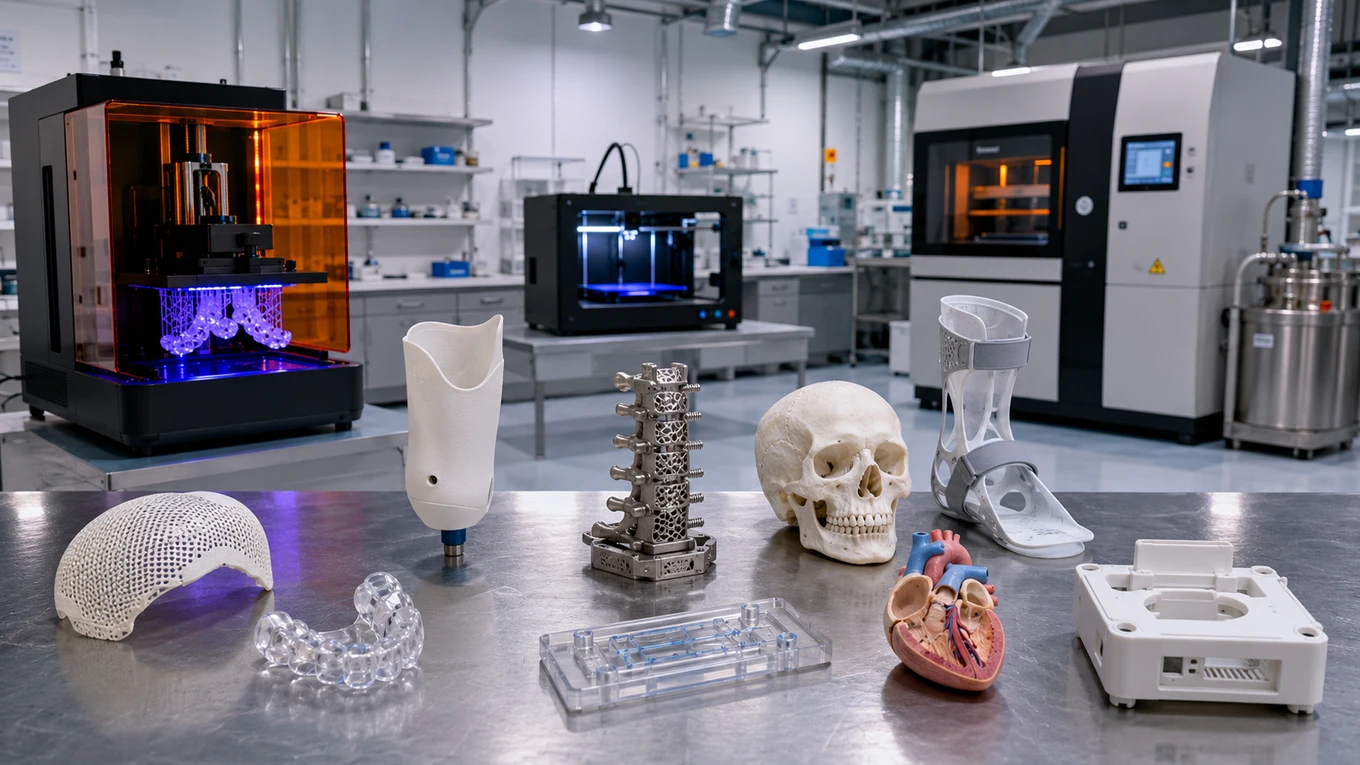
3D printing has become an important part of modern healthcare product development. It helps medical device manufacturers, MedTech companies, hospitals, and research teams create accurate components, customized solutions, and functional prototypes with faster turnaround times. From diagnostics and surgical planning to rehabilitation and dental solutions, additive manufacturing supports innovation while reducing development costs and lead times.
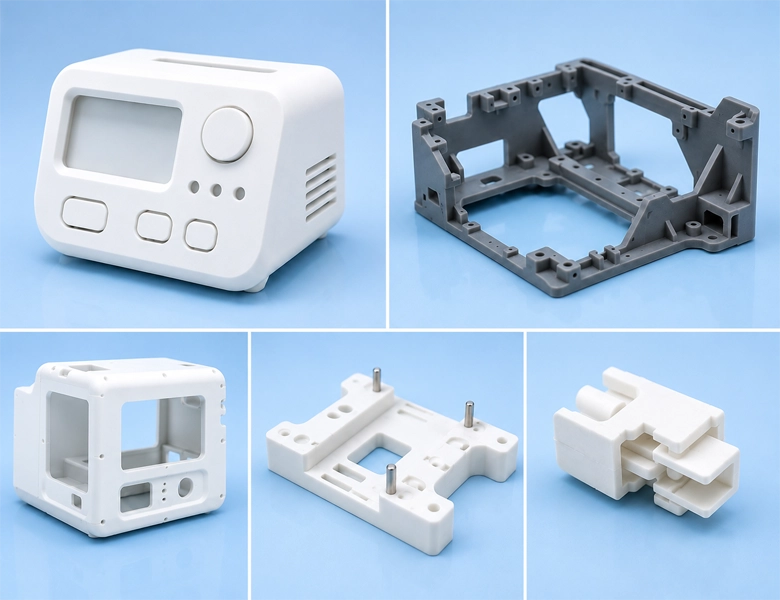
Medical Devices & Diagnostic Equipment
3D printing supports the development of compact, reliable, and precision-focused medical devices used in hospitals, laboratories, and healthcare environments.
- Diagnostic systems
- Patient monitoring devices
- Laboratory equipment
- Imaging accessories
- Point-of-care testing devices
- Portable healthcare devices
- Functional and visual prototypes
- Device enclosures and casings
- Internal brackets and support frames
- Connectors and assembly parts
- Calibration and alignment fixtures
- Faster product development through rapid prototyping and testing
- Improved fit, alignment, and assembly accuracy
- Reduced tooling cost during early-stage development
- Faster validation before production release
- Reliable iteration for evolving product requirements
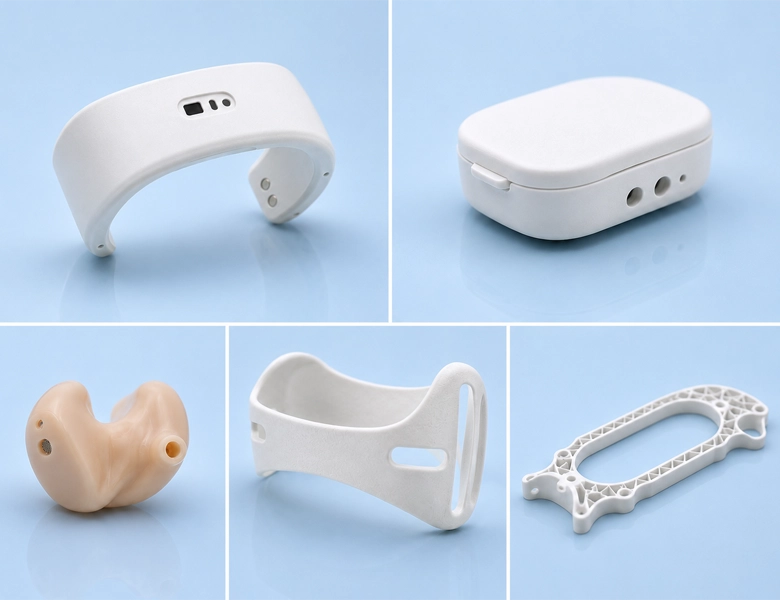
Wearable & Patient Care Devices
Wearable healthcare products require lightweight construction, comfort, and durable performance. 3D printing enables rapid customization and efficient product testing.
- Wearable health monitors
- Remote patient monitoring systems
- Elderly care devices
- Assistive support products
- Hearing aids and ear molds
- Wearable housings
- Sensor enclosures
- Body-fit support components
- Lightweight structural parts
- Improved comfort with ergonomic designs
- Lightweight parts for better daily usability
- Faster customization for unique needs
- Quicker testing and development cycles
- Better integration of sensors and electronics
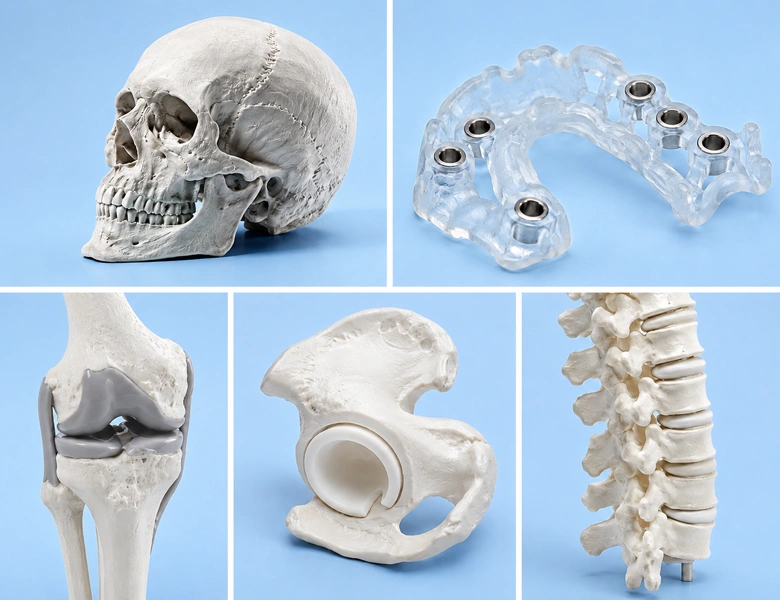
Surgical Planning & Clinical Precision
3D printing helps surgeons and healthcare teams prepare for complex procedures with accurate physical models and procedure-specific tools.
- Pre-surgical planning
- Anatomical study
- Implant fit verification
- Complex case visualization
- Procedure simulation
- Anatomical models from scan data
- Surgical guides
- Procedure rehearsal models
- Training and simulation models
- Improved surgical planning and case preparation
- Higher procedural accuracy with custom guides
- Reduced operating room time
- Better coordination between clinical teams
- Lower risk in complex procedures
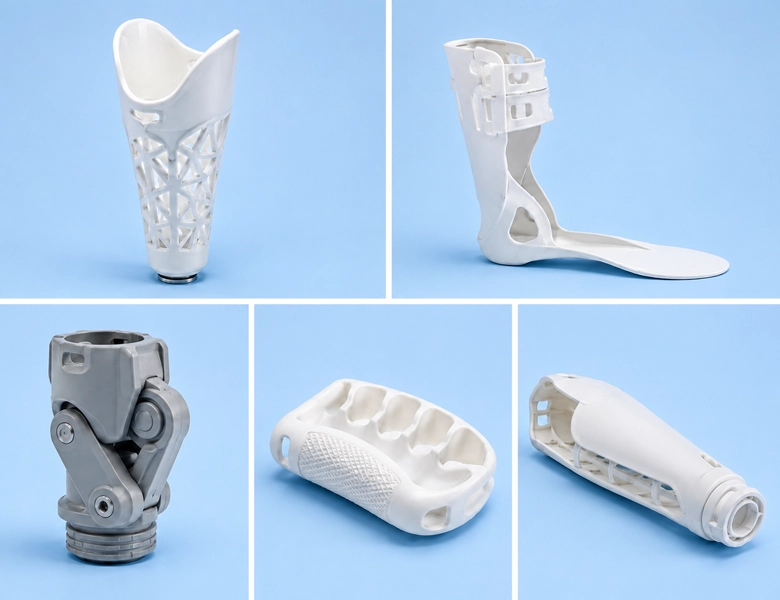
Prosthetics, Orthotics, & Rehabilitation
3D printing helps in creating custom mobility and rehabilitation devices faster, with a better fit for each patient.
- Upper limb prosthetics
- Lower limb prosthetics
- Orthotic braces
- Mobility support systems
- Physiotherapy devices
- Prosthetic sockets
- Orthotic supports and braces
- Connector joints
- Therapy equipment components
- Patient support parts
- Better fit and comfort for long-term use
- Faster customization based on patient measurements
- Improved mobility and support performance
- Lower development costs compared to traditional methods
- Easy modification as patient needs change
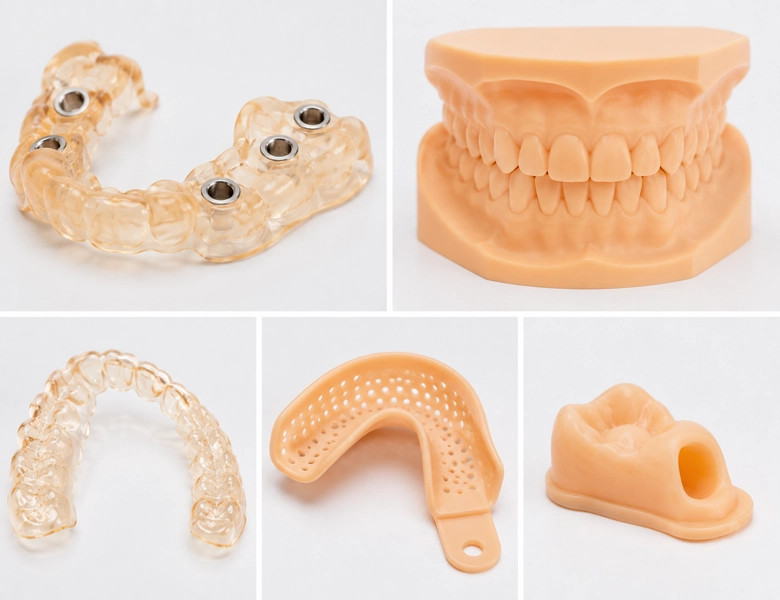
Dental & Orthodontic Solutions
Dental applications require high detail and dimensional accuracy. 3D printing supports faster workflows and precise treatment planning.
- Dental diagnostics
- Orthodontics
- Implant planning
- Restorative dentistry
- Dental study models
- Surgical implant guides
- Aligner models
- Custom trays
- Precision dental components
- High-precision models for treatment planning
- Faster turnaround for clinics and labs
- Improved fit for aligners, guides, and trays
- Better patient experience with shorter wait times
- Efficient workflow for repeated cases
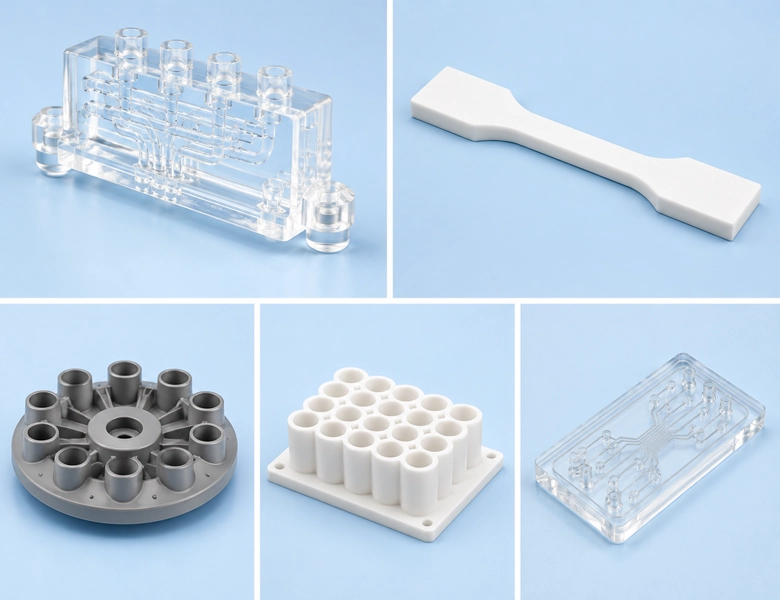
Laboratory, Research, & Testing Equipment
Research teams use 3D printing for rapid testing, design validation, and custom laboratory tools.
- Biomedical research
- Experimental setups
- Product validation
- Fluid flow testing
- Material behavior studies
- Prototype testing parts
- Transparent flow models
- Lab equipment components
- Testing fixtures and holders
- Faster concept validation and testing
- Reduced research and development costs
- Custom parts for specialized requirements
- Early detection of design issues
- Shorter innovation cycles for R&D teams
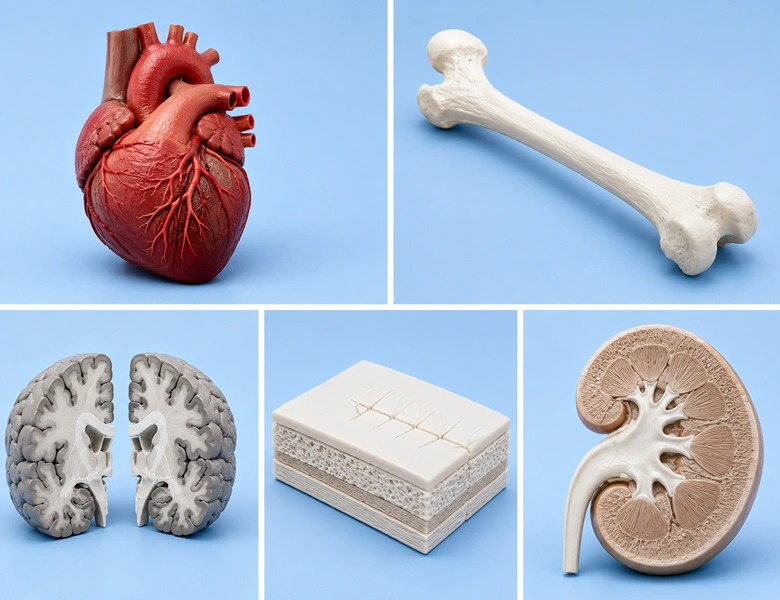
Medical Education & Training Models
Hospitals, colleges, and training centers use physical models for education and hands-on learning.
- Anatomy education
- Surgical training
- Procedure demonstrations
- Clinical workshops
- Organ models
- Bone models
- Cross-section teaching models
- Simulation components
- Better hands-on learning experiences
- Improved training outcomes
- Repeatable tools for continuous practice
- Clear understanding of anatomy and procedures
- Reduced dependency on limited teaching resources
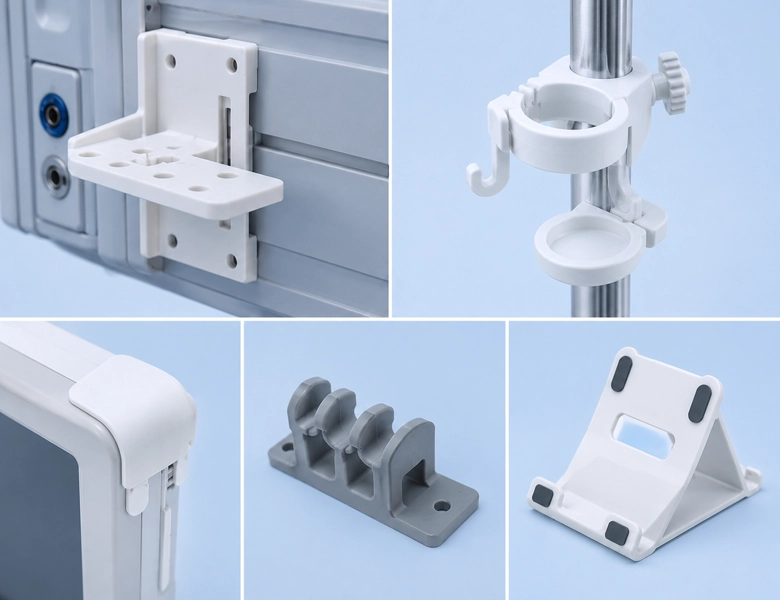
Hospital Custom Components & Accessories
Healthcare facilities often require custom-fit accessories and support parts for smoother day-to-day operations.
- Equipment organization
- Device mounting
- Workflow improvements
- Safety and support accessories
- Custom brackets and holders
- Mounting components
- Handles and protective covers
- Equipment support accessories
- Improved workflow efficiency through purpose-built components
- Custom-fit parts matched to equipment and space needs
- Faster replacement of unavailable or damaged components
- Reduced downtime in critical areas
- Better space utilization with dedicated supports and mounts
3D Printing Solutions Across Surgical Specialties
| Specialty | Key Applications | Clinical Value |
|---|---|---|
| Neurosurgery | Cranial implants, surgical planning models | Improved surgical precision, reduced operating time |
| Orthopaedics | Surgical guides and instruments | Accurate placement, improved alignment and recovery |
| Maxillofacial Surgery | Surgical planning models, reconstruction guides | Better surgical outcomes improved planning accuracy |
| Dentistry | Crowns, bridges, implant guides, aligners | Accurate fit restorations, reducing clinical appointments |
| Plastic Surgery | Surgical planning models and reconstruction prototypes | Natural anatomical outcomes, personalised reconstruction |
| Spine Surgery | Pedicle screw guides, vertebral anatomical models | Improved placement accuracy, lower complication risk |
| Oncology | Post-resection bone reconstruction, cranial reconstruction after tumour removal | Accurate defect restoration, improved post-surgical recovery |
Why Design Roots for Medical Device 3D Printing?

High-Precision Manufacturing
We produce accurate medical components and prototypes with close attention to detail and consistency.

Fast Turnaround Support
Our streamlined process helps deliver prototypes and low-volume parts within shorter timelines.

Multiple Printing Technologies
We offer SLA, SLS, FDM, and DMLS solutions to match different medical product requirements.

Custom Component Development
We support custom and application-specific parts based on your design needs.

End-to-End Project Guidance
Our team assists from concept review and prototyping to final development stages.

Reliable Quality & Delivery
We focus on dependable quality standards, responsive communication, and timely delivery.


Precision 3D Printing for Healthcare Innovation
Request a quote for functional prototypes, medical part fabrication, anatomical models, or limited-run production parts. Design Roots can accommodate your needs with precision engineering and fast delivery. We are here to assist medical device developers at all stages from concept validation to prototype completion.
Future of 3D Printing in India’s Medical Device Industry
India's medical device industry is moving toward personalized care, faster surgical planning, and more precise implant design.3D printing plays a significant role in creation of customized implants, prosthetics, surgical guides, anatomical models, and medical prototypes. It offers accurate results in a shorter time. 3D printing helps hospitals, medical device makers, and research organizations to develop highly customized products according to patients’ needs.
As the need for personalized medical care, sophisticated surgical procedures, and minimal invasive procedures rise in India, the additive manufacturing technology will be of great importance in enhancing the surgical quality.