Requirement Review
We assess payload weight, flight conditions, material needs, and durability requirements.

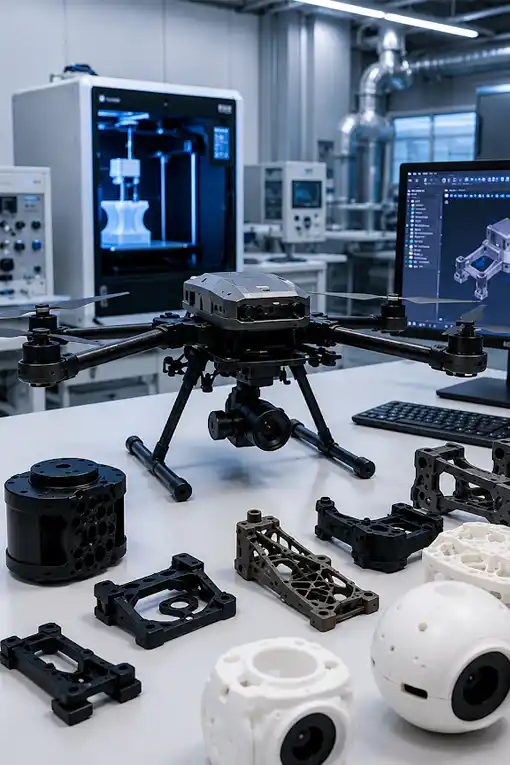
Drone and UAV development depends on speed, accuracy, and continuous improvement. Manufacturers often need to test new designs, reduce weight, improve performance, and validate components before moving to production. Traditional manufacturing methods can slow this process when design changes happen frequently. 3D printing helps teams create accurate parts quickly, making it easier to test and refine drone components without long production delays. India's drone industry is growing rapidly with support from the PLI scheme and DGCA regulatory framework. This has increased demand for locally manufactured prototypes and custom parts that support faster testing, compliance validation, and product development.
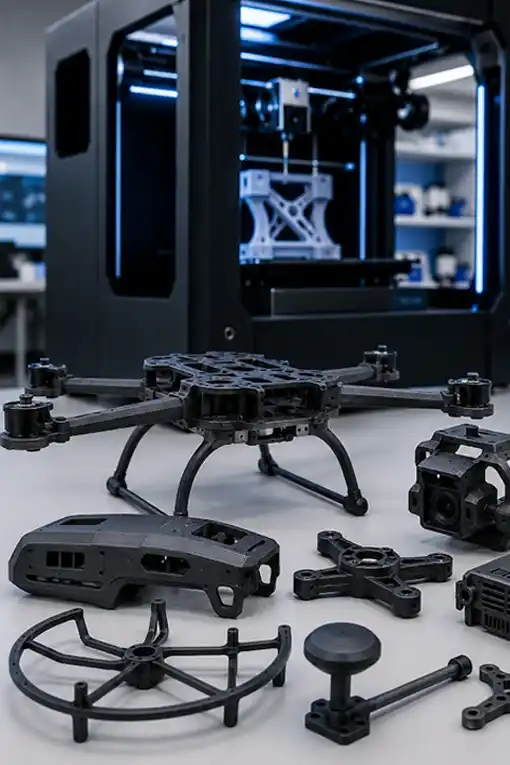
At Design Roots, we provide 3D printing and Vacuum casting services in India for drone and UAV manufacturers, startups, research teams, and engineering companies. We produce prototype and functional parts for airframes, camera housings, sensor enclosures, battery systems, landing gear, and custom UAV assemblies. Our 3D printing service supports rapid design validation, while vacuum casting helps produce high-quality parts for testing and low-volume production. Together, we create lightweight and accurate components that support faster product development from prototype to production.
 Precision Guaranteed
 Fast Turnaround
 Industry Trusted
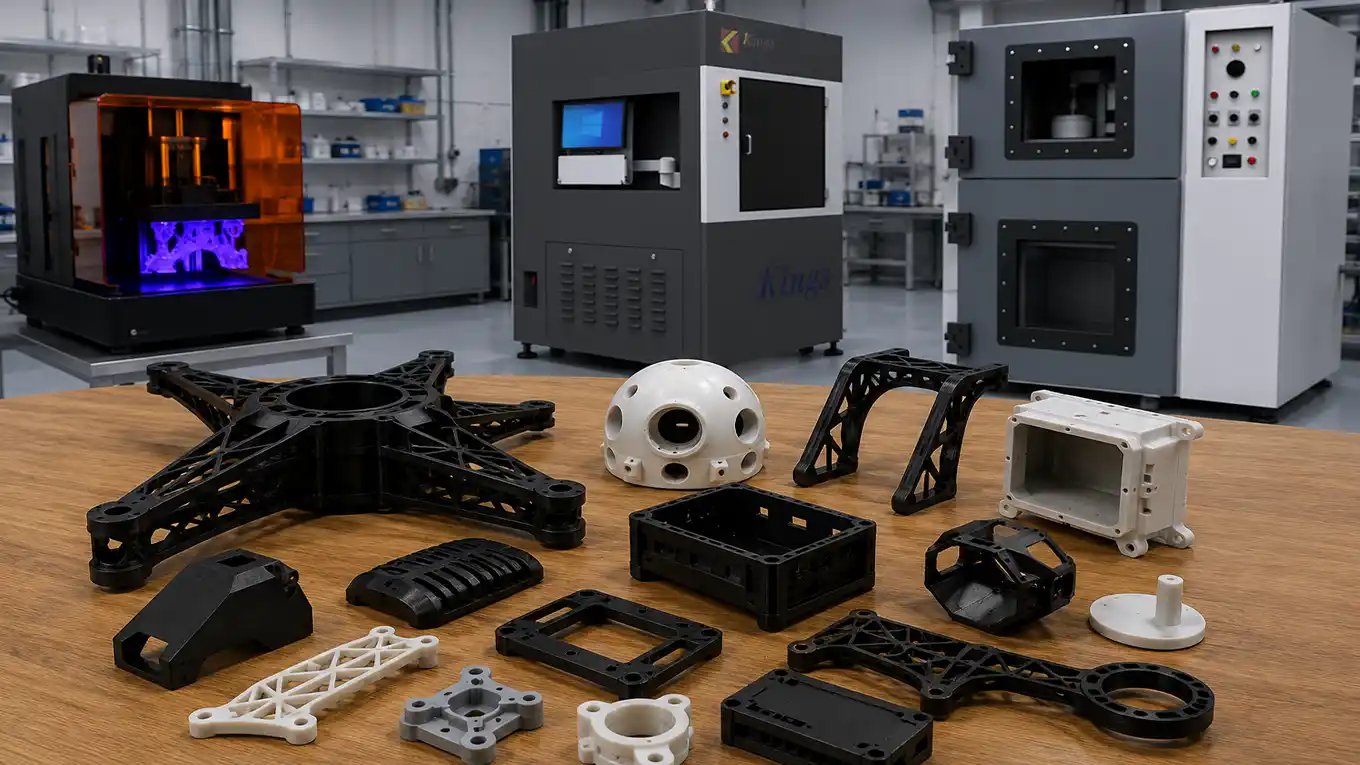
3D printing and vacuum casting helps drone manufacturers build lighter, stronger, and more efficient components. It supports faster testing, easier design updates, and practical production without tooling delays.
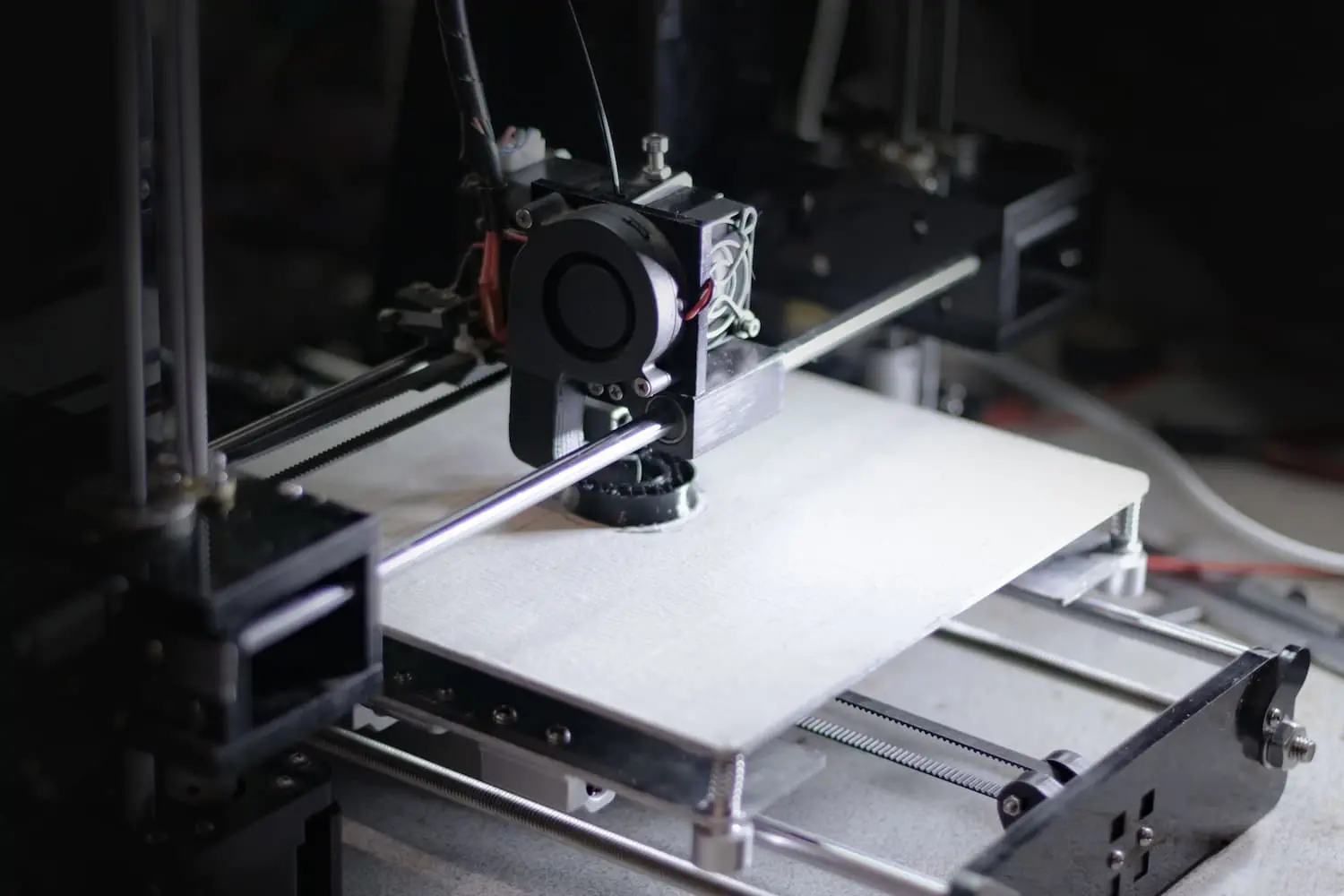
Reduce weight by 30-50% to extend flight time

Faster prototyping supports quick testing and design changes

Complex shapes improve performance and reduce part count
Combine multiple components into one functional part
Custom designs match specific drone mission requirements
No tooling costs during development and testing stages
Strong materials support real-world operating conditions
Drone manufacturers need practical ways to control costs while reducing costs and accelerating product iterations. 3D printing helps reduce development expenses and supports faster testing, design updates, and production planning.
Removes tooling expenses during early design and prototype development stages
Reduces material usage compared to traditional manufacturing methods
Supports custom parts and low-volume production requirements
Detects fitment and assembly issues before production begins
Makes design changes easier throughout product development
Speeds up testing, validation, and engineering reviews
Design Roots offers advanced 3D printing solutions in India to support drone and UAV design, testing, and low-volume manufacturing.
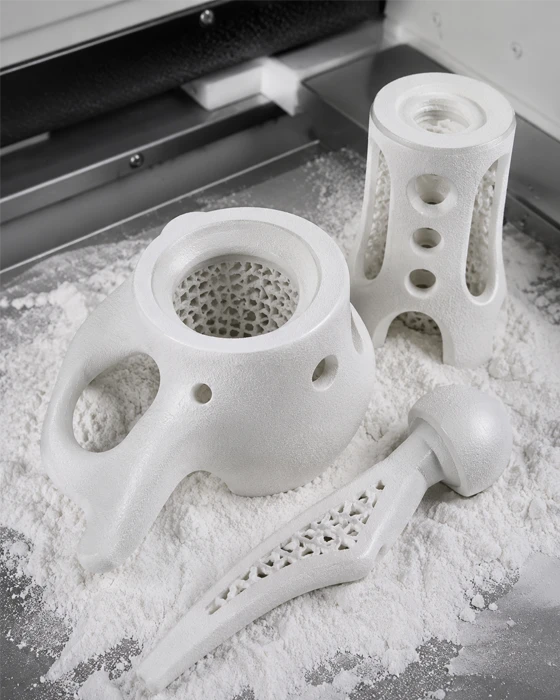
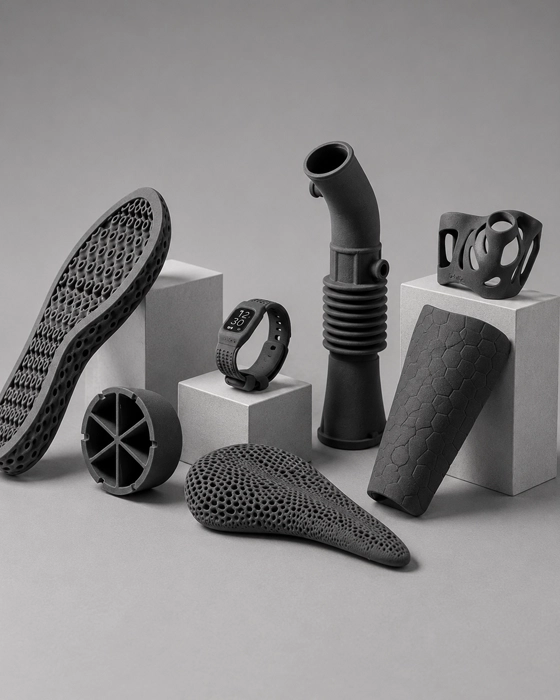
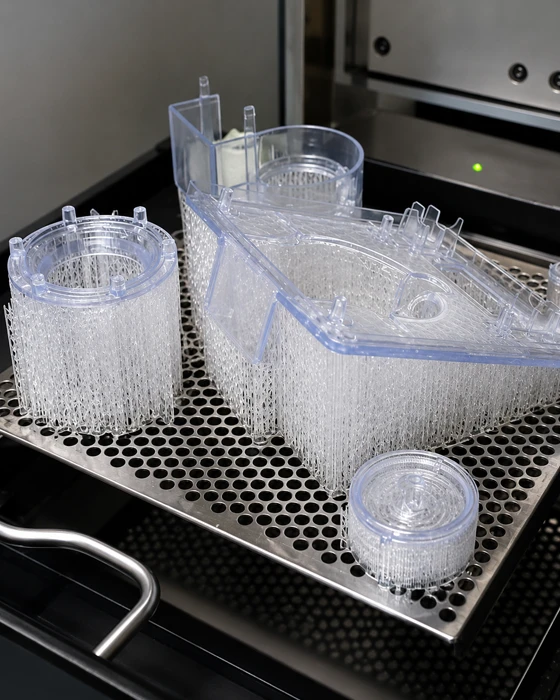
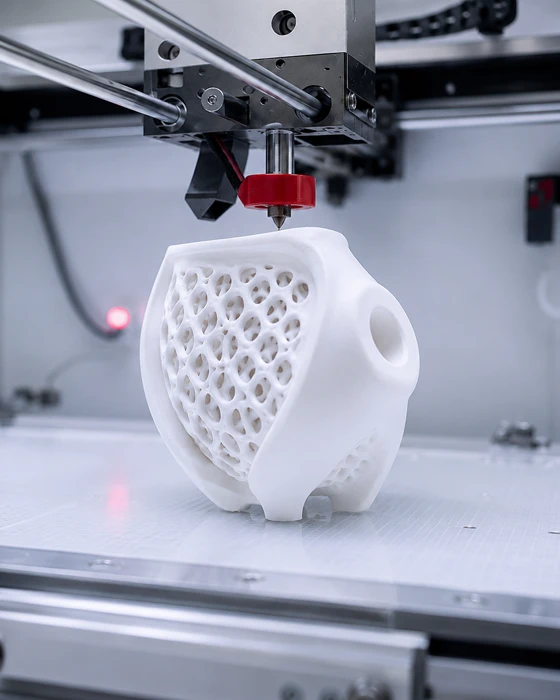
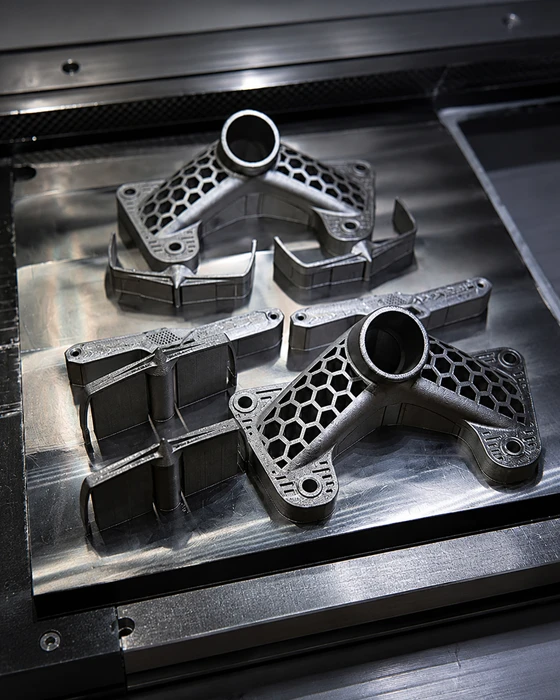
Design Roots combines advanced 3D printing and vacuum casting to support drone prototype development and small production. We create silicone molds from high-accuracy master patterns and cast polyurethane parts for functional testing, design validation, and limited manufacturing. This process delivers consistent part quality, smooth surface finishes, and a practical solution for UAV projects without investing in expensive production tooling.
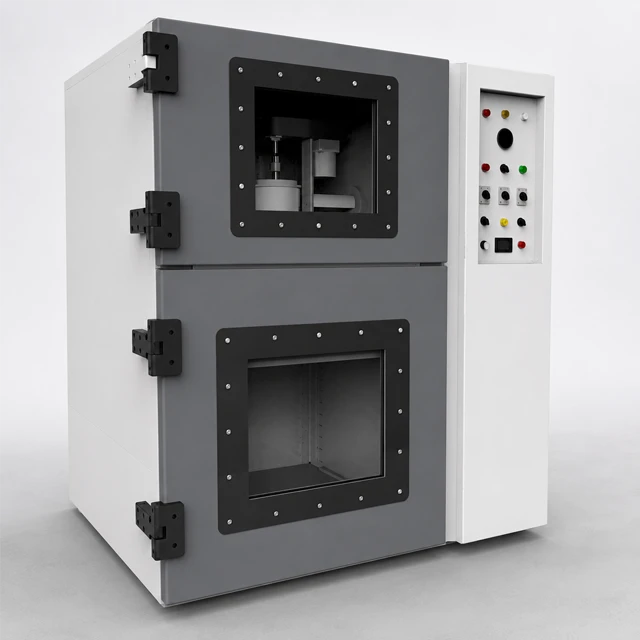
Drone and UAV manufacturers use 3D printing to speed up product development, reduce weight, improve testing, and support custom applications.
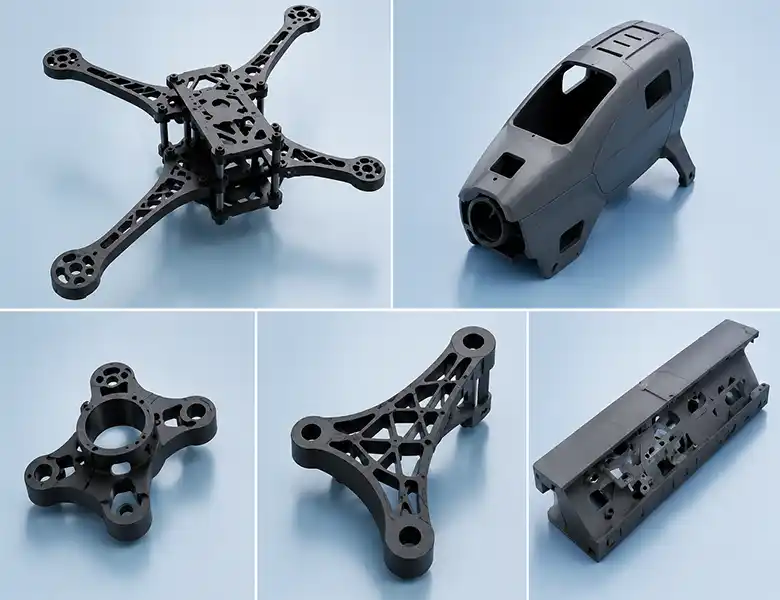
3D printing helps create lightweight structures while maintaining strength and performance.
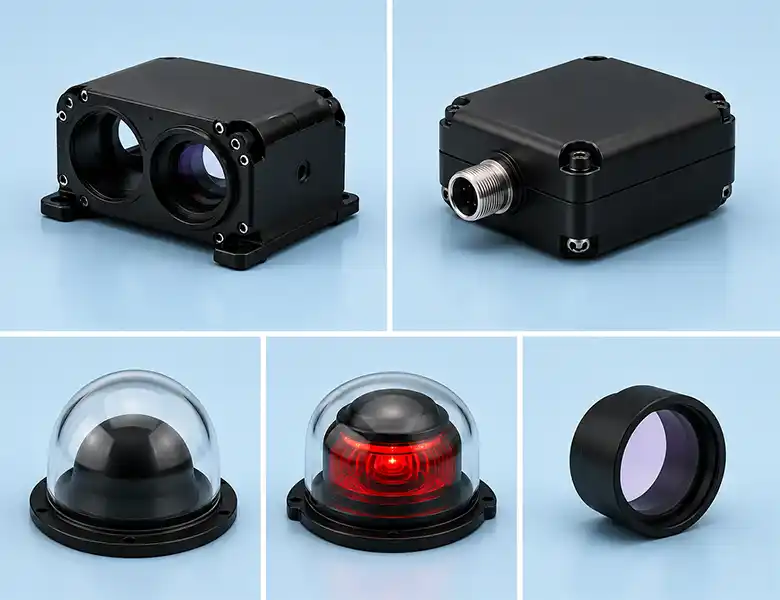
Modern UAVs rely on cameras and sensors for navigation, inspection, mapping, and surveillance.
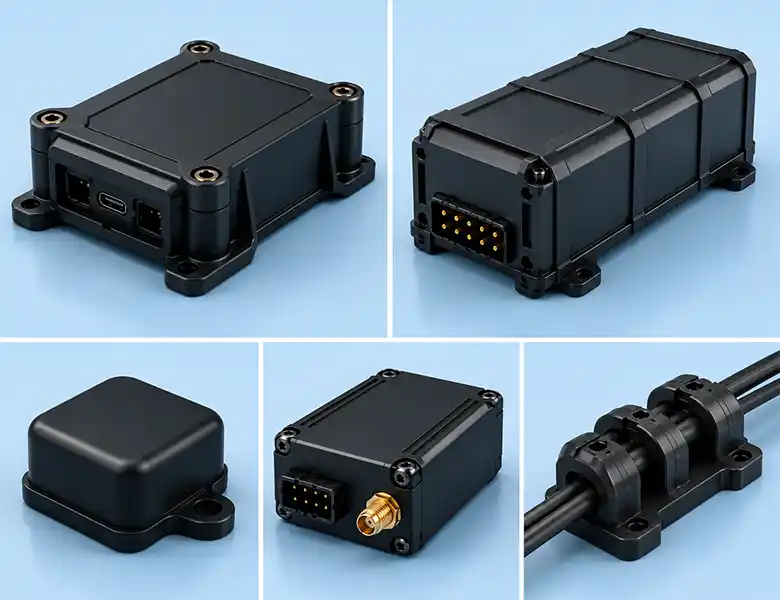
Drone electronics require compact and reliable packaging solutions.
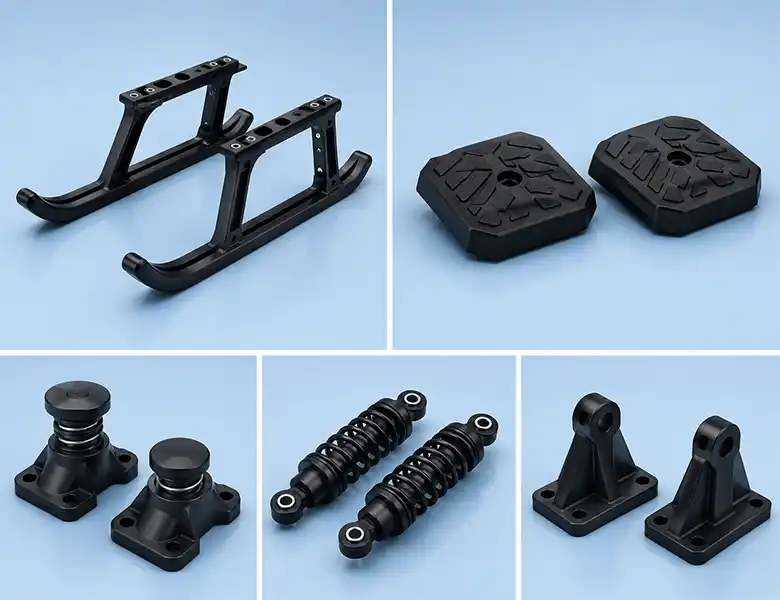
Landing systems need to absorb impact while protecting critical components.
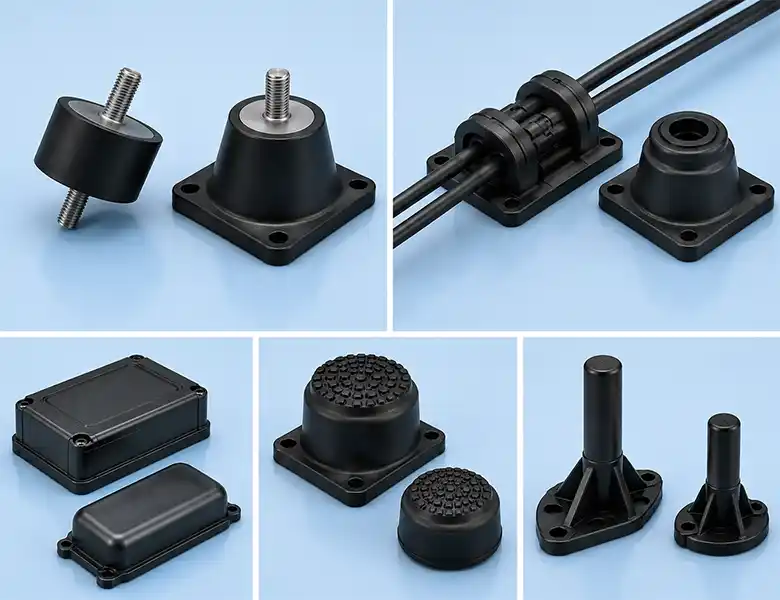
Flexible materials help reduce vibration and protect sensitive electronics during flight.
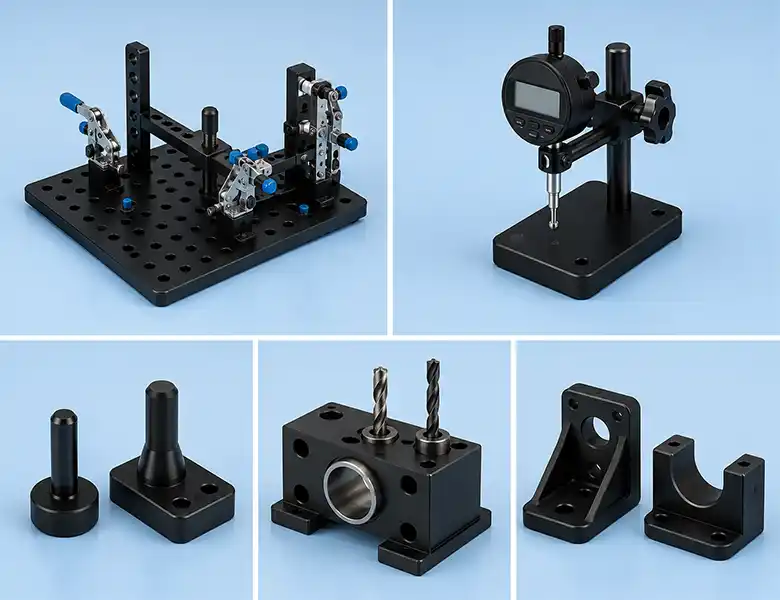
Manufacturing teams use 3D printing to improve assembly and inspection processes.
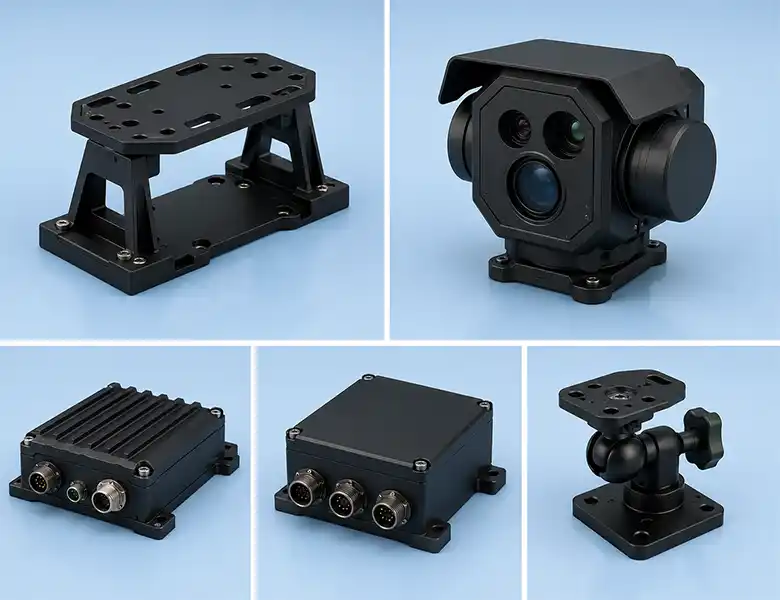
Industrial and defense projects often require specialized components and rapid development support.
| UAV Segment | Key Applications | 3D Printing Benefits | Vacuum Casting Benefits |
|---|---|---|---|
| Consumer Drones | Frames, camera housings, prop guards | Faster product development, lower costs | Production-like housings for small batch runs |
| Industrial UAVs | Sensor mounts, inspection housings | Reliable field testing, durability | Consistent part quality for field validation |
| Agricultural Drones | Spray systems, tanks, brackets | Reduced development cycles, lightweight | Low-volume tank and bracket production |
| Defense UAVs | Mission payload mounts, enclosures | Rapid prototyping and mission customization | Small batch enclosures for mission testing |
| Survey & Mapping Drones | Camera systems, LiDAR covers | Accurate sensor integration, precision | Smooth surface covers for optical components |
| Racing Drones | Lightweight frames, aerodynamic parts | Faster performance upgrades, and 30–70% weight reduction | Aerodynamic shell production for race-ready units |
| Delivery Drones | Payload bays, locking mechanisms | Custom capacity, secure transport | Functional payload bays for pilot production |
We support from early concept to functional prototype, covering airframes, enclosures, electronics housings, and custom UAV assemblies.
Support UAV flight testing through fast prototype production and design improvements.
We optimize drone parts for weight reduction without compromising structural performance, supporting better flight time and payload capacity.
Access suitable printing methods for structural, functional, visual, and testing requirements.
We advise on materials suited to outdoor exposure, vibration, and operational stress specific to drone environments.

Deliver accurate UAV components for reliable assembly, testing, product validation and integration.
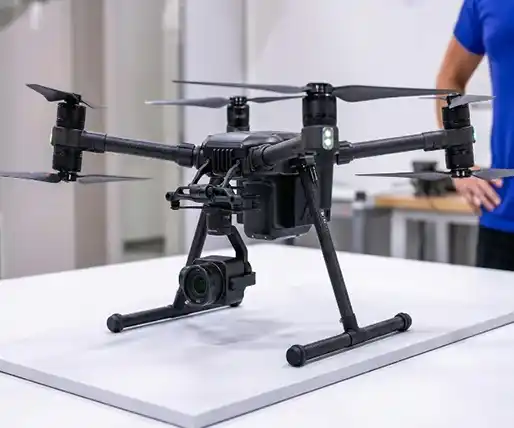
We assess payload weight, flight conditions, material needs, and durability requirements.
We prepare and optimize CAD files to ensure dimensional accuracy during printing.
We check wall thickness, material strength, fitment accuracy, and print orientation before manufacturing.
We select suitable printing technology based on application and component requirements.
We clean, smooth, assemble, and finish parts for the intended project needs.
We inspect completed parts carefully before packaging and to guarantee quality and consistency.


Upload your CAD files or project drawings for a technical review. Our team will recommend suitable materials and 3D printing technologies for your UAV application. Start building accurate drone prototypes and functional parts with faster turnaround and practical manufacturing support.
The future of drone and UAV manufacturing depends on 3D printing for faster product development and better design flexibility. As drone technology grows, manufacturers will need lighter parts, quick design updates and reliable prototype testing. Advanced materials and additive manufacturing will continue to support these changing requirements and reduce development time.
In India, the growing drone sector is creating more demand for local 3D printing and vacuum casting services. These technologies help manufacturers produce custom parts, validate new designs, and support low-volume production with greater speed. This approach allows companies to improve products faster and respond quickly to changing market requirements.