Project Requirement Review
We understand part function, material needs, dimensions, and robotics application requirements.

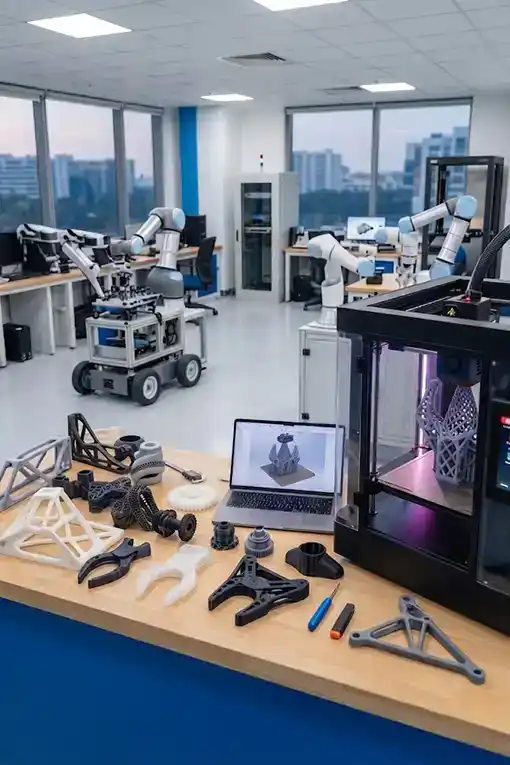
Robotics development depends on fast testing, precise engineering, and continuous design improvements. Teams often test new ideas, verify movement, reduce weight, and improve performance before production. Design changes can happen many times during development, and traditional manufacturing may slow progress because tooling requires extra time and cost. 3D printing delivers accurate parts, allowing engineers to evaluate designs, make improvements, and accelerate project timelines. It also supports faster testing of assemblies, fitment, and function before final manufacturing decisions are made.
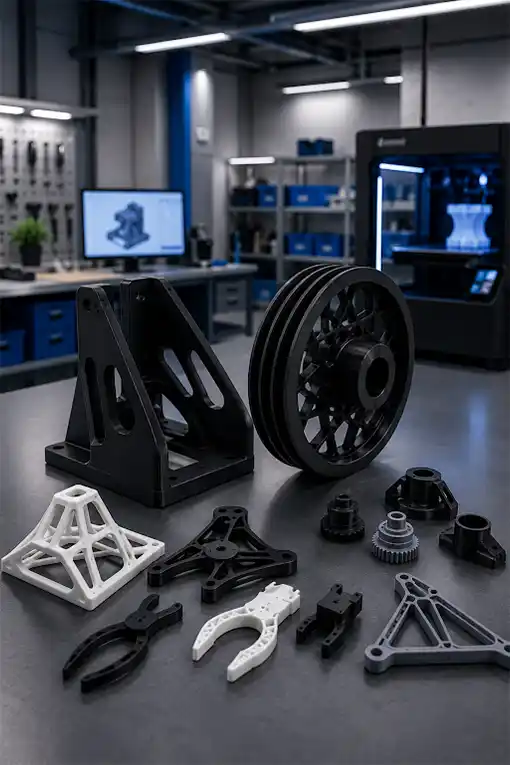
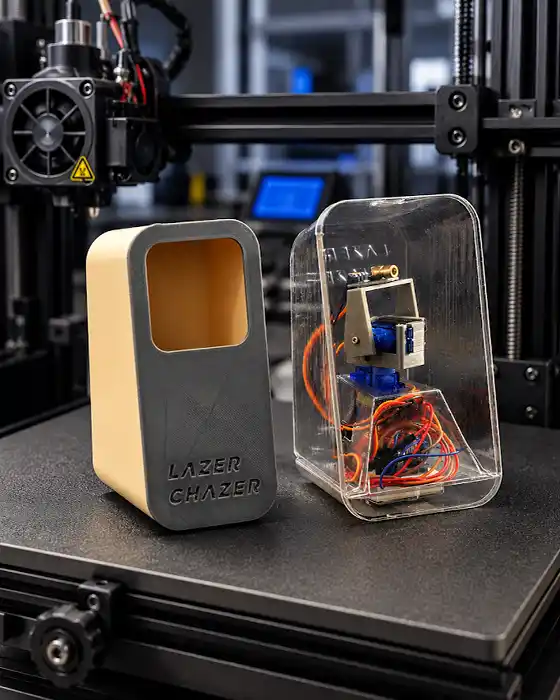
Design Roots provides robotics 3D printing services for automation companies, robotics startups, research centers, educational institutions, and product developers across India from Bangalore and Chennai to Hyderabad, Pune, Mumbai, and Delhi NCR. We print robotic arm parts, grippers, sensor housings, brackets, enclosures, and functional prototypes with high accuracy. For projects that need multiple units, we also offer vacuum casting for low-volume production. Our services help teams validate designs, improve functionality, and prepare products for real-world testing.
 Precision Guaranteed
 Fast Turnaround
 Industry Trusted
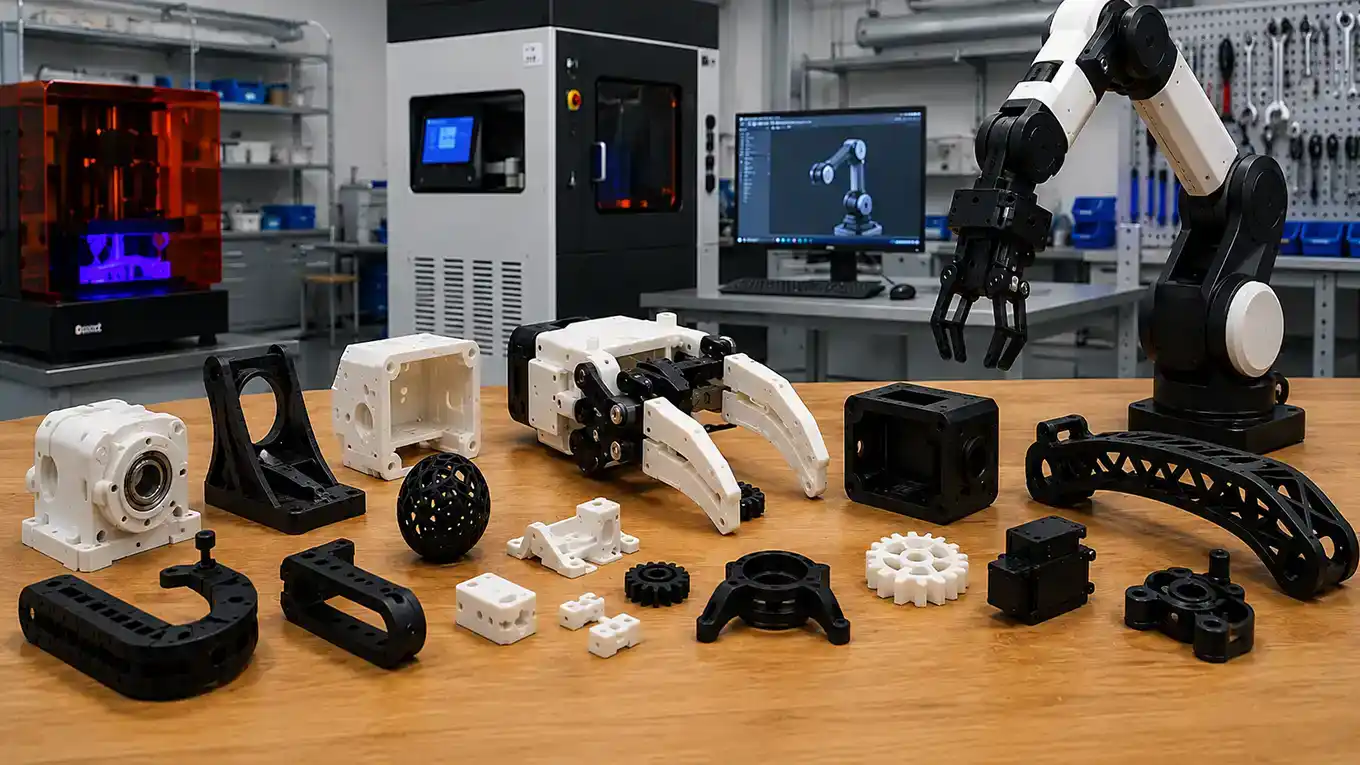
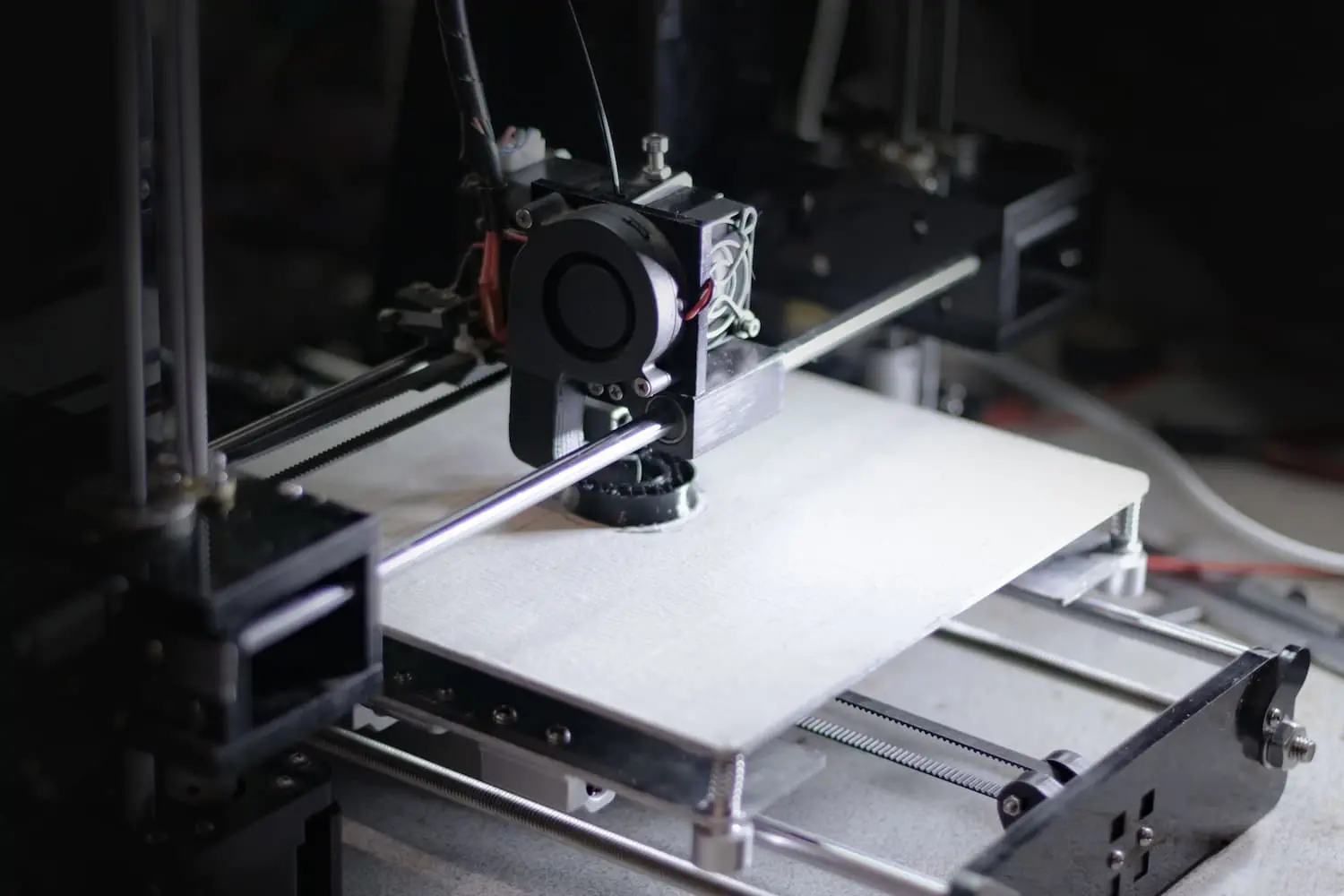
Robotics development often involves repeated testing, design updates, and performance improvements. Teams must verify movement, fit, and assembly early in production. 3D printing speeds development and supports design validation.
Rapid prototyping without delays
Quick design changes during development

Complex shapes improve performance and reduce part count

Lightweight components for improved robot movement
Functional prototypes for testing and validation
Custom components for unique robotic systems
3D printing helps robotics teams control development costs while improving speed and flexibility. Engineers can test designs, make improvements, and validate assemblies without investing in expensive production tooling.
Reduce prototyping costs with faster development
Minimise material waste during manufacturing processes
Support low-volume production without tooling investment
Identify design issues before production starts
Enable faster design revisions and improvements
Bring robotics products to market faster
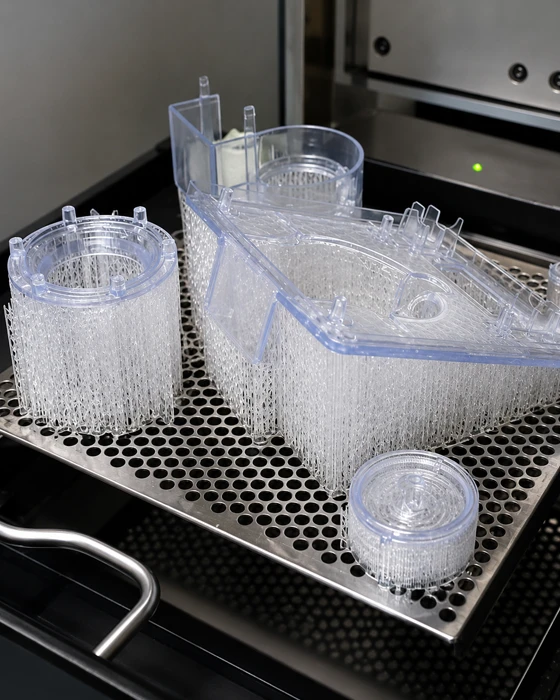
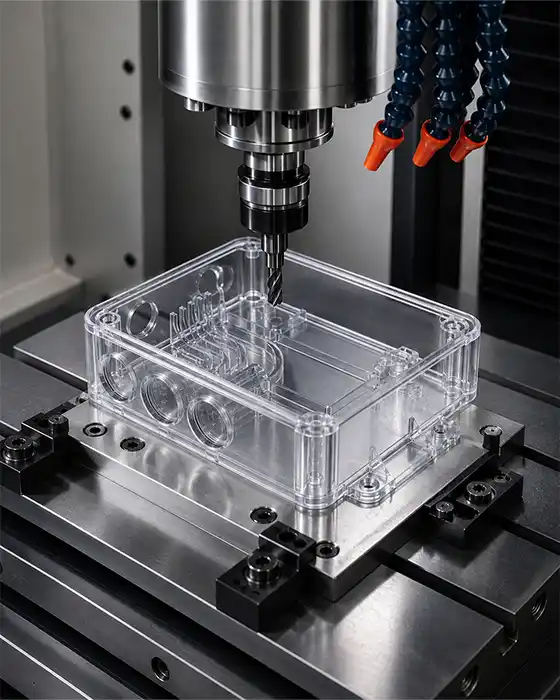
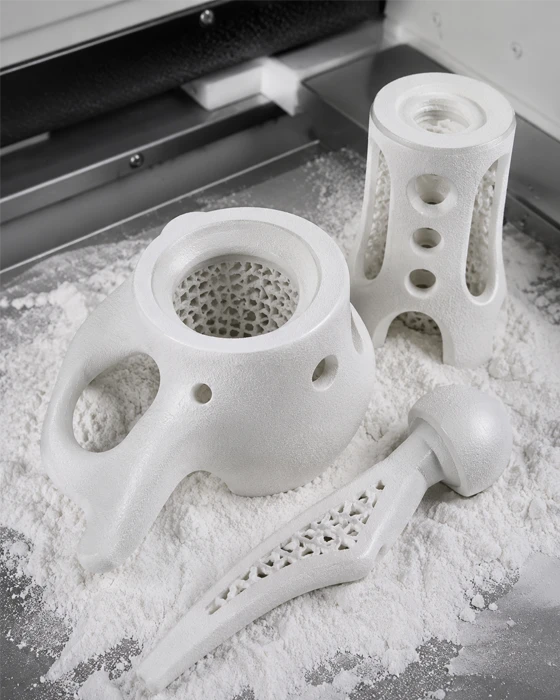
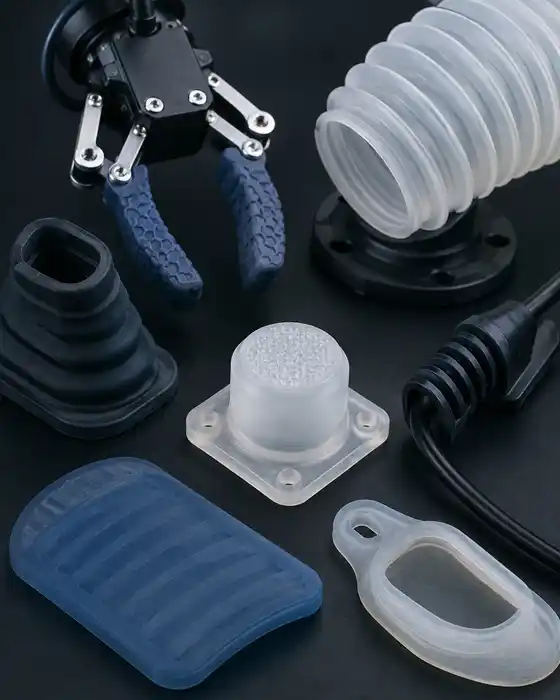
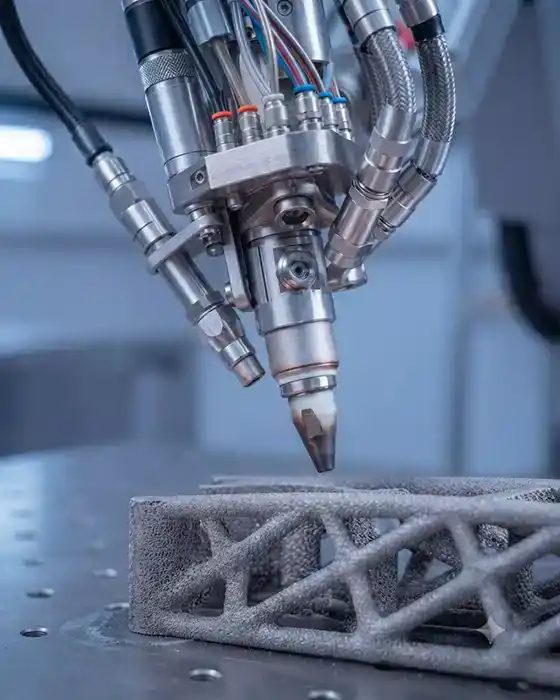
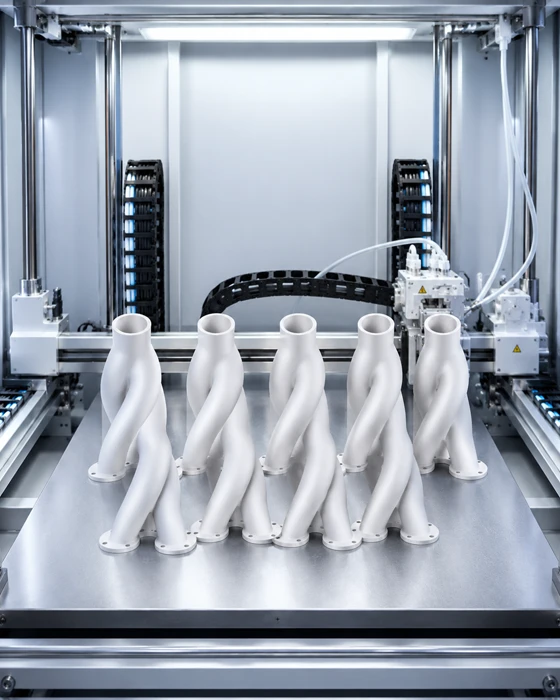
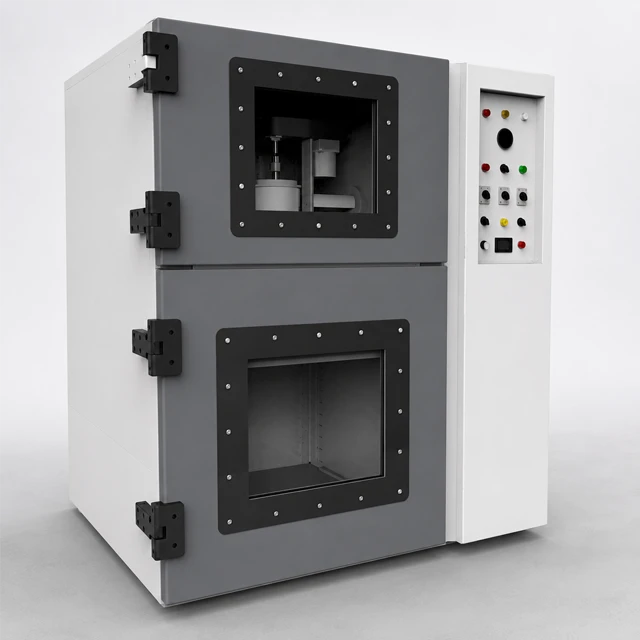
Design Roots supports robotics development through a combination of 3D printing and vacuum casting. We use silicone molds and polyurethane materials to produce small batches of quality parts. This helps robotics companies create components for testing, validation, and pilot builds. It bridges the gap between prototype and production.
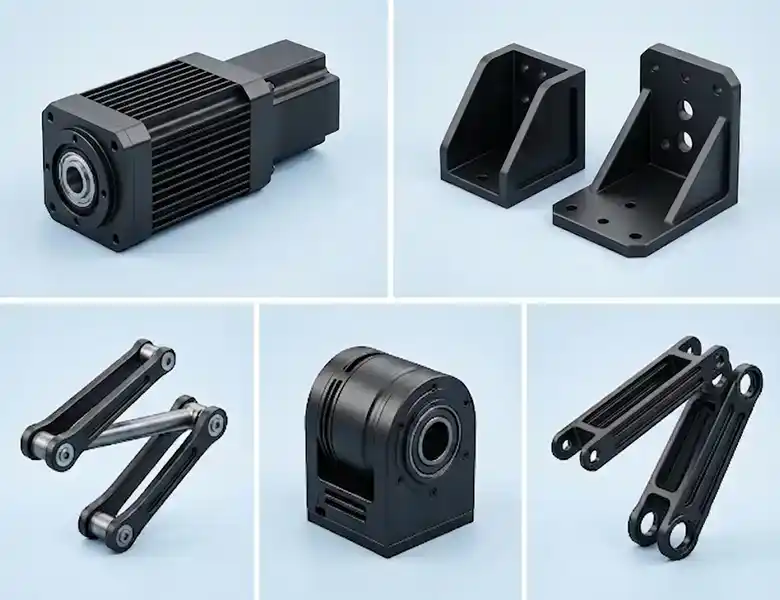
3D printing supports faster robotics development and testing. It helps create prototypes, validate designs, and manufacture custom components.
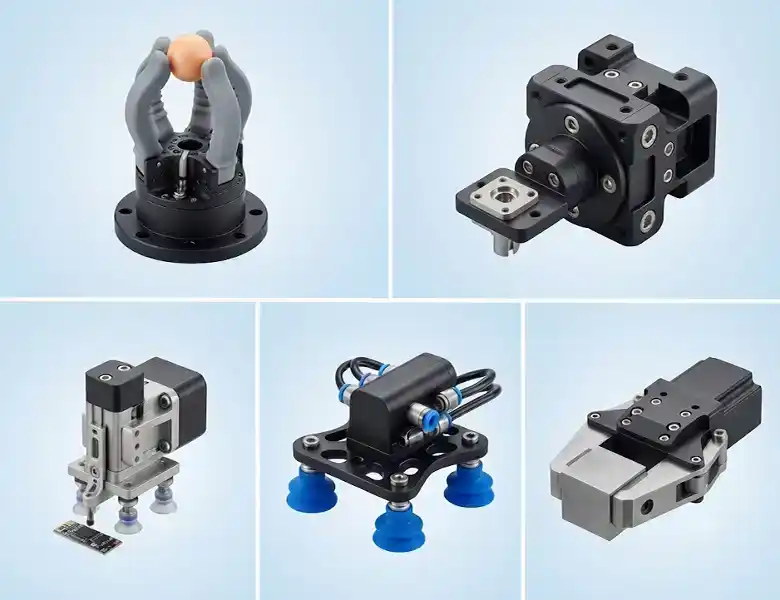
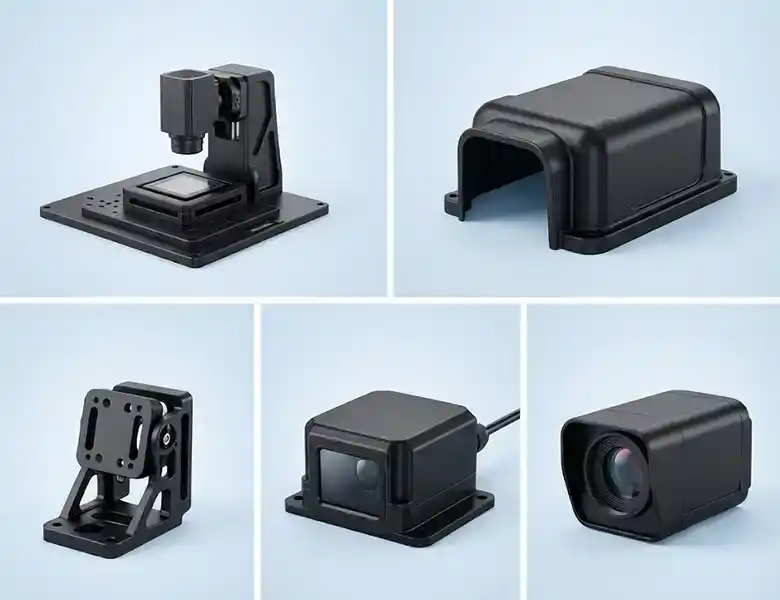
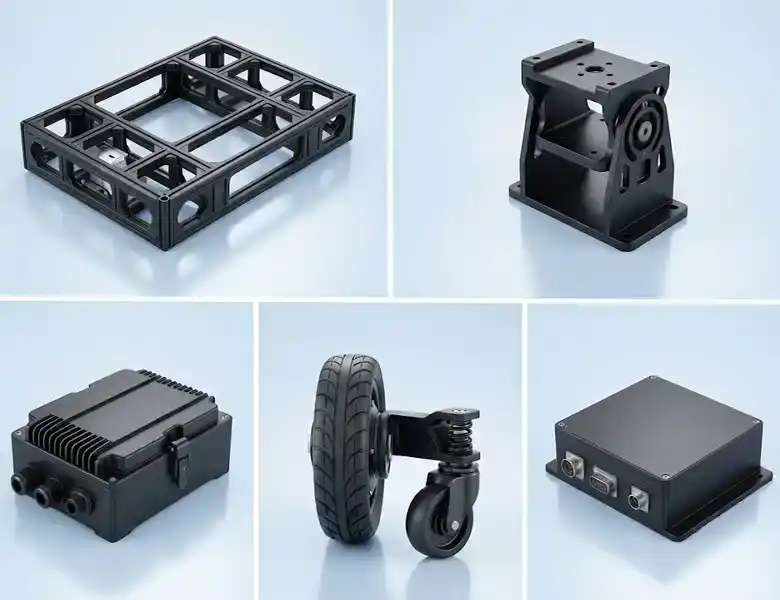
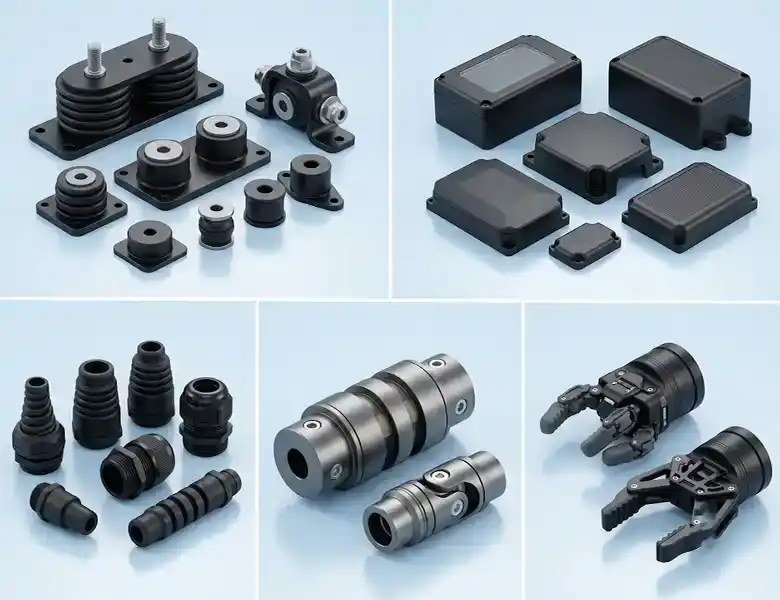
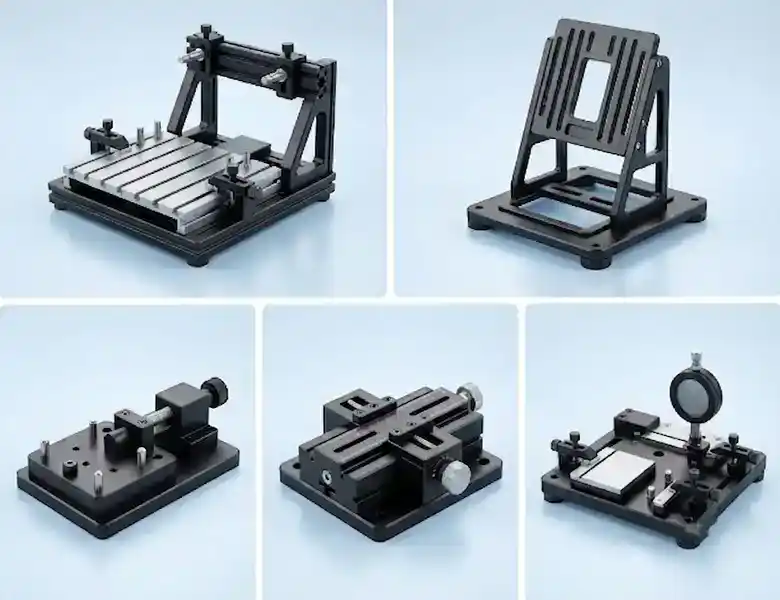
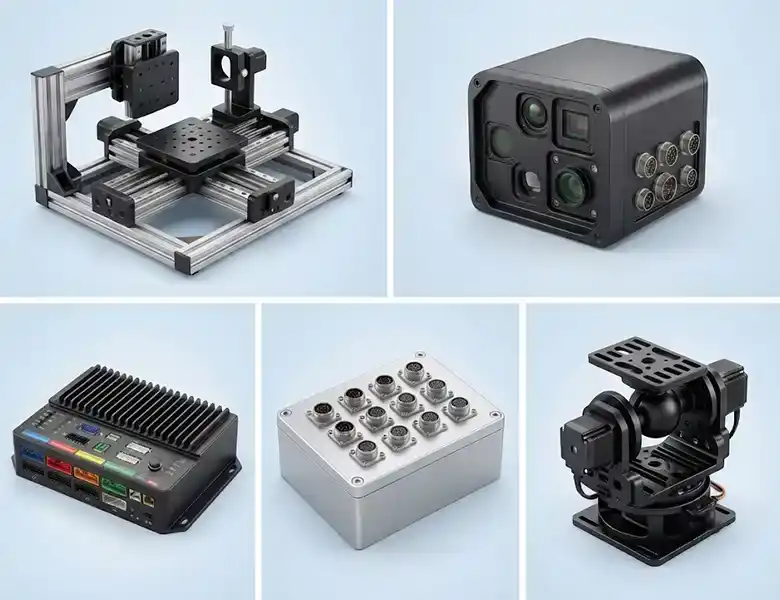
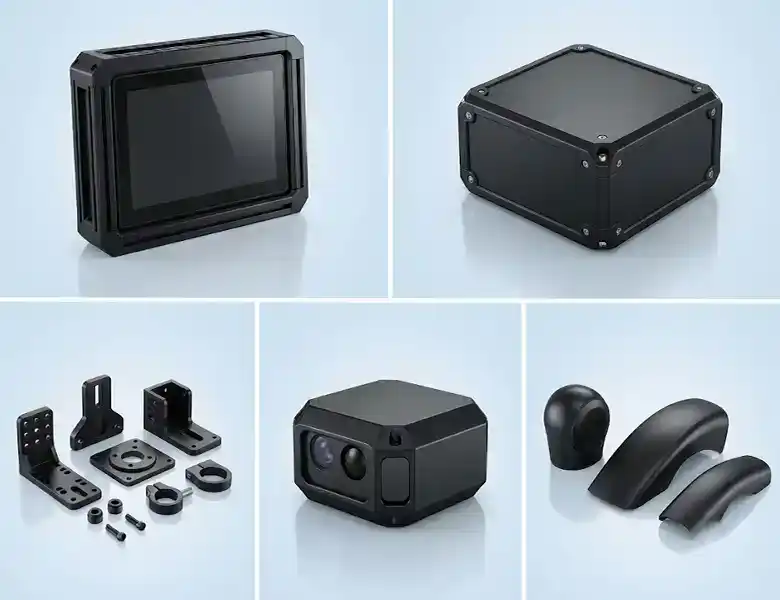
| Robotics Segment | Key Applications | Industry Value |
|---|---|---|
| Industrial Robotics | Robotic arms, grippers, brackets, end effectors, assembly tools | Faster product development and functional testing |
| Warehouse Automation | AGV parts, battery housings, navigation mounts, protective covers | Improved efficiency and quicker deployment |
| Service Robotics | Body panels, sensor housings, enclosures, custom accessories | Faster design updates and product customisation |
| Humanoid Robotics | Joint covers, structural parts, exterior panels, sensor enclosures | Lightweight components and rapid prototype validation |
| Medical Robotics | Precision housings, surgical robot parts, sensor mounts, custom fixtures | Accurate development and faster testing cycles |
| Educational Robotics | Learning kits, competition robots, prototype assemblies, research projects | Affordable prototyping and easy design improvements |
| Research and Development | Experimental systems, robotic mechanisms, test components, custom assemblies | Faster innovation and flexible product development |
| Agricultural Robotics | Sensor housings, equipment covers, robotic attachments, mounting systems | Reliable field testing and rapid design refinement |
| Inspection and Surveillance Robotics | Camera mounts, protective housings, sensor covers, mobile robot parts | Better equipment integration and faster validation |
We manufacture accurate robotics parts with tight tolerances for dependable assembly, testing, and long-term performance.

Quick part production helps robotics teams test designs, improve performance, and shorten development time efficiently.
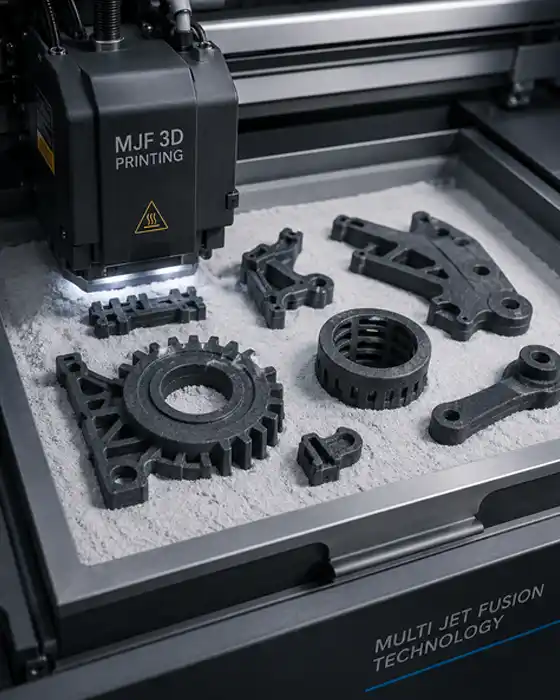
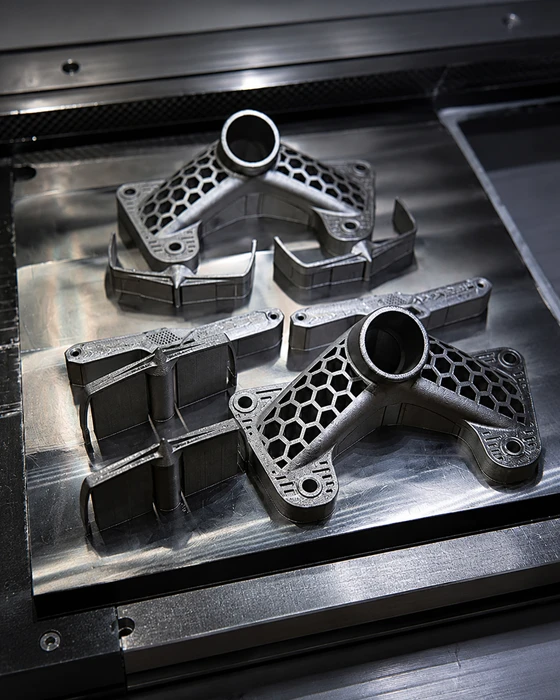
SLA, SLS, FDM, and DMLS technologies support diverse robotics applications with suitable material options.
We create custom robotics parts that match application needs, functional requirements, and product design goals accurately.
Our team supports robotics projects from prototype development through low-volume manufacturing with consistent quality.

We manufacture grippers and robotics parts using materials selected for strength, flexibility, and application needs.
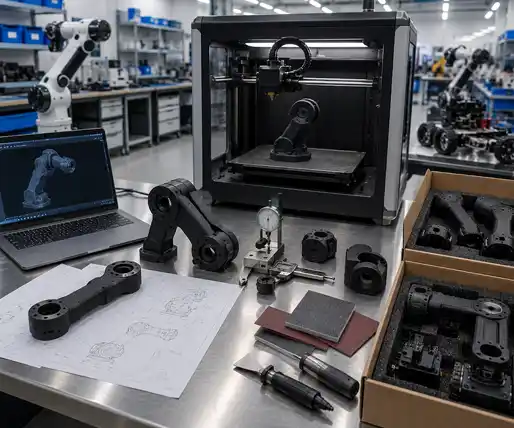
We understand part function, material needs, dimensions, and robotics application requirements.
Our team reviews CAD files and prepares models for accurate printing.
We check wall thickness, material strength, fitment accuracy, and print orientation before manufacturing.
We verify fit, strength, assembly, and performance before production begins.
Suitable printing technology is selected based on application, material, and purpose.
Parts undergo cleaning, finishing, and surface preparation based on project needs.
Each component is inspected carefully before packaging and secure final delivery.


Request a free quote for your robotics component. Share your CAD file or project brief and we'll recommend the right material and printing process.
India's robotics industry is growing quickly in manufacturing hubs like Bangalore, Chennai, and Pune, and in logistics, farming, and healthcare applications across Hyderabad, Mumbai, and Delhi NCR. 3D printing is becoming an important part of this growth. Robotics startups use it to build prototype parts, like grippers and structural frames, without spending a lot of money on expensive molds. Larger automation companies use it for custom tools and small-batch specialty parts.
As new materials that are both flexible and heat-resistant become available, more robotics companies will start using 3D printing not just for prototyping, but also for producing functional parts in small volumes.