Requirement Review
We review product goals, operating conditions, and enclosure needs before design.

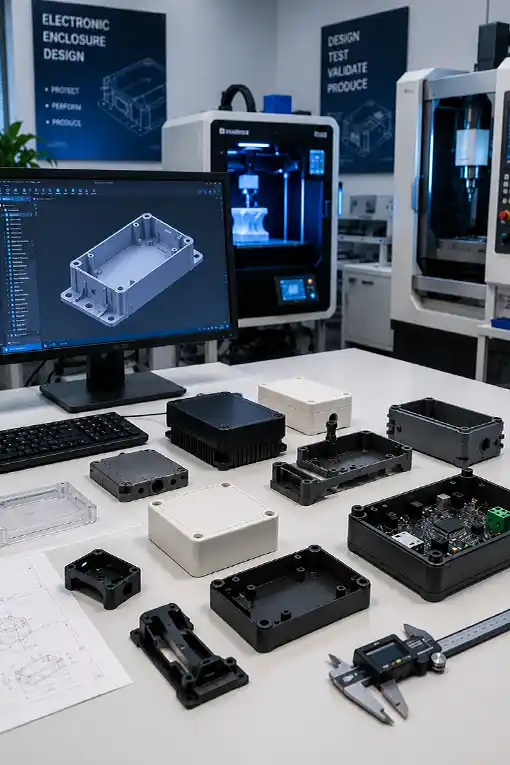
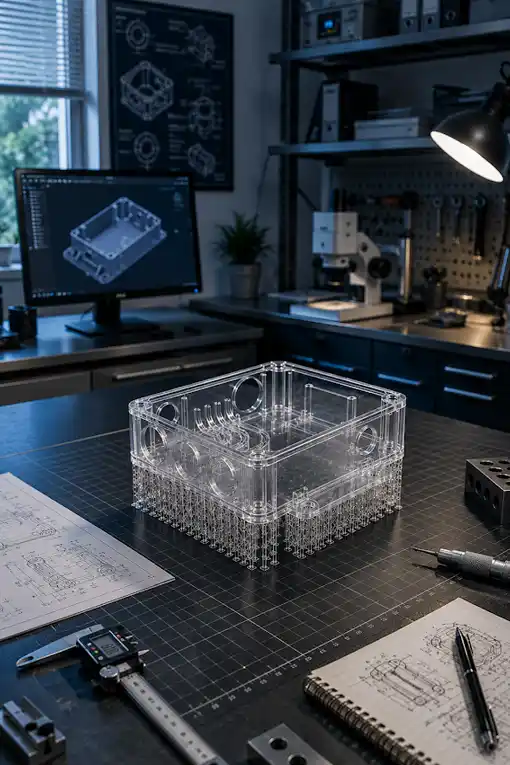
Plastic enclosures protect internal components, support product usability, and shape a product’s look and feel. Whether they house electronics, mechanical parts, or other products, enclosure prototyping provides early design checks to help avoid costly rework during tooling. Plastic enclosure prototyping helps to test fit, strength, size, and appearance before production. This process also helps identify design issues early and supports better decisions before moving to manufacturing.
Design Roots provides custom plastic enclosure prototyping services across India, including Bangalore, Chennai, Hyderabad, Mumbai, Pune, and Delhi NCR. We develop enclosures for consumer products, industrial equipment, electronic devices, and mechanical assemblies. Our team uses 3D printing, vacuum casting, and CNC machining to create prototypes based on project needs. We focus on fit, material selection, manufacturability, and finish quality. This helps test the physical design, make informed changes, and move from concept to pilot production with fewer issues.
 Precision Guaranteed
 Fast Turnaround
 Industry Trusted
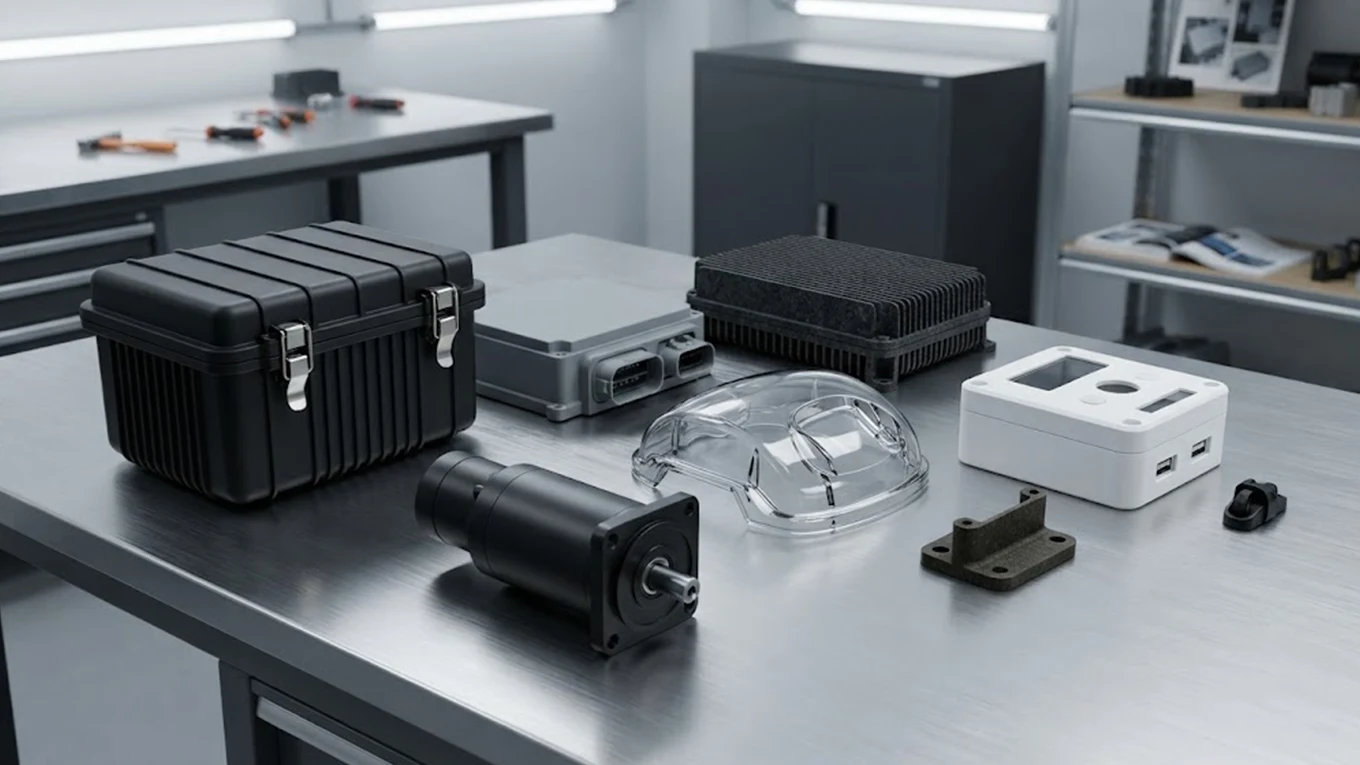
A plastic enclosure prototype confirms whether the planned design works with real parts. It helps teams check assembly steps and mounting details. Early testing can prevent costly tooling changes later.
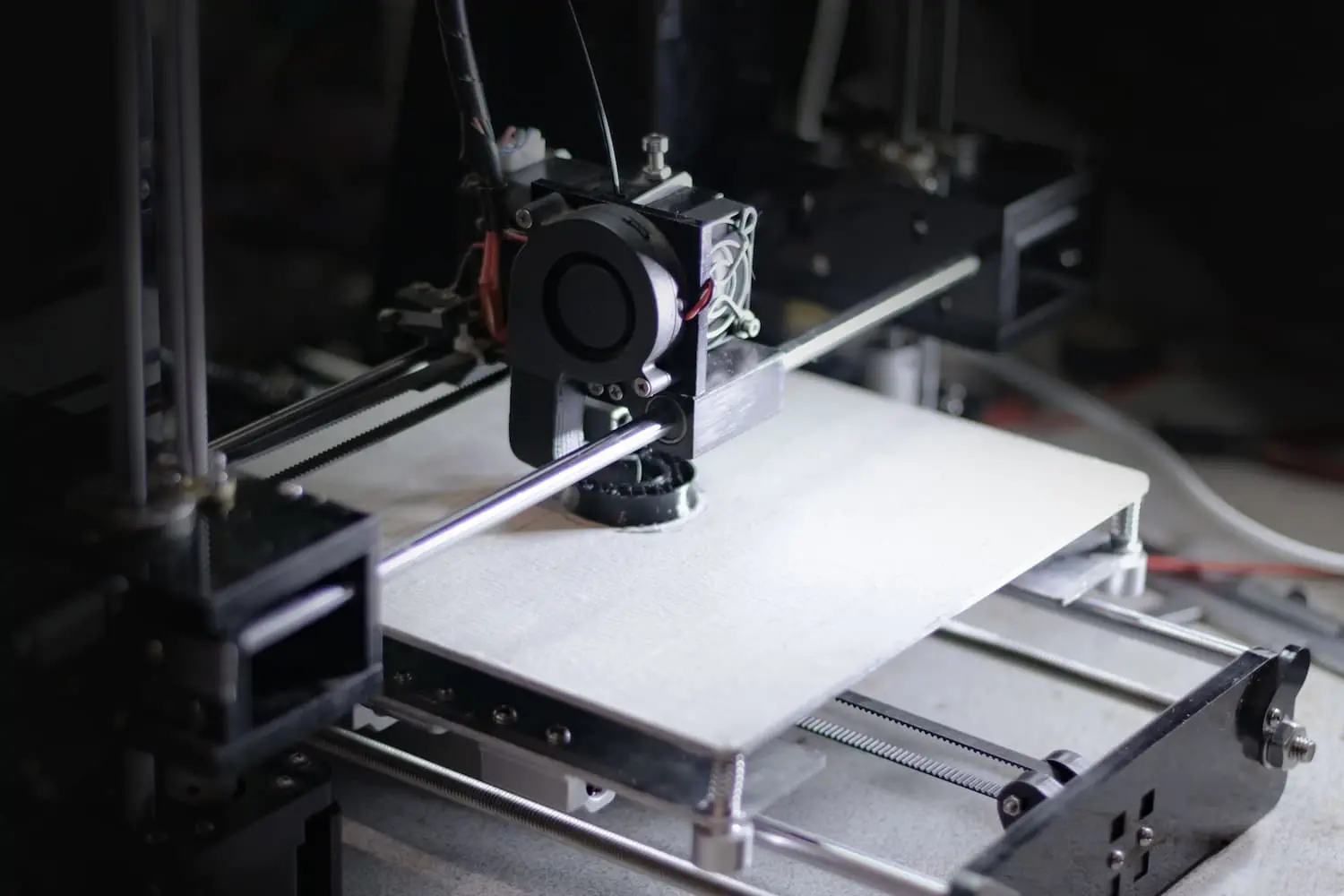

Check component fit within the enclosure

Confirm accurate PCB placement inside housing

Assess comfort, handling, and product usability
Find design problems before production starts

Validate snap-fits, hinges, and fastener positions before tooling

Review product appearance, shape, and finish
Plastic enclosure prototypes help reduce development costs by testing fit, assembly, and design issues before investing in molds and tooling.
Reduce mold changes before production begins
Check enclosure fit with actual components
Test assembly points before tooling starts
Confirm wall thickness and mounting features
Identify manufacturing issues at an early stage
Limit material waste during product development
Material selection affects enclosure strength, flexibility, finish, heat resistance, and cost. We choose materials based on the prototype’s function and production requirements.
ABS: Offers good impact resistance and supports smooth finishing for consumer product housings.
Polycarbonate (PC): Provides high strength and heat resistance for durable enclosure prototypes.
PC/ABS Blend: Combines strength and finish quality for production-ready enclosure prototypes.
Polypropylene (PP): Provides flexibility and chemical resistance for snap-fit parts and living hinges.
Nylon (PA): Handles wear and loads well in mechanical enclosure applications.
TPU: Provides flexible, rubber-like properties for seals, grips, and soft enclosure sections.
We select prototype materials that closely match final production materials for reliable testing results.
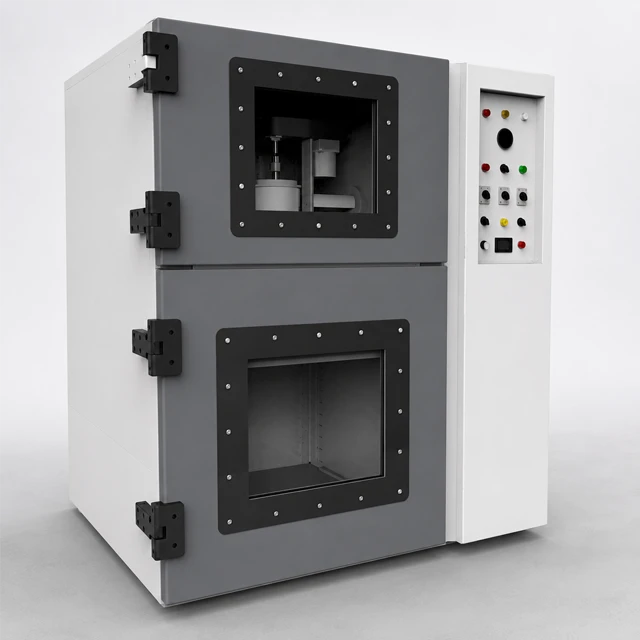
Plastic enclosures need careful design before moving from prototypes to injection molding. We check key features early to reduce tooling problems, part defects, and costly changes.
Maintain even wall thickness to reduce warping and sink marks.
Add draft angles to support clean part removal from molds.
Place ribs and bosses carefully for strength and material control.
Test snap-fits and living hinges for repeated use.
Plan gate and parting-line locations around visible surfaces.
Check tolerance stack-ups to ensure proper part fit after assembly.
DFM checks also prepare enclosure designs for vacuum casting and CNC machining before injection molding.
We use different methods to build accurate plastic enclosure prototypes. Each method supports specific testing and production needs.
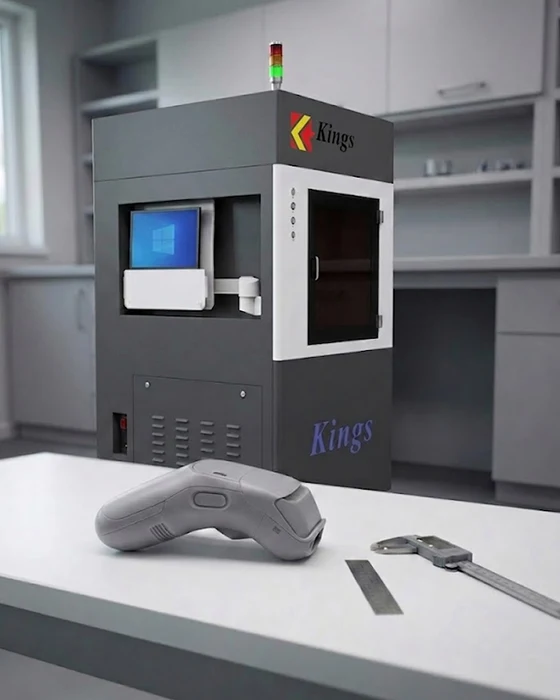
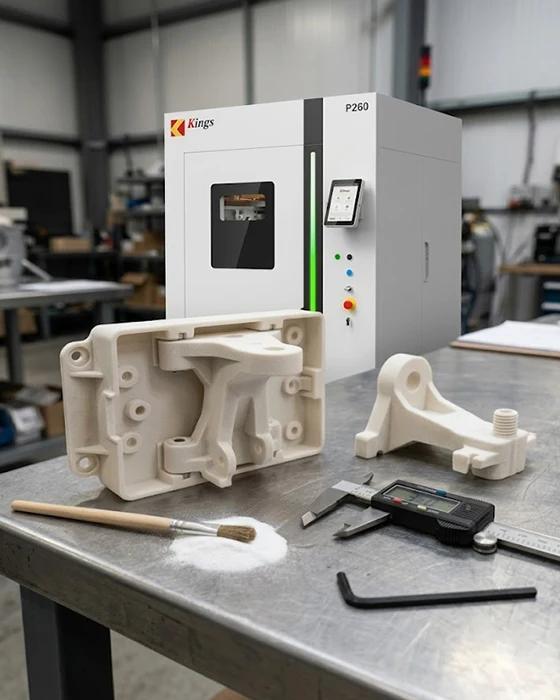
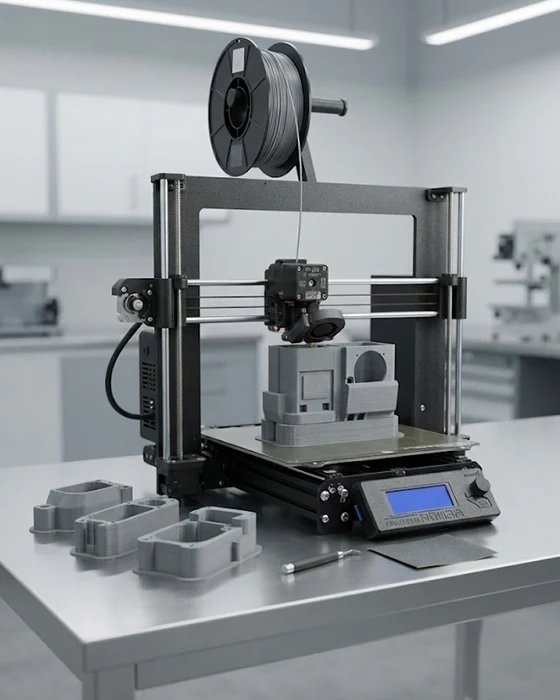
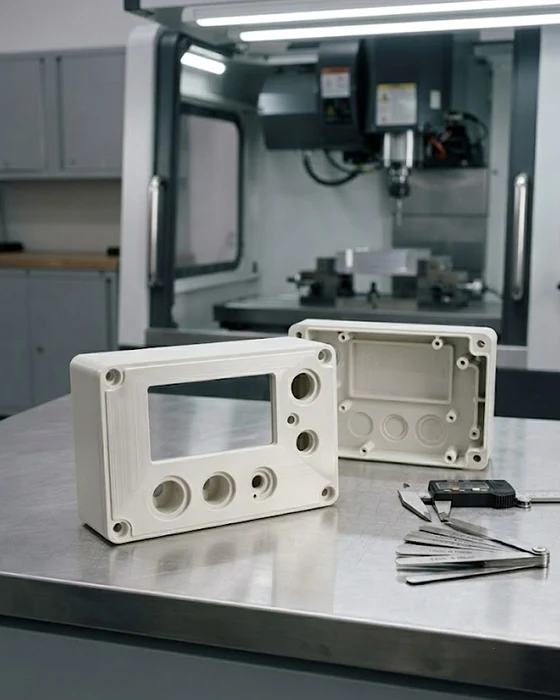
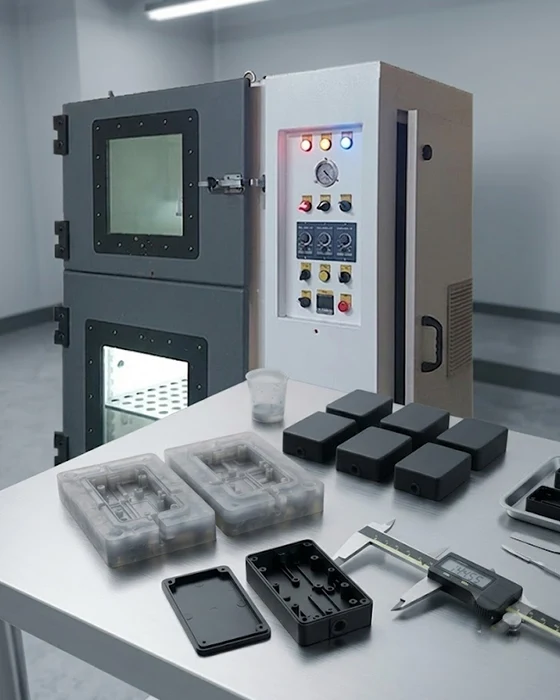
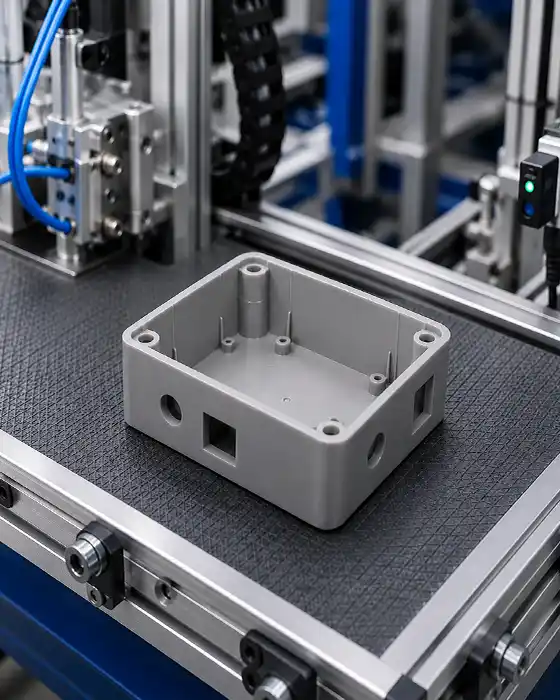
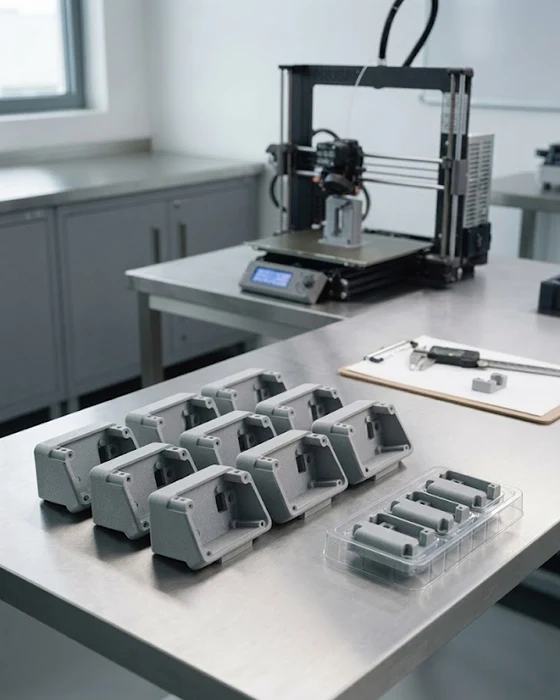
Each product needs an enclosure suited to its design, parts, and assembly process. Our prototypes help teams check fit, function, and usability.
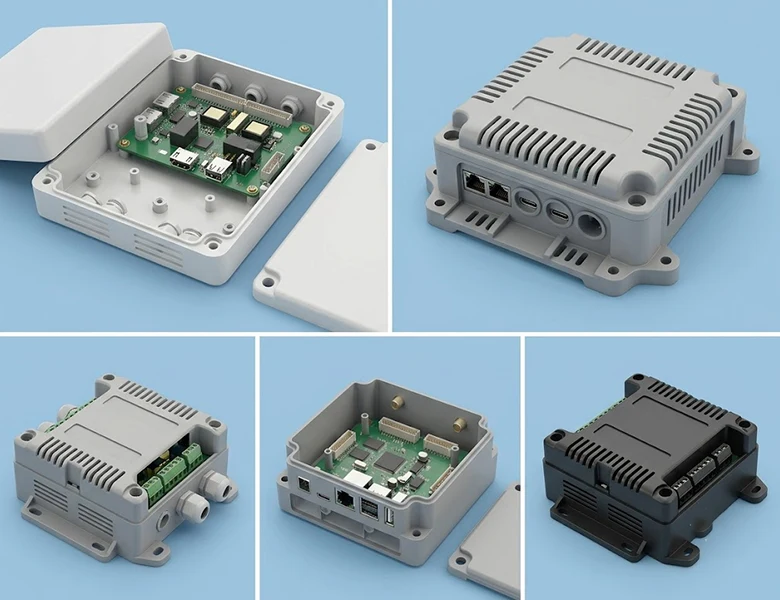
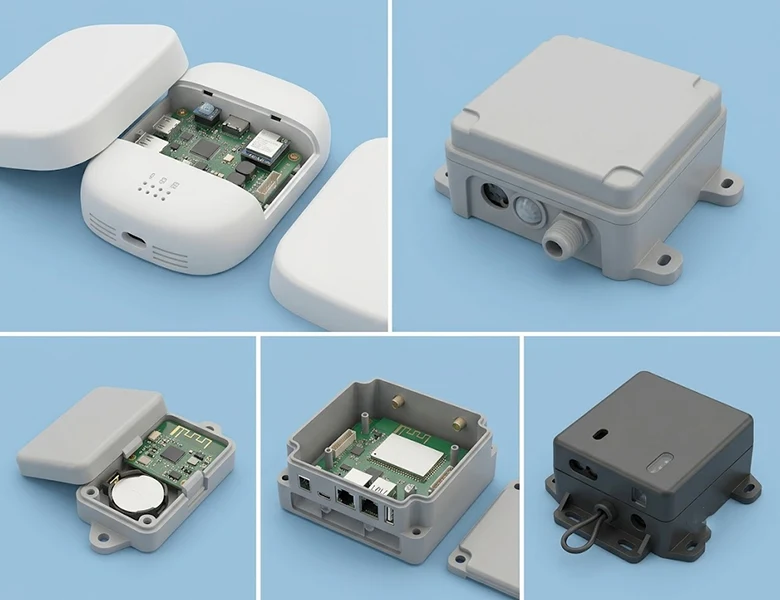
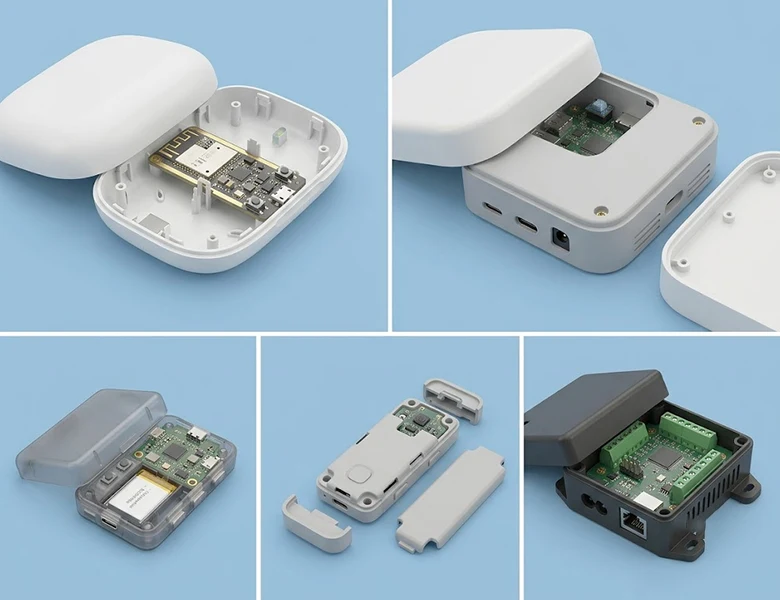
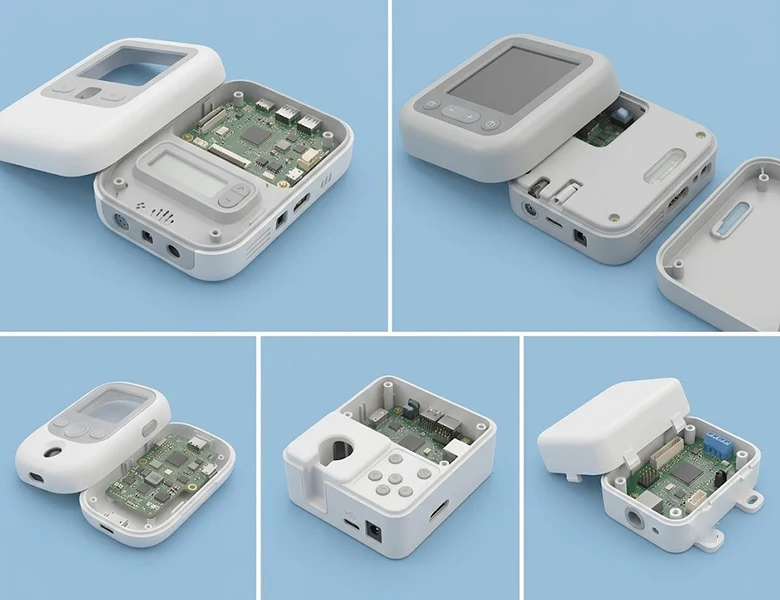
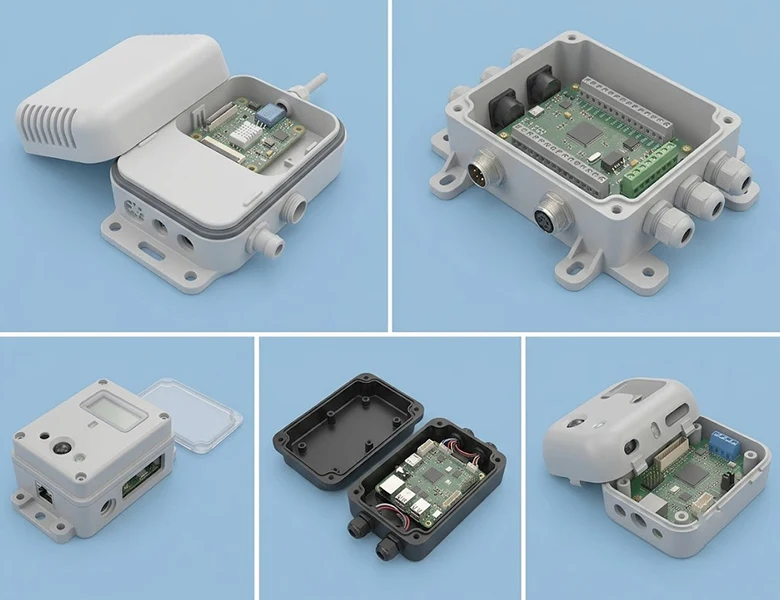
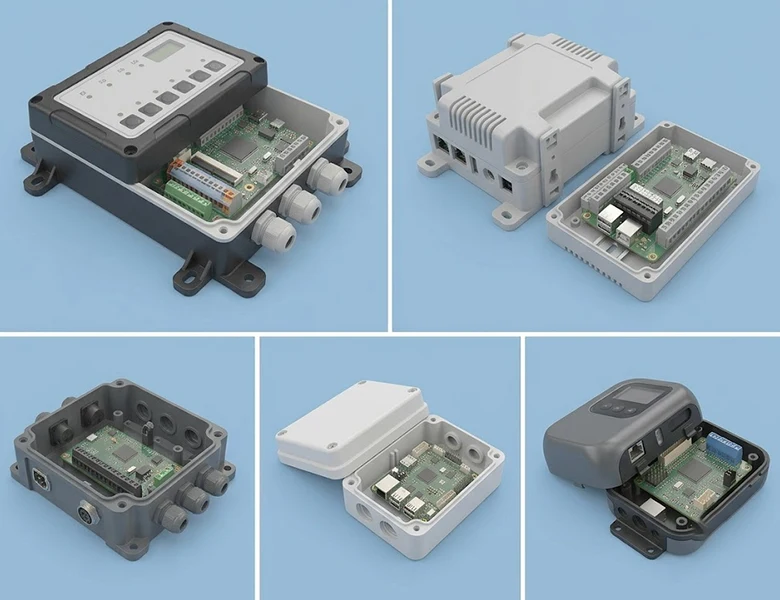
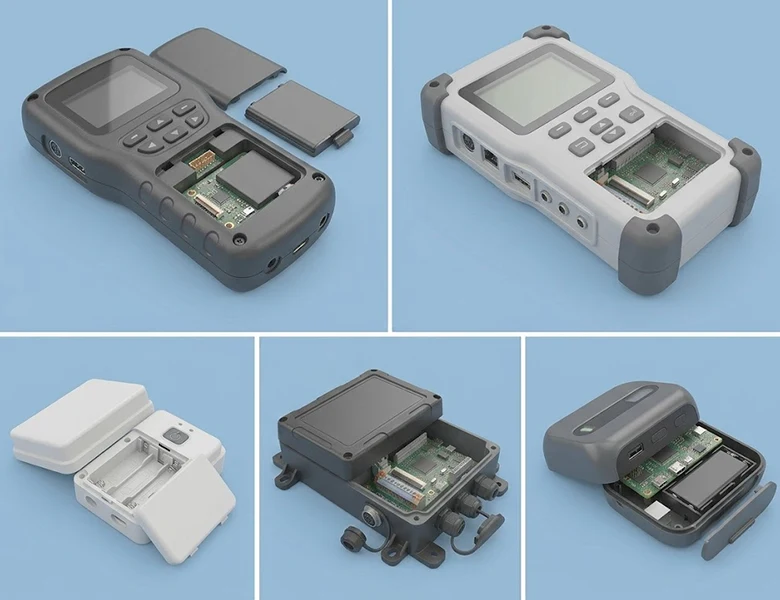
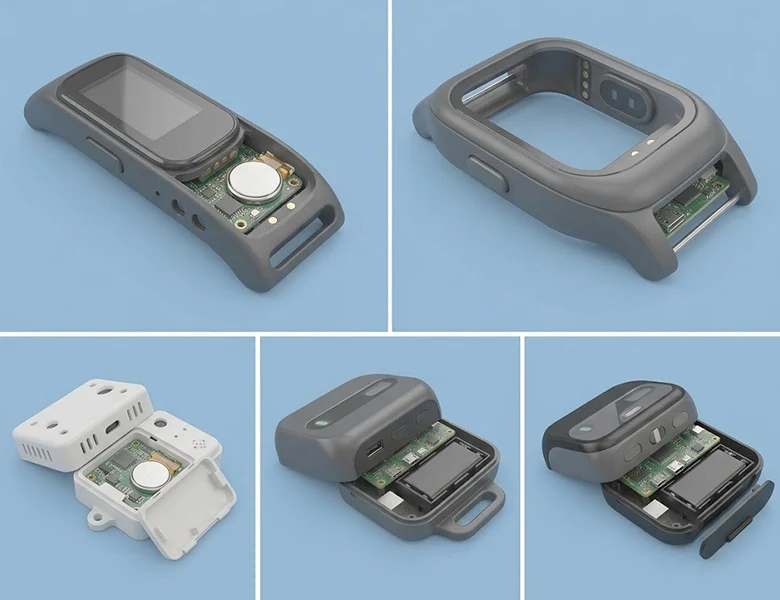
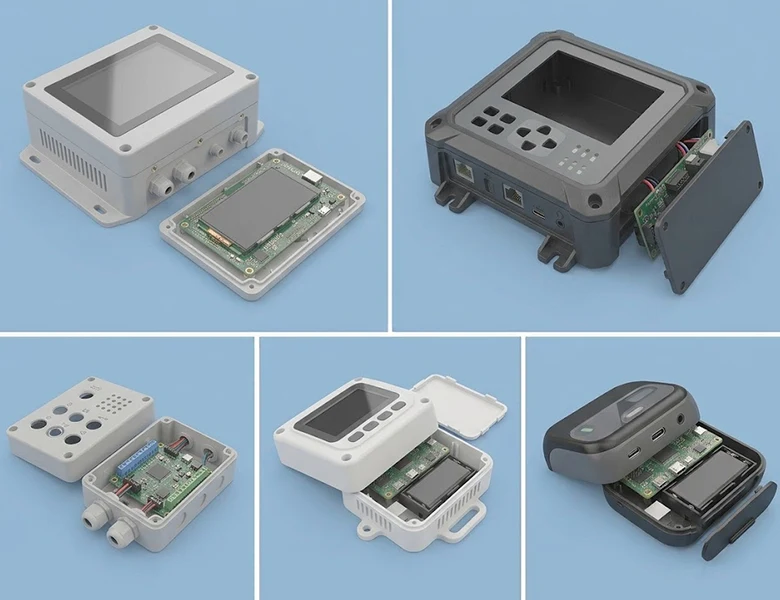
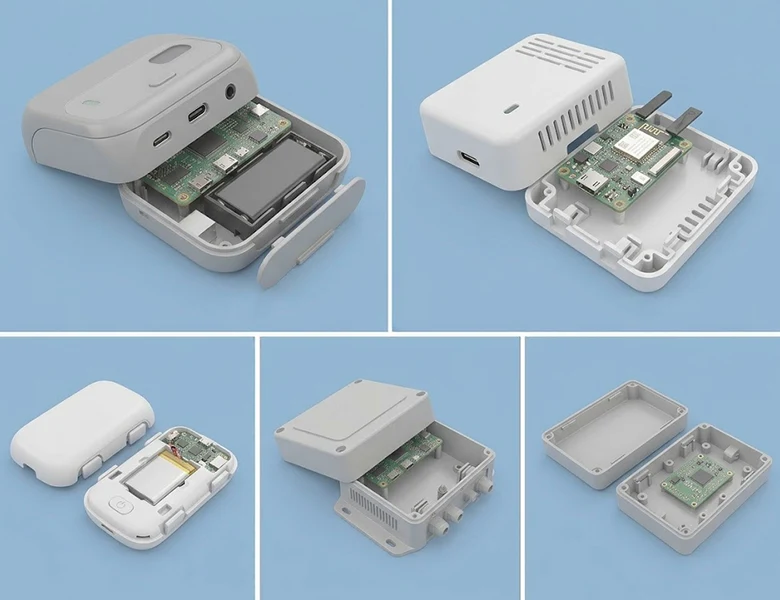
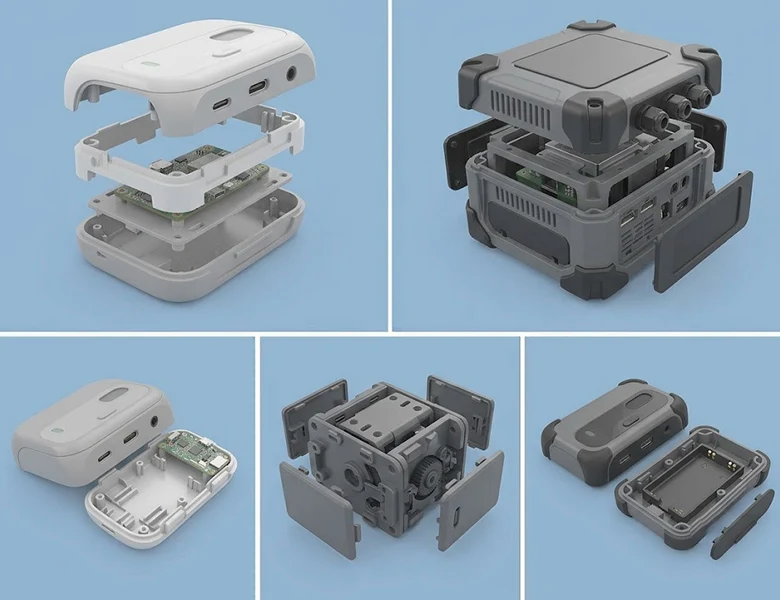
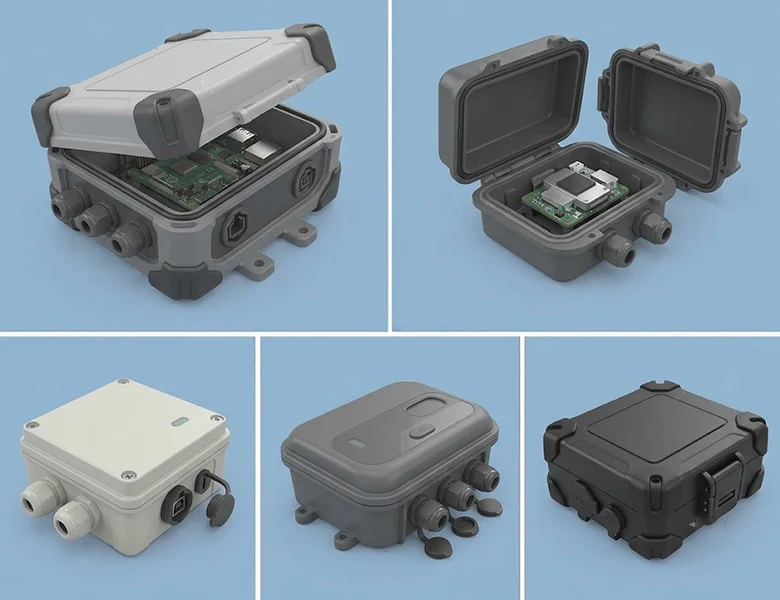
IP ratings define the level of dust and water protection a plastic enclosure provides. Selecting the right IP rating during prototyping helps teams design and test enclosures that meet the required protection standards before production.
IP54 : This rating protects the enclosure from limited dust and water splashes. It works well for indoor equipment and general electronic housings.
IP65 / IP66 : This rating provides full dust protection and resistance to water jets. They suit outdoor devices and products that may face regular cleaning or washdown.
IP67 : This rating keeps dust out and protects the enclosure during temporary water immersion. It fits outdoor sensors, control units, and field equipment.
IP68 : This rating supports protection during longer or deeper water immersion, based on the tested conditions. It suits products that need strong water protection, such as submersible equipment and connectors.
| Industry | Applications | Industry Value |
|---|---|---|
| Consumer Electronics | Smart devices and portable products | Faster design validation before mass production |
| Industrial Equipment | Housings and control enclosures | Improved equipment protection |
| Medical Devices | Diagnostic and monitoring equipment casings | Prototype enclosures for regulatory testing |
| Automotive | Interior and sensor housings | Durable, vibration-tested prototypes |
| Consumer Goods | Product casings and packaging components | Cosmetic and functional validation |
| Renewable Energy | Monitoring and control system housings | Durable, weather-resistant solutions |
| Research & Development | Prototype devices and test equipment | Custom one-off enclosures without tooling investment |
| Education | Learning kits and lab equipment casings | Affordable, fast development |

We choose suitable materials early to match prototype needs and expected production conditions.

We guide projects from concept through prototyping, DFM checks, and tooling preparation.

We design snap-fits, cable routing, and mounting features that simplify assembly, reduce fasteners, and support easy servicing.

We use SLA, SLS, CNC machining, vacuum casting, and injection molding methods.

We check wall thickness, draft angles, surface finish, and enclosure performance.

We provide clear updates and practical technical support throughout the development process.
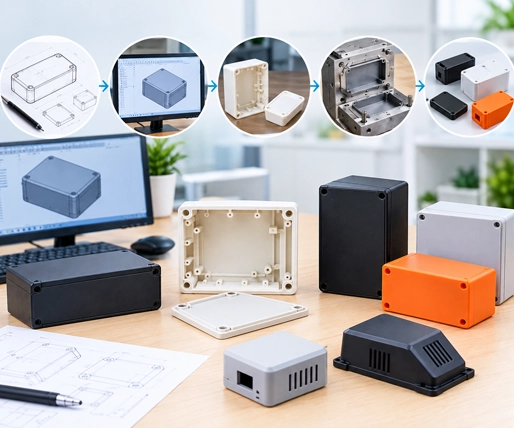
We review product goals, operating conditions, and enclosure needs before design.
We assess components, loads, and material options for suitable prototype development.
We develop enclosure concepts that balance function, protection, assembly, and manufacturing.
We create 3D models and prototypes for physical testing and review.
We check wall thickness, draft, and tolerances before final design approval.
We prepare mold-ready designs and support the move into injection molding.


Move your plastic enclosure design toward production with practical engineering and prototype support. Share your CAD file or product details, and Design Roots will create a prototype to check fit, assembly, material, and finish.
India continues to grow as a hub for product development across consumer, industrial, medical, and electronics sectors. Cities such as Bangalore, Chennai, Pune, Hyderabad, Mumbai, and Delhi NCR support growing manufacturing activity. As more products move toward injection molding, companies need prototypes that help check design, material, fit, and surface finish before investing in tooling.
As product development timelines shorten, companies across India are using 3D printing and vacuum casting to validate enclosure designs faster and reduce tooling investment before moving to injection molding. These methods can reduce tooling risks, limit mold changes, and support products such as PCB housings, IoT cases, sensor enclosures, and consumer devices.